

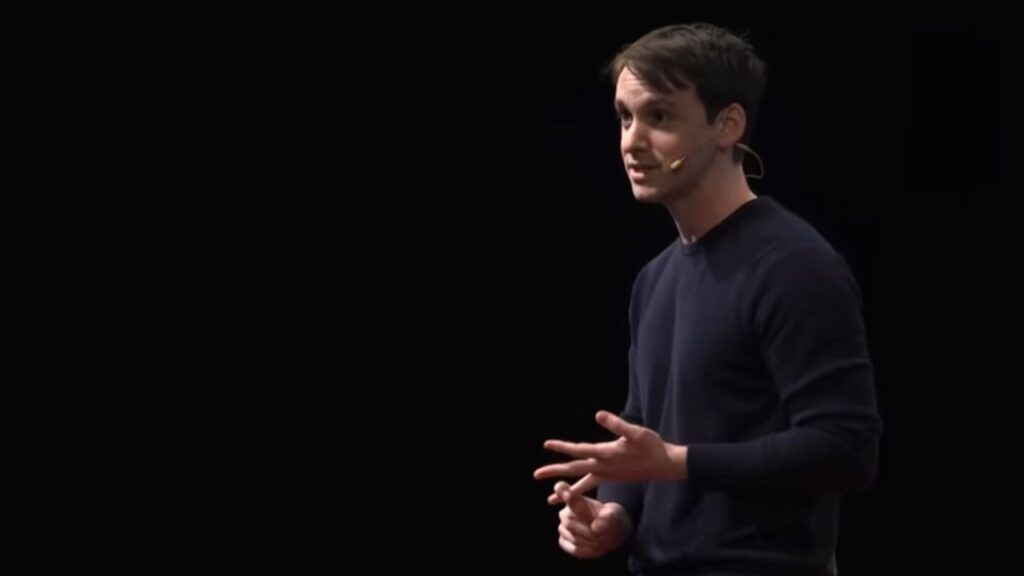
By analysing why people like what they like, Derek Thompson, author of Hit Makers: The Science of Popularity in an Age of Distraction and and contributor at The Atlantic, offers a framework that has become surprisingly relevant to modern real estate.
In his TEDx talk, he unpacks a simple four-letter code – MAYA, short for Most Advanced Yet Acceptable -that helps explain why some ideas, products and messages win people over while others fall flat.
For agents, who spend their days persuading, advising and guiding clients, Derek’s insights provide a fresh way to think about the art and science of influence.
Why Familiarity Still Wins
Derek begins with a striking contradiction: although we believe we crave the new, the unfamiliar often makes us uneasy.
The human brain leans towards the known, and this has deep implications for how agents present homes, discuss strategies and shape their personal brands.
“The mere exposure of any stimulus to you over time will bias you toward that stimulus. In English: familiarity good.”
Think about property marketing. Buyers want “a new listing”, yet they respond most strongly to homes that feel recognisable – layouts they understand, styles they’ve admired before, even branding from an agent they already trust.
This is why first impressions of agents matter so much.
Repeated exposure via letterbox drops, social media updates, street-side boards and local events helps create psychological comfort long before the client picks up the phone.
The crux of Derek’s argument is that successful selling sits in a space where something feels both comfortable and slightly unexpected.
This is where his acronym, MAYA, comes in.
He explains:
“To sell something familiar, you have to make it surprising. But to sell something surprising, you have to make it familiar.”
For agents, this balance appears everywhere:
Listing presentations:
New data, strategies or tools may excite you, but too much novelty can overwhelm a vendor. Ground new ideas in familiar concepts, such as using recent comparable sales or case studies your client recognises.
Property marketing:
A unique selling angle can stand out, but it should still fit within the buyer’s mental model of what they expect a home like this to be. A light twist can help, but don’t abandon elements that offer reassurance.
Agent branding:
Your personal brand can evolve, but dramatic shifts can unsettle your base. Incremental change, introduced in measured steps, helps your market adjust.
The science behind popular choices
One of the most useful parts of Derek’s talk is his explanation of how trends occur; not through manipulation, but through the human tendency to prefer items that feel both recognisable and lightly refreshed.
He illustrates this through fashion, baby names, and cultural cycles.
“People tend to prefer names that are familiar surprises.”
This applies readily to property preferences. Buyers and sellers want homes or agents that feel modern but not risky, proven but not stale.
Consider how often clients ask for:
- “modern but not too modern”
- “character but updated”
- “something with potential but move-in ready”
These seemingly contradictory requests reflect Derek’s core thesis: people are comforted by what they already understand, even while seeking a light twist.
How agents can use MAYA to persuade more effectively
Perhaps the most practical section for agents is Derek’s commentary on persuasion.
He suggests that when trying to influence, you must begin with the other person’s values, not your own.
As he puts it:
“It’s always more beneficial… to begin with the code of ethics of the person that we’re talking about.”
For real estate, this is a powerful reminder. If a vendor values control, emphasise transparency and regular updates.
If they value financial security, lead with risk mitigation and a measured campaign strategy.
If they care about community, highlight local buyers and neighbourhood engagement.
Too many agents begin with what matters to them – market knowledge, process efficiency, branding strength – rather than anchoring their message in the client’s worldview.
MAYA suggests reframing your pitch so clients recognise themselves in it.
Rethinking how we present homes
Derek shares a story about industrial designer Raymond Loewy, who shaped countless iconic products from locomotives to the Air Force One exterior.
Raymond believed people want “the very edge of the possible” without stepping too far into the unknown.
This idea has strong relevance to property styling and marketing.
A completely untouched home can feel dated. A fully renovated one may feel overly curated.
But a property with thoughtful updates, fresh paint, minor cosmetic enhancements, or staged spaces often strikes the right balance.
His insight resonates:
“The human preference is torn between the love of the new and the fear of the new.”
An agent’s role is to bridge that divide.
Buyers are saturated with information, trends shift quickly, and competition for attention intensifies each year.
Agents who rely purely on instinct or charisma risk falling behind.
Derek’s MAYA framework offers a way to frame strategies, conversations and branding so clients feel both reassured and engaged.
It aligns with how people actually make decisions—instinctively, emotionally, and often subconsciously.
In a business where trust can take months to form and moments to lose, that balance becomes a genuine strategic advantage.
Derek ends his talk with a story about Raymond’s final contribution to NASA: a simple viewing window on a space station, giving astronauts a glimpse back at Earth.
Even in the most unfamiliar environment imaginable, a touch of home mattered.
For agents, the lesson is simple: when introducing clients to something new, be it an idea, a strategy, or a property, ground it in something recognisable. That balance helps people move forward with confidence.

