
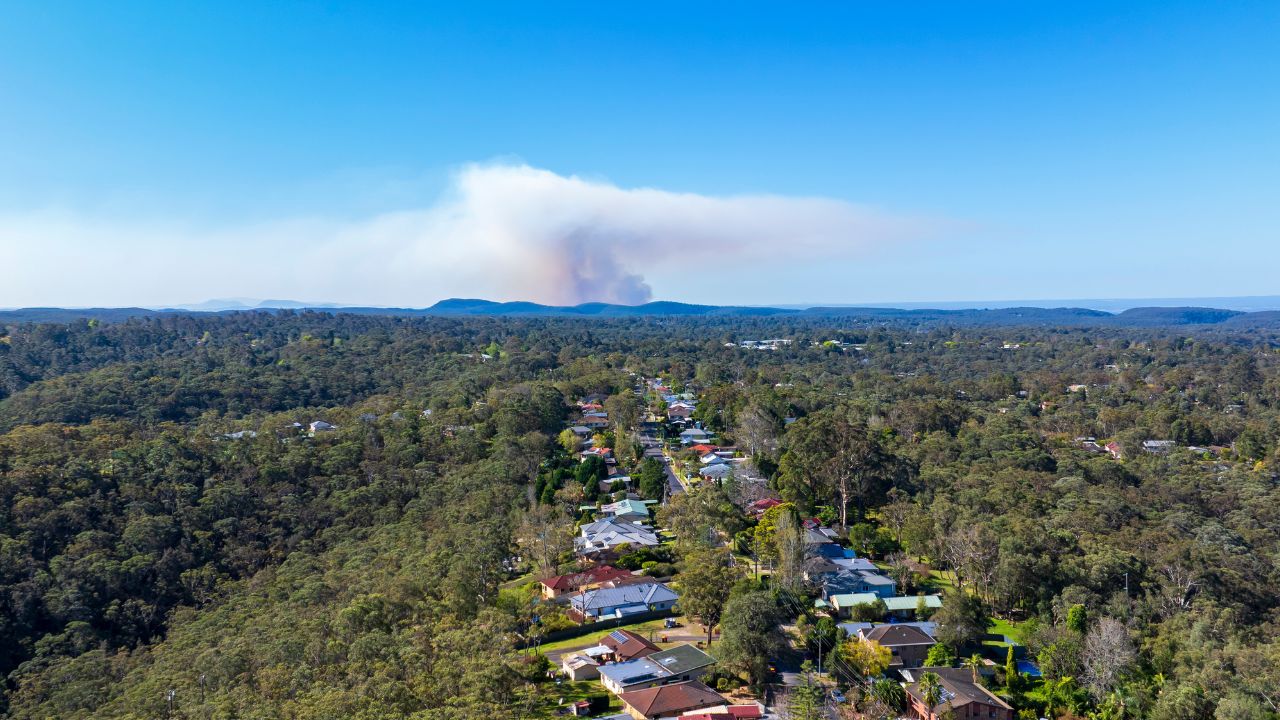
With summer on the horizon, landlords with regional properties need to stay one step ahead of Mother Nature.
From bushfires to storms, seasonal risks can catch even the most prepared property owners off guard.
EBM RentCover Managing Director Sharon Fox-Slater shares her top tips for insuring regional properties this summer.
From pastoral precincts to mining towns where workers need accommodation, to forests and coastal spots popular with tree- and sea-changers (not to mention holiday makers!), demand for rentals in regional areas is high.
Although the influx of people into regional areas sparked by the pandemic has eased somewhat (though the Regional Movers Index revealed 26 per cent more people moved to regional areas than those who headed for the city during the June quarter), landlords with property in regional areas continue to benefit from their investments.
Ray White’s Regional Outlook 2025 report notes that regional properties have outpaced the capital city markets over the past decade, recording almost 99 per cent house price growth compared to 85 per cent nationally, while Hotspotting research found regions in Queensland, SA and WA had delivered some of the nation’s best capital growth over the past five years.
Cotality’s Regional Market Update found regional rents continue to outpace the capitals – up 5.6 per cent annually versus 3.0 per cent in metro areas, and Domain’s September rent report notes houses in regional areas recorded the strongest yields.
While the risks facing landlords – like loss of rent, tenant-related damage, theft, vandalism, water damage, fire damage, and legal liability – remain constant regardless of the location of their rental, there is one risk that can be far higher for regional property owners than for their city counterparts – natural disasters and extreme weather events.
The simple fact is, many of the regional areas across the nation are exposed to greater extreme weather risks than built-up urban areas. While any property could be exposed to a natural disaster risk, the regions tend to have higher risks associated with bushfire, cyclones, floods, and drought.
And, with this exposure comes a need to make sure the rental is adequately protected.
Together with making sure a landlord insurance policy covers the key risks of renting and is appropriately matched to the type of property and how it is being let, it is also important to consider natural disaster and extreme weather risks — especially for properties located outside urban areas.
When taking out, renewing or switching landlord insurance cover, agents and owners of regional rentals should:
- Know the natural disaster/extreme weather risks associated with the area and those specific to the property. For example, the area may be prone to flooding, but the property itself may also be vulnerable to landslide risks.
- Understand which natural disasters/extreme weather risks are covered under the policy. Not all natural disasters are covered.
For example, most policies exclude cover for actions of the sea such as a tidal wave. Policies are also likely to exclude damage caused by extreme weather that occurs over time and is not the result of a single insured event (e.g. coastal erosion). Importantly, not all insurance policies cover flood damage. - Be aware of any cover restrictions. This could include matters such as embargoes and ‘no cover’ periods. There may also be restrictions on taking out cover for high-risk properties. Some insurers may provide a policy but specifically exclude cover for a particular high-risk event, such as flood.
Alternatively, some insurers, like EBM RentCover, may not offer a policy for a property at extreme risk – for us, that is a property with a flood rating of 14 or above. Properties with a rating of 14 or under are automatically covered for flood damage.
- Understand under what circumstances damage from natural disasters is covered by the policy – and when they are not.
For example, while bushfire is likely covered, some policies may not cover damage that was not caused by a flame, such as damage from smoke, soot, ash, scorching, melting or charring. - Be mindful of conditions of cover, such as the obligation to adequately maintain the premises (which includes any mitigation measures), and to act to prevent further loss.
- Be aware that risks can change over time and keep up to date with the current situation and the potential longer-term implications of climate change. For example, some local councils along the east coast recently revised their flood maps, changing the flood ratings of properties in some areas.
In some cases, the re-classification moved the property into extreme risk categories, impacting the availability and cost of insurance cover.
- Be sure to get the right type of cover for the property. Landlord insurance typically does not cover farmland, machinery or livestock, or risks associated with operating a business (or hobby farm) from the property, even if it is being leased.
With summer just days away, southern Australia is entering the height of bushfire season while northern Australia braces for cyclone conditions.
It is a timely reminder for agents to encourage landlord clients with properties in disaster-prone areas to get ahead of their preparations.
A good first step is calling on your trusty trades to complete some simple preventative maintenance.
Clearing gutters and drains, repairing leaks, checking roofs and seals, pruning overhanging branches, removing excess debris or combustible materials, directing water away from the home, securing outdoor structures, and ensuring smoke alarms and other fire-safety equipment are in working order can make a big difference in reducing risk.
Rentals in regional areas can be at a higher risk of natural disasters and extreme weather events, making having the right insurance a necessity for your landlord clients.
If you have any questions about cover for regional property, reach out to your EBM RentCover Relationship Manager. Not partnered with us? Let’s change that.


