
The Albanese Government has announced four major concessions to its proposed capital gains tax (CGT) reforms, backing down on several key measures following sustained pressure from small business groups, investors and industry stakeholders.
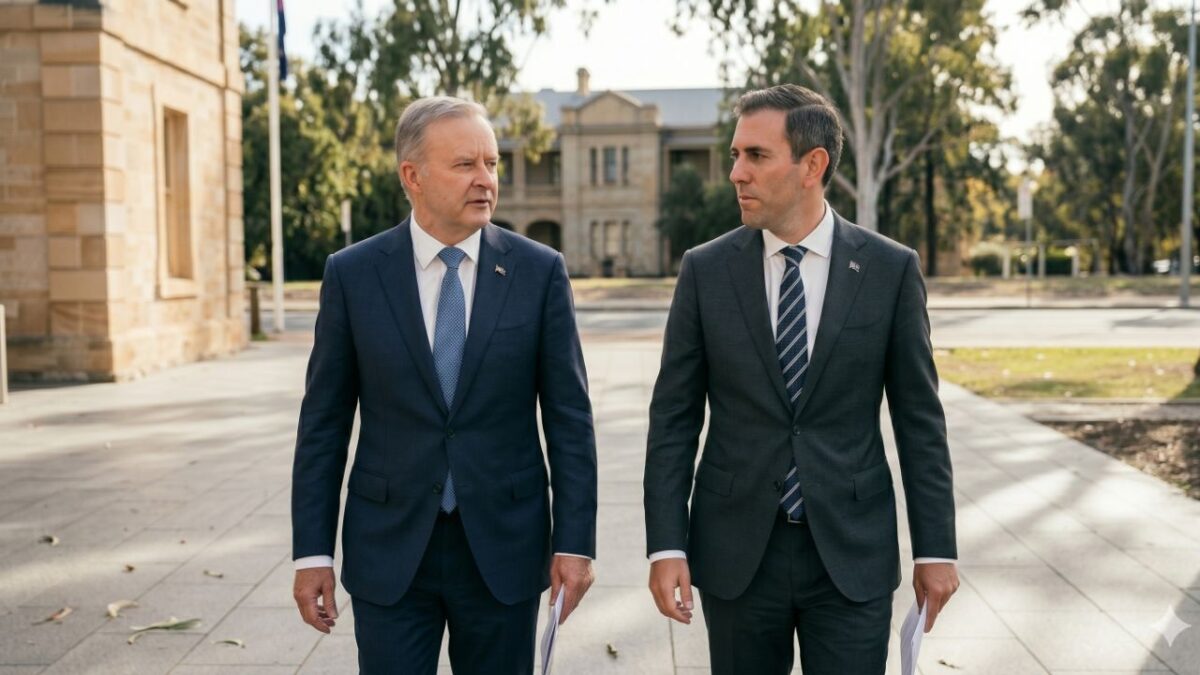
Prime Minister Anthony Albanese and Treasurer Jim Chalmers unveiled the changes at a press conference today describing them as refinements that “preserve the government’s broader tax reform” agenda while addressing legitimate concerns raised during consultation.
The biggest concession is a fivefold increase to the turnover threshold for the existing small business CGT concession, from $2 million to $10 million.
“Today, we’re announcing that we will increase the turnover threshold for existing small businesses from $2 million to $10 million,” Mr Albanese said.
“This is one of the four concessions we said would continue. It is the most widely used of those four CGT concessions used by small businesses in Australia.”
The Prime Minister said the higher threshold would make nearly three million active small businesses eligible for the concession.
The government also confirmed it will introduce a new tax concession for innovative start-ups after concerns the proposed move from the 50 per cent CGT discount to an inflation-indexed system could disadvantage founders with little or no cost base.
“We’re also proposing to introduce a new innovative business tax concession for start-ups,” Mr Albanese said, adding that a consultation paper would be released to allow further industry input before legislation is finalised.
A third concession exempts income from genuine testamentary trusts from the proposed 30 per cent minimum capital gains tax, addressing concerns the measure could operate as a de facto death tax for families managing inherited assets.
“We are also confirming that income from all types of testamentary trusts will be exempt from the minimum tax,” Treasurer Jim Chalmers said.
He said implementation details and integrity measures would be developed through a further consultation process before legislation is introduced.
The government also confirmed it will remove or significantly reduce proposed ministerial discretionary powers over aspects of the new tax regime, with key rules instead to be embedded directly in legislation to provide greater certainty for taxpayers.
The concessions are expected to reduce Budget revenue by approximately $475 million over the forward estimates.
Mr Chalmers said the changes reflected genuine feedback from affected sectors.
“There are legitimate issues when it comes to start-ups; there’s a legitimate conversation going on with the small business sector,” he said.
“We’re obviously aware of issues that people have raised with us around the eligibility for four existing concessions and carve outs in the small business system.”
Despite the concessions, the government confirmed it remains committed to the broader tax package announced in the 2026 Federal Budget, including replacing the current 50 per cent capital gains tax discount with an inflation-indexed model from July 1, 2027, introducing a 30 per cent minimum tax on real capital gains, and limiting negative gearing benefits for future purchases of existing residential investment properties while retaining incentives for new housing supply.
Master Builder’s CEO, Denita Wawn said that while there were some welcomed features in the announcements, the Federal Budget will still over four years reduce the number of new homes by 8,700, reduce the number of construction jobs by 3,800, and increase rents by up to $9 per week.

“Australia’s national housing crisis is no different as a result of today’s announcement. The tax hikes on housing, via changes to the capital gains tax discount and negative gearing on property are the same today as they were on Budget night.
“The changes sidestep our nation’s housing supply shortage which is causing so much consternation for both young and old Australians. The Government should have taken this opportunity to announce amendments that resulted in an increase in housing supply.”
The revised legislation is expected to be released for further consultation later this year before being introduced to Parliament.