
Updated 20 September 2026: first published on Elite Agent in April 2026. The article has been refreshed as an AI basics guide to turning a real sale into a useful case study.
“Play the long game.”
I’ve heard this phrase in real estate for years. It can be a hard sell when you have a target to meet this month. But one useful story about your work can give people something to read and share after the campaign itself is over.
That is part of the thinking behind Ailsa, our AI journalist at Elite Agent. Yes, I’m talking about our product. I’m also sharing the process, so you can try it yourself.
For a beginner, the exercise is simple: choose one sale, gather the facts and explain what you actually did. AI can help you organise the account. The experience has to come from you.

What makes a real estate case study worth reading?
Start with what we call the Portal Test. Remove the address, price, bedroom count and other facts someone could find in the listing. Is there still a story?
The interesting detail might be a preparation decision, a question buyers kept asking or an adjustment you made after early feedback. Explain what happened and why you chose that response. Avoid claiming that one action caused the final result unless you have evidence for that conclusion.
Sam Radal’s Quakers Hill story, Matilda Downard’s Australind campaign and John Castrisos’s North Bondi sale were examples in the original article. Read them for the decisions behind the result, not a formula every campaign should follow.
Prepare the facts and permissions
Before drafting, collect the result, dates, property details, campaign notes and any quotations you are authorised to use. Separate what you observed from what a client or buyer actually told you.
Do not invent dialogue to make the story livelier. A personal circumstance may be memorable, but that does not automatically make it appropriate to publish. Agree what can be shared before including it.
Give the headline, search title and description different jobs
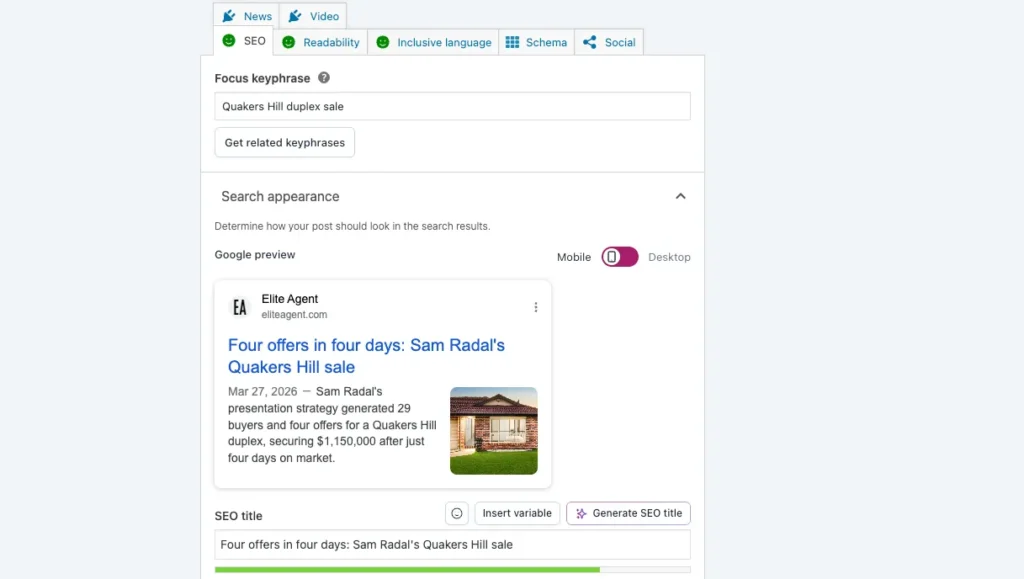
The headline introduces the story. The SEO title is a suggested title for search results. The meta description is a short summary that a search engine may use beneath it. The description is not a third title.
Use clear wording and specific, checked details. Keep the SEO title concise, including the agent and location where they fit naturally. Google’s title-link guidance explains that titles can be generated from several sources and may differ from the title you supply. There is no fixed character limit that guarantees how yours will display.
The original screenshot below shows part of our preparation workflow. An SEO tool’s green lights are editing feedback, not a promise of ranking.
Write a summary that works on its own
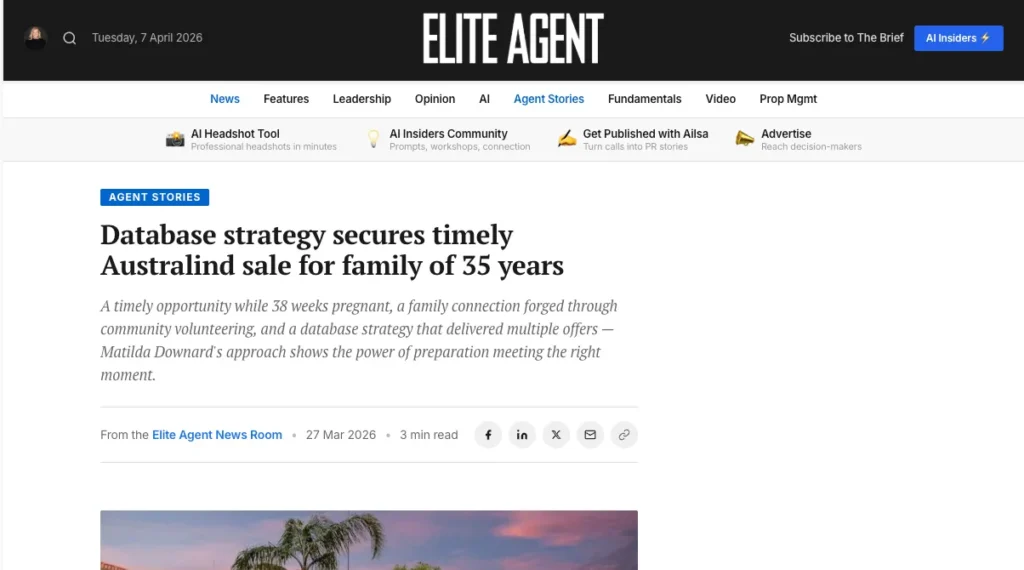
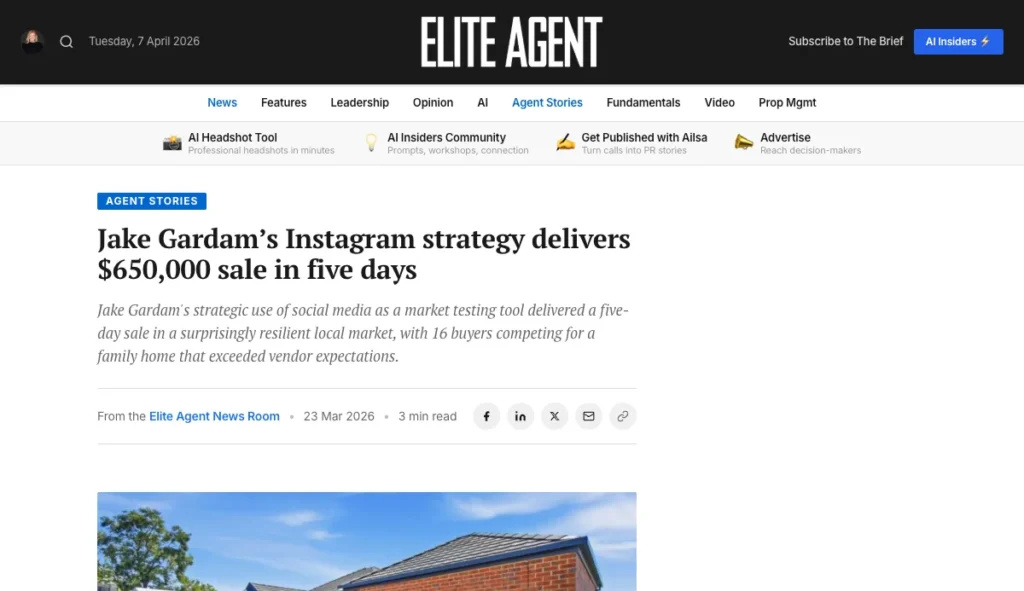
A standfirst should help someone understand the story quickly: who did what, where, when and what makes it worth reading. Include only the facts needed to tell that story, and only those you can publish.
These original examples show the idea in practice. A search engine may select page text for a snippet, but you cannot choose which paragraph it will show.
Try this case-study prompt
Help me turn one real estate sale into a useful case study.
Verified result, property facts and dates: [FACTS]
What I did and why: [NOTES]
What changed during the campaign: [NOTES]
Approved quotations and their sources: [QUOTES OR NONE]
Information I am authorised to publish: [BOUNDARIES]

Ask about missing facts first. Apply the Portal Test: identify what the story explains beyond the standard listing details.

Draft a clear opening summary and a short article with descriptive subheadings. Separate observations, reported comments and interpretation. Do not invent dialogue, buyer motives or a causal link between my actions and the result.

Suggest a headline, concise SEO title and specific meta description. Keep claims proportionate and do not promise rankings or future sales results.

Finish with facts, permissions and wording I must check before publication.
Help readers find the next step
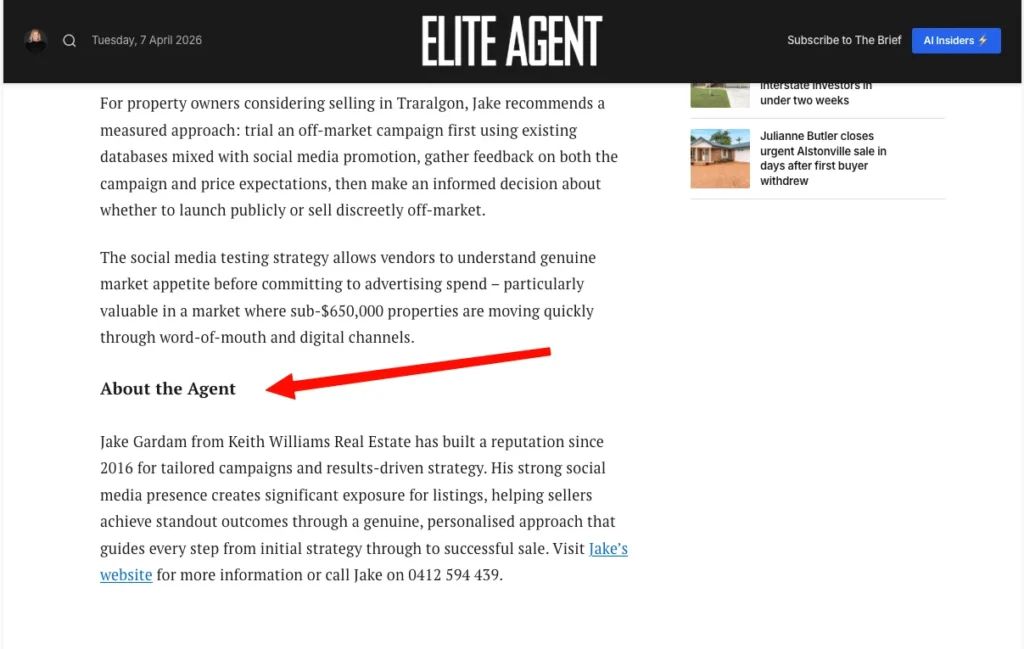
For a new page, choose a simple, descriptive URL. Avoid changing an established URL just to fit a keyword. Use subheadings that explain what happened in each part of the story, then add a short, accurate bio and a clear contact route.
The original bio example below illustrates that practical purpose: someone who wants to learn more should not have to hunt for the agent’s details.
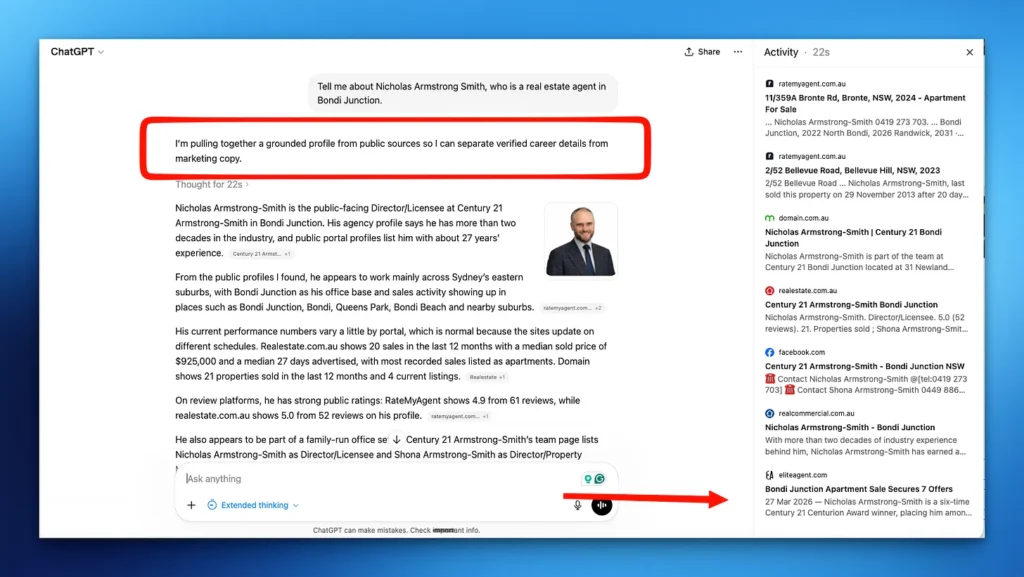
A collection of useful stories can give people more evidence of your experience. More pages alone do not guarantee more traffic or enquiries.
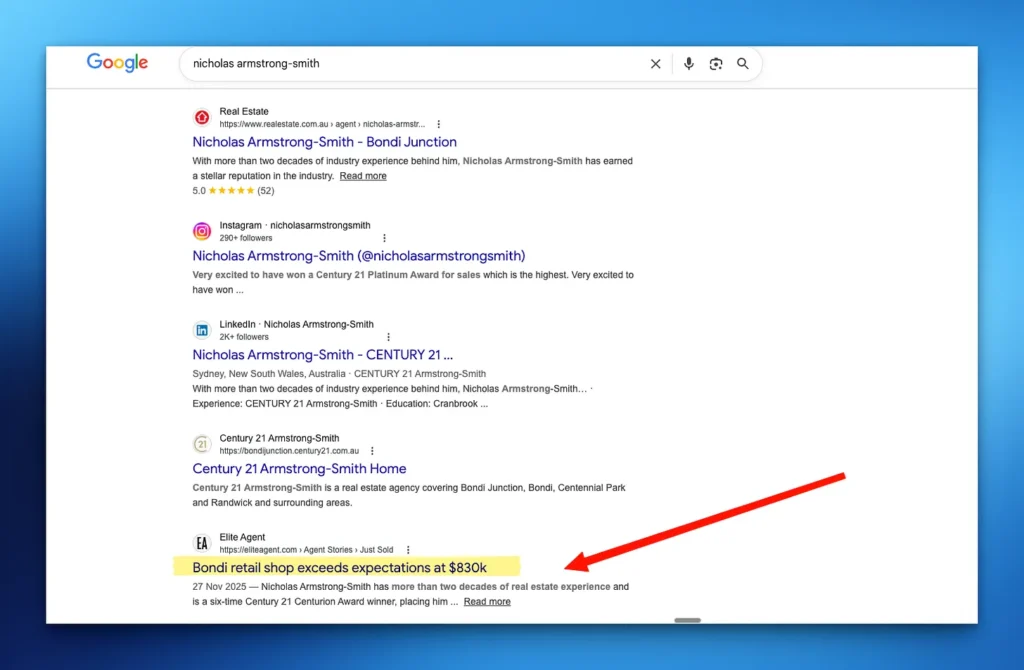
Likewise, the original AI-profile example below is one response at one point in time. It illustrates how published information may be used, rather than proving that a tool will find or recommend every featured agent.
Want help getting the story published?
Explore an Ailsa Sold Kit. Ailsa interviews and drafts, Elite Agent’s editors review the story, and you approve it before publication. You bring the experience and help make sure the facts are right.
For an agency approach, I’m also building Press Club: a workflow where AI interviews help capture your team’s stories and your own editors review and publish them under your brand. To discuss a pilot, email me with a little about your team and what you would like to publish.
Once you have a checked story, One sale, 9x the social proof explores how to put it to work in other formats.
The original version appeared on Samantha McLean’s Substack. Read the refreshed source article on AI Powered Real Estate by Samantha McLean on Substack.