
The global commercial real estate market is on track to nearly double over the next decade, growing from an estimated USD447.08 billion (approximately A$684 billion) in 2025 to USD702.99 billion (approximately A$1.08 trillion) by 2035, according to a new report from SNS Insider.
The forecast, which covers office, retail, industrial, multi-family, hospitality, healthcare and mixed-use assets, points to a 4.63 per cent compound annual growth rate through the decade – with the shape of that growth telling its own story about where capital and tenants are heading.
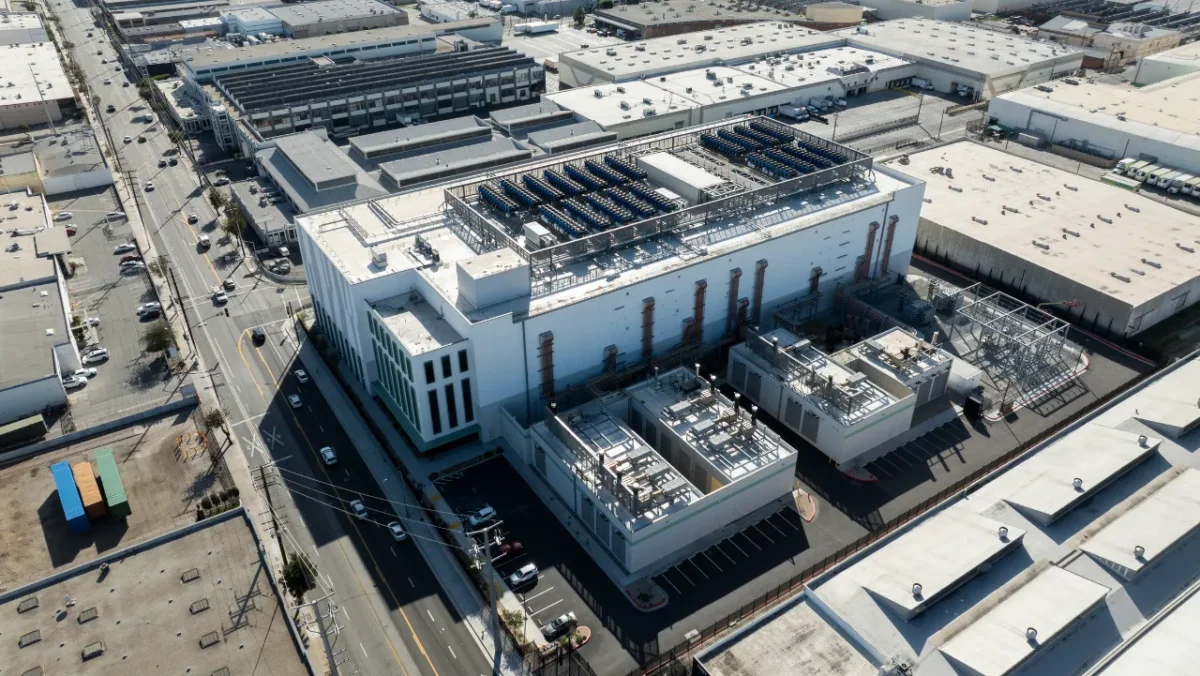
Data centres are the standout. The report cites AI and cloud infrastructure expansion as the driver behind strong demand for the sector, alongside green-certified buildings commanding premium rents as ESG adoption rises, and AI-powered proptech platforms improving how buildings are managed and experienced.
That last point is already playing out in real transactions. JLL acquired a 60 per cent stake in tenant experience platform HqO in November 2025, folding it into the property manager’s global infrastructure to sharpen building utilisation analytics and amenity management.
According to the report, the move reflects a broader recognition that tenant retention in a hybrid-work world increasingly depends on technology that builds loyalty to specific buildings, offsetting the reduced desk space per worker that hybrid models have created.
Retail landlords are adapting too. Simon Property Group invested in mixed-use redevelopment across several regional mall properties in 2025, converting underperforming department store anchor space into residential, hotel and entertainment uses – a diversification strategy the report says reduces the asset risk that comes with pure retail dependency.
On the industrial side, Prologis reported continued strong leasing demand and rent growth in key distribution markets in 2025, even as the sector works through elevated vacancy left over from the 2021–2022 pandemic-era overbuilding cycle.
E-commerce’s structural share of retail sales – 16.3 per cent in the US, and higher again in South Korea and China – remains the report’s most consistent demand driver for fulfilment centres, last-mile delivery stations and cold chain facilities.
Multi-family residential holds the largest share of the market by property type, prized for occupancy stability that holds up across economic cycles.
Hospitality is the fastest-growing segment, forecast at a 9.16 per cent growth as international tourism surpasses pre-2020 levels and operators like Marriott International roll out more personalised guest experience formats.
Regionally, Asia Pacific holds the largest share of the global market at roughly 39 per cent, with China accounting for close to 43 per cent of that regional total through its industrial and logistics clusters in the Pearl River and Yangtze River delta regions. Japan, South Korea, Australia and Singapore round out the region’s contributors.
North America is tipped to be the fastest-growing region over the decade, at projected growth of around 6.8 per cent, with the US market alone forecast to grow from USD138.20 billion (approximately A$211 billion) in 2025 to USD267.00 billion (approximately A$409 billion) by 2035.