

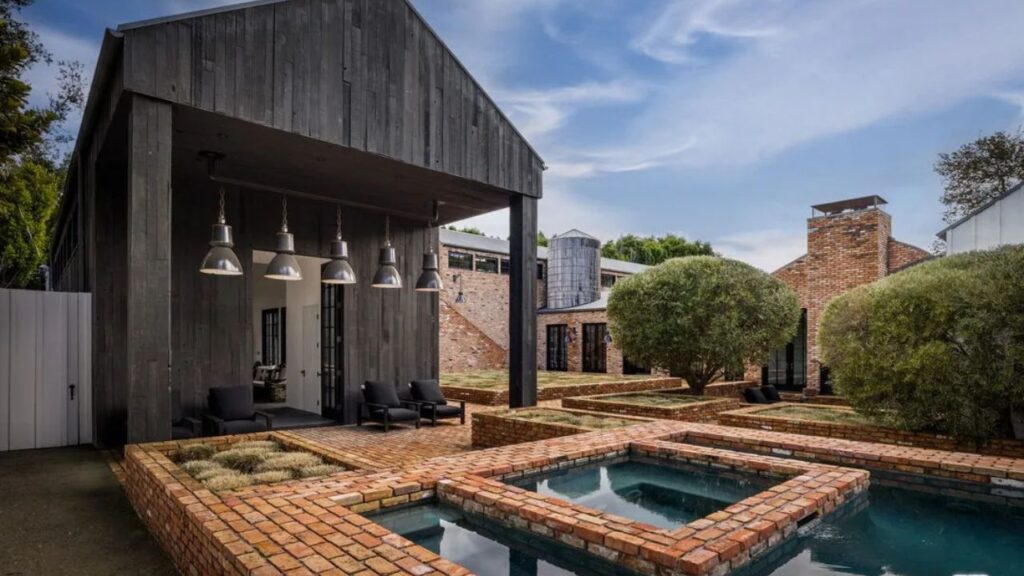
According to Realtor.com, the Sullivan Canyon property, which inspired Keaton’s acclaimed book “The House That Pinterest Built,” was initially listed in March 2025 for $28.9 million (AUD $44.5 million) before being quietly removed from the market just weeks before the actress died of primary bacterial pneumonia.
The listing describes the home as a “rare architectural masterpiece” that Keaton spent eight years transforming into “something truly special” through careful renovation and design work.
Nestled in the heart of prestigious Sullivan Canyon, one of L.A.’s most revered equestrian enclaves, the residence is not only grand but extremely private and eclectic.
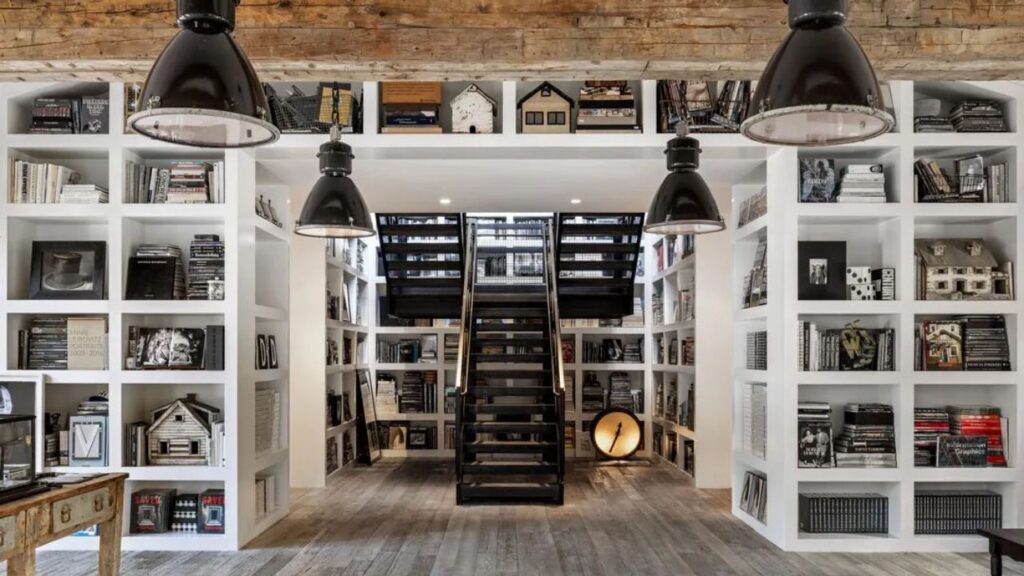
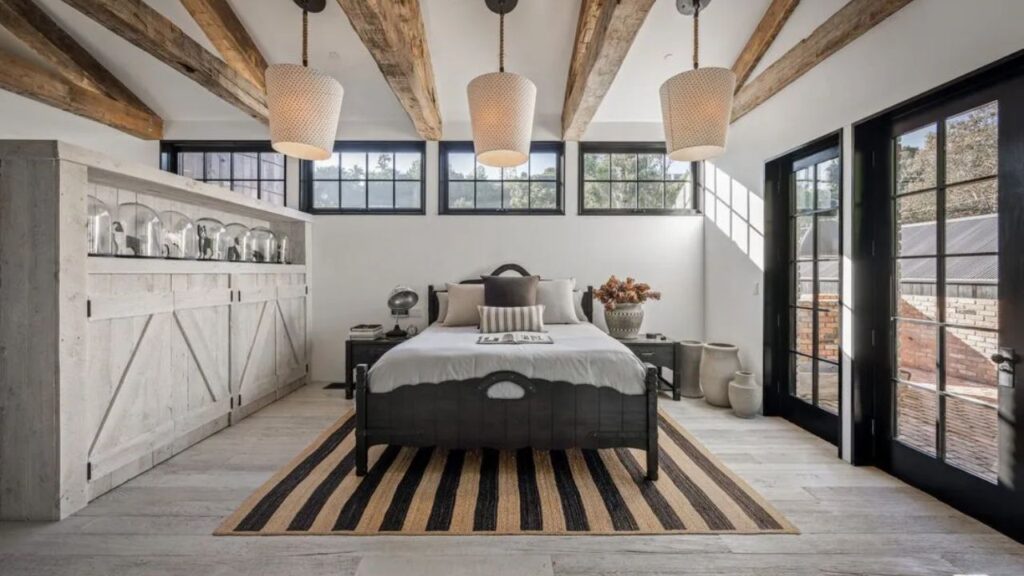
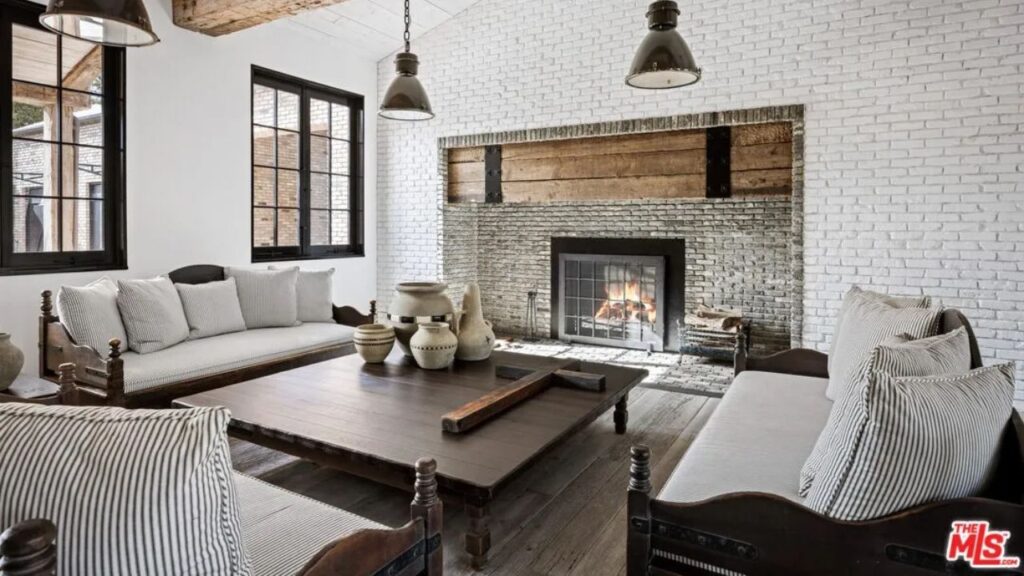
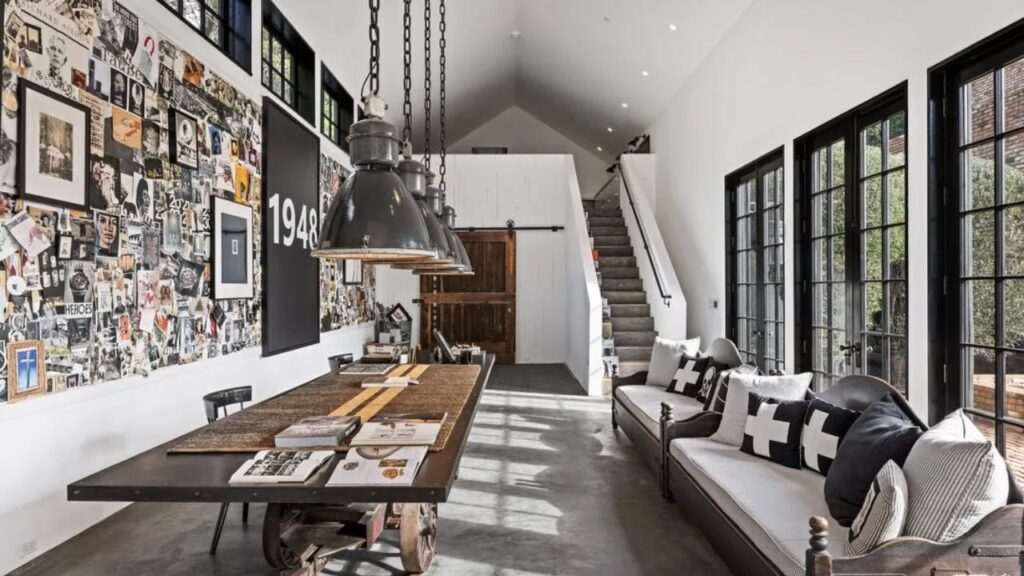
While maintaining a traditional red brick exterior, the interior showcases Keaton’s distinctive black-and-white aesthetic throughout most living spaces.
The five-bedroom, seven-bathroom property from the 1920s features thousands of hand-selected vintage Chicago bricks and reclaimed materials that define its character.
One of the home’s most unique features is a circular room with walls inscribed with Gerald Stern’s poem “Lucky Life,” while another wall bears the poignant quote: “Look, we don’t have that much time.”
Keaton documented her renovation journey in her 2017 book, which explored how the photo-sharing site Pinterest influenced her creative vision for the property.
The actress was introduced to Pinterest by her longtime collaborator, director Nancy Meyers.
Throughout her career, Keaton developed a passion for purchasing older homes, renovating them, and selling them.
However, this Sullivan Canyon residence held special significance for her.
The actress revealed that her purchase was inspired by her childhood love of “The Three Little Pigs,” which her mother read to her and which sparked her dream of living in a brick home.
Despite being located in Los Angeles, much of the design drew inspiration from her former New York City apartment in a 1930s beaux arts building.
Keaton’s real estate portfolio included several architectural treasures, including midcentury modern homes designed by Lloyd Wright, son of Frank Lloyd Wright.
After returning to the West Coast in the late 1980s, she purchased and restored the Samuel-Novarro house, designed by Wright in 1928, before selling it five years later.