

The Reserve Bank has kept the cash rate unchanged at its final meeting of the year, pointing to upside surprises in inflation and lingering uncertainty over how sustained the recent pickup in price pressures may be.
Underlying inflation has edged higher, and while some of the increase reflects temporary factors, the Board noted emerging signs of broader inflation momentum.
The Bank highlighted stronger private demand, firmer consumption and investment, and continued gains in housing activity as reasons for taking a more measured approach.
Labour market conditions remain “a little tight”, with unemployment hovering just above 4 per cent and unit labour costs still elevated.
Financial conditions have eased throughout the year, and credit remains available, though bond yields and money market rates have shifted higher in recent weeks.
The RBA said risks to inflation have now tilted to the upside, and it will need more time and data before assessing whether pressures are genuinely easing.
Even so, steady rates are providing a degree of certainty for buyers heading into the holidays, helping sustain enquiry levels and competition in key markets.
The Agency’s CEO of Real Estate Matt Lahood
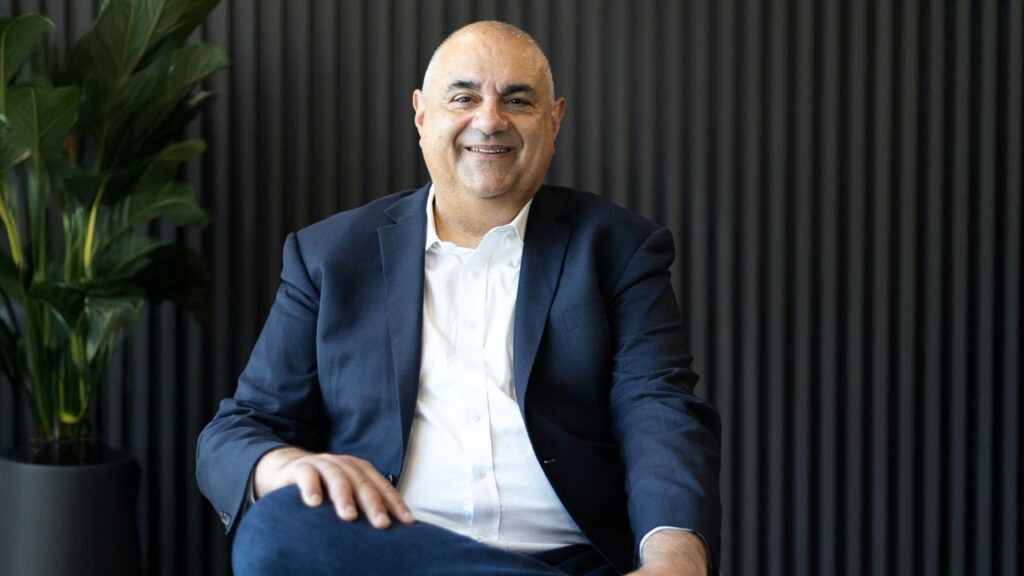
“Interest rates were kept on hold at the RBA’s December board meeting. This year we saw interest rates cut three times in February, May and August, each by 25 basis points, which sees the cash rate currently sitting at 3.60 per cent,” Mr Lahood said.
“The interest rate cuts saw increased consumer confidence and more homes for sale across the country, except for Perth, which remains the tightest market. We are expecting a strong start to 2026 with a lot of owners deciding to come on the market early in January.
“The RBA next meets on 3 February, and speculation based on economic data suggests that interest rates will rise during 2026, which will see volumes of property on the market continue to increase.”
Nerida Conisbee, Ray White Group Chief Economist

Ray White Group Chief Economist Nerida Conisbee said today’s decision reflects a central bank grappling with inflation that is proving far more persistent than anticipated.
“The Reserve Bank has held the cash rate steady today, maintaining a cautious stance as inflation continues to prove more persistent than expected,” Ms Conisbee said.
She noted that housing-related inflation remains the most stubborn element and the least responsive to higher interest rates.
“Rents remain high due to a lack of rental housing. Construction costs are easing only gradually as labour and materials constraints continue to affect new housing delivery. Utilities and insurance, which have been major contributors to household cost pressures, are driven largely by structural and regulatory factors, not consumer demand.”
This, she said, has created a policy paradox: higher rates help curb spending, but also restrict the construction pipeline and discourage new rental supply, reinforcing the very inflation the RBA hopes to tame.
“For households, today’s decision means mortgage repayments remain unchanged, but relief is not yet approaching. Rate cuts are still a possibility in 2026; however, expectations have shifted further out.”
Ms Conisbee said Australia’s population growth and entrenched supply shortages continue to place upward pressure on both rents and prices.
“Today’s hold reflects a central bank balancing slower demand against stubborn inflation, and emphasises that a longer period at current interest rate settings is now the most likely path.”
Dr Nicola Powell, Domain Chief of Research and Economics
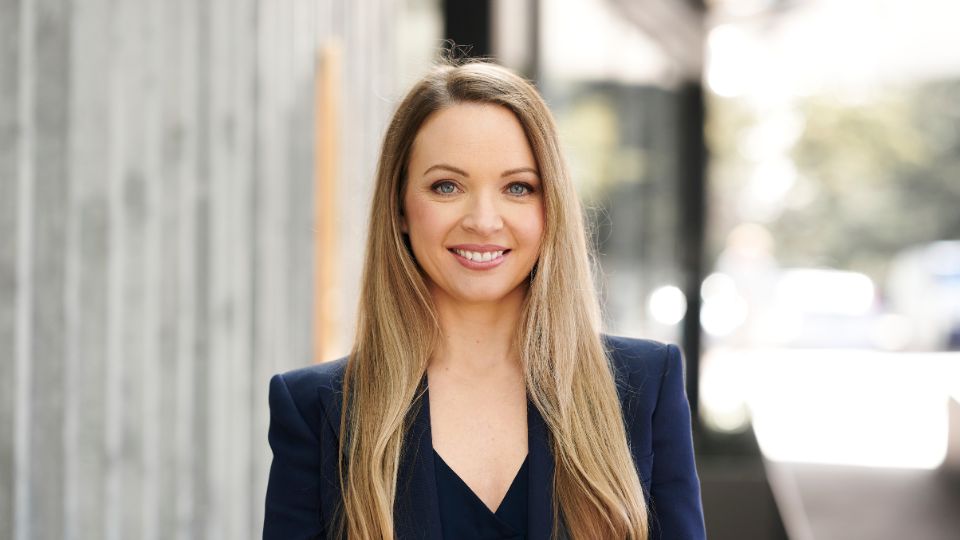
Domain’s Chief of Research and Economics, Dr Nicola Powell, said a rate hold was “firmly baked in”, with persistent inflation leaving no room for further cuts this year.
“A hold today is already baked in. The RBA is still battling persistent inflation, and with rents, energy and insurance costs remaining high, plus stronger-than-expected household spending, there’s simply no room for a fourth cut this year,” Dr Powell said.
She noted that markets have swung sharply, now pricing in the next move as a rate hike rather than a cut.
“What’s more interesting is how expectations have shifted. Financial markets see the next move as an increase, rather than a decrease, with a 25 basis-point hike largely priced in before the end of 2026.”
For the housing market, Dr Powell said stable rates bring both certainty and constraint.
“It gives buyers and sellers more certainty around borrowing costs and may help to take some heat out of the rapid price growth we’ve been seeing, especially at the more affordable end,” she said.
“But it doesn’t solve the deeper affordability issues. Mortgage holders are still managing repayments that are significantly higher than they were before the tightening cycle began in 2022.”
“As we’ve seen before, it could take just one weak data point to shift expectations all over again.”
Mathew Tiller, LJ Hooker Head of Research and Business Intelligence

LJ Hooker’s Head of Research and Business Intelligence, Mathew Tiller, said the RBA’s decision is unlikely to dampen buyer activity heading into 2026.
“Today’s announcement to leave the cash rate unchanged at 3.60 per cent gives borrowers certainty on repayments, which should keep confidence levels high,” Mr Tiller said.
“While many people would like a rate reduction to help household budgets, especially at this time of the year, the upside is that steady interest rates should keep buyer demand ticking over without lighting another rapid price surge.”
He expects more sellers to come to market next year, helping ease pressure on prices.
“A tight rental market and low levels of construction mean investors are likely to stay active as rents and dwelling values continue to grow.”
Mr Tiller noted that national dwelling values are poised to finish the year at least 8 per cent higher, supported earlier in 2025 by a run of rate cuts and persistently low listing volumes.
“People have time off work, they’re relaxed and have time to reassess their lifestyle, and that includes looking at property,” he said.
“There are often fewer competing properties in early January, so it can be a good time to test the market.”
Looking ahead, he expects buyer demand to remain elevated, even as more stock returns.
“It’s likely even with more homes coming on the market, prices will continue to rise — but at a more measured pace.”
Eleanor Creagh, REA Group Senior Economist

REA Group Senior Economist Eleanor Creagh said the RBA’s pause was widely expected, but the message remains the same: no cuts until inflation shows “clear evidence” of easing.
“With inflation currently stronger-than-anticipated, the Board remains on a watchful pause,” Ms Creagh said.
She noted that earlier rate reductions, totalling 75 basis points, helped lift borrowing power and confidence, fuelling this year’s reacceleration in home prices.
“National home prices rose 0.5% in November and are now 8.7% higher than a year ago, the fastest annual growth since mid-2022.”
Ms Creagh expects prices to remain supported through summer, though the pace is moderating as affordability tightens.
“With new supply constrained, population inflows strong and the Home Guarantee Scheme expanding, upward pressure on prices will persist. But with rates now expected to remain on hold for an extended period, affordability constraints are likely to see price growth moderate throughout 2026.”
Graham Cooke, Finder Head of Consumer Research

Finder’s monthly survey of 35 economists predicted today’s hold, but the outlook beyond that is sharply divided.
“Just a few months ago, another rate cut looked within reach. Now, we have the most divided panel I’ve seen in years,” Finder Head of Consumer Research Graham Cooke said.
“Nobody knows which way the RBA will go next.”
“Borrowers should tread carefully over the festive period. You don’t want to go into the New Year with a Christmas debt hangover, especially when your mortgage could be getting more expensive.”
Bond markets are currently pricing in a rate rise by November 2026, underscoring the uncertainty facing households.
David Koch, Economic Director, Compare the Market

Compare the Market’s Economic Director David Koch said Australians shouldn’t expect relief any time soon.
“Indications now are that interest rates will likely be on hold for the foreseeable future — maybe even all of next year,” Mr Koch said.
He warned that festive-season spending will be closely watched by the RBA.
“If consumables start to trend up and add momentum, the inflation rate could be a real worry. If inflation keeps accelerating month in, month out, the next move in interest rates could be up.”
Tim Lawless, Cotality’s Research Director

“The decision came after core inflation trended above the target range, reaching 3.3% over the 12 months to October.”
“Recent data flows have also pointed to robust economic conditions that warrant the steady cash rate decision.
“Labour market conditions remain tight with an unemployment rate of 4.3% in October, and some signs that private sector investment and household spending are becoming more supportive of economic growth emerged in the national accounts data.
“Housing market conditions remain a critical consideration for the RBA’s policy stance, even if housing values themselves are not in the RBA’s remit.
“The pace of credit growth, the level of household debt and the wealth effects of housing can all shape economic outcomes.
“Despite elevated interest rates (at 3.6%, the cash rate remains more than a percentage point above the pre-COVID decade average of 2.55%), housing values have shown a strong response to the 75 basis points of cuts delivered this year.
“Higher home values have been supported by a boost to borrowing capacity and sentiment, but also by persistently low supply levels against above-average levels of demand.”
Jacob Caine, REIA President

“Today’s pause does not ease the pressure on mortgage holders,” Mr Caine said.
“With inflation still high and the labour market tight, rate cuts are unlikely in the near term, meaning housing affordability pressures will continue into 2026.”
Most major banks expect the cash rate to hold steady through 2026, but Westpac is forecasting two cuts in May and August. The RBA has already decreased rates three times this year, and today’s rate decision has been widely expected by the market.
Mr Caine said positive supply-side measures, including planning reforms, social and affordable housing programs, and major build-to-rent projects, remain paramount in addressing housing affordability

