
According to a new analysis from Realtor.com, the real estate market is poised to move in a more “buyer-friendly” direction, creating what experts describe as the most balanced housing environment since the pandemic.
This shift means neither sellers nor buyers will likely have a significant advantage in negotiations.
Mortgage rates are projected to ease slightly to an average of 6.3 per cent in 2026, down from 2025’s average of 6.6 per cent.
This decrease in borrowing costs, combined with anticipated strong wage growth, is expected to encourage more buyers to enter the market.
Most of the cities where prices are forecast to drop are located in the Southeast and West regions of the country.
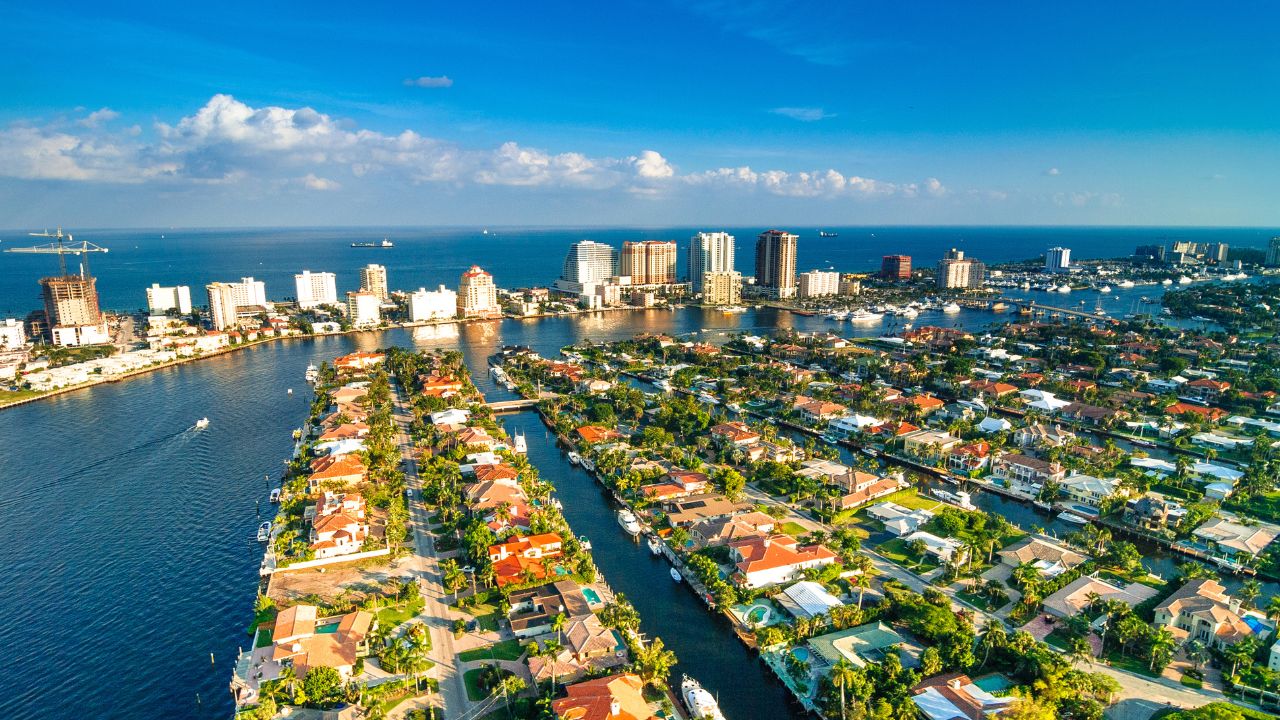
Florida appears particularly affected, with seven of the state’s eight largest cities projected to see price declines.
“2026 is going to be a year where we think the market is going to steady,” Jake Krimmel, a senior economist at Realtor.com, said.
“It’s going to show a lot of signs of getting back on track to what we consider to be normal.”
The Cape Coral-Fort Lauderdale metropolitan area is expected to experience the nation’s largest price decline, with homes dropping by 10.2 per cent.
This is followed by the North Port-Sarasota-Bradenton region in Florida, with an 8.9 per cent projected decrease.
Mr Krimmel explained that cities with projected price drops typically have expanding inventory, providing more choices for potential buyers.
Many of these areas also experienced significant demand during the pandemic-era real estate boom.
“These places, among others, saw a huge frenzy during the pandemic, so part of what we are projecting is that demand continuing to come back down to earth,” Mr Krimmel said.
The remaining 78 major cities are still expected to see price increases, though these gains will likely be modest.
The median price increase across these locations is projected to be around 4 per cent.
The shifting market conditions are expected to stimulate existing-home sales, which are forecast to increase by nearly 2 per cent to 4.13 million properties in 2026.
While this represents only a slight improvement from 2025’s projected 4.07 million sales, it marks a notable change after relatively flat transaction volumes throughout 2025.
Realtor.com developed these projections by analysing various factors across the 100 largest US cities, including inventory levels, new construction, price growth, wage and job growth, and unemployment rates.
“It’s going to be a year where we think the market is going to steady,” Mr Krimmel said.
“It’s going to show a lot of signs of getting back on track to what we consider to be normal.”

