
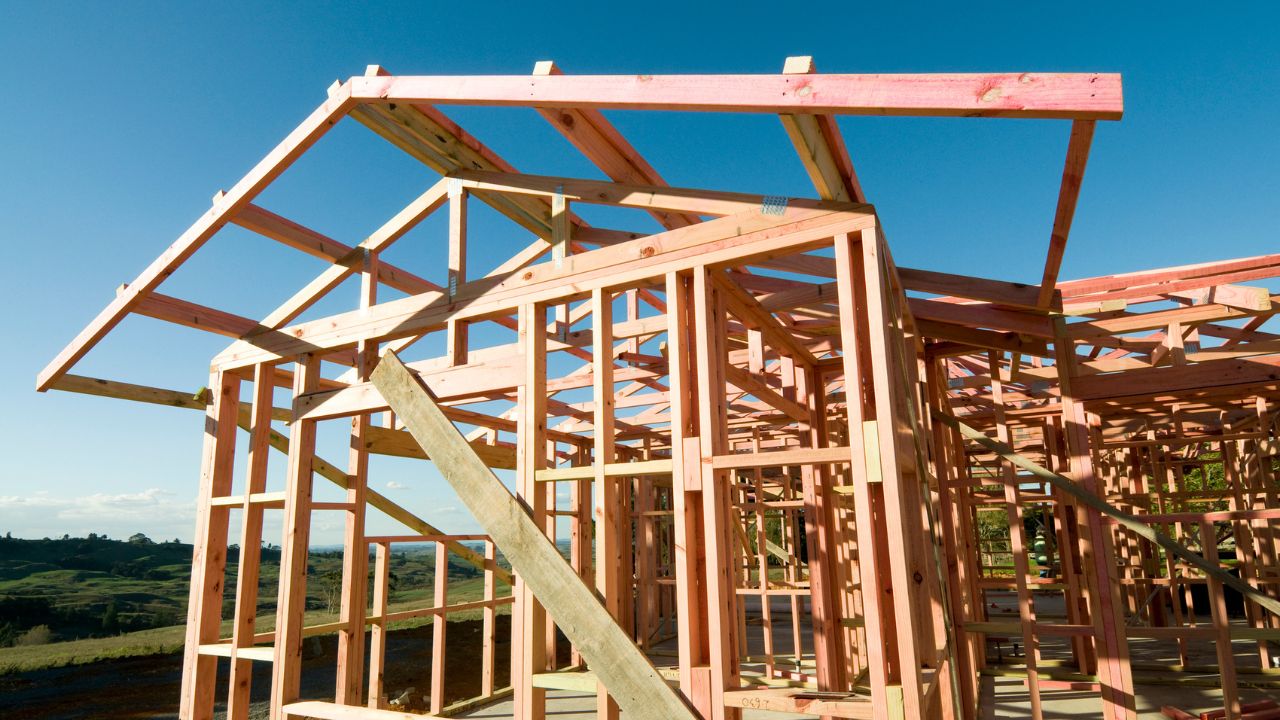
According to the Australian Bureau of Statistics data, total approvals dropped to 15,830 dwellings, with detached home approvals decreasing by 2.0 per cent and multi-unit approvals falling by 12.1 per cent for the month.
HIA Senior Economist Maurice Tapang said that despite the monthly decline, the overall trend remains positive.
“Despite the monthly decline in approvals, this brought the volume of new housing approvals in the 12 months to October 2025 to 192,100, which remains 12.6 per cent higher compared to the previous year,” Mr Tapang said.
The decline was particularly pronounced in Australia’s largest states, with New South Wales and Victoria experiencing monthly drops of 20.6 per cent and 24.7 per cent, respectively.
Meanwhile, Western Australia led the country with a 28.1 per cent increase in approvals compared to September, followed by South Australia with an 11.2 per cent rise and Queensland with a more modest 2.4 per cent growth.
Tasmania recorded a 15.0 per cent decline, while the territories showed improvement with the Northern Territory seeing a 7.5 per cent increase and the Australian Capital Territory experiencing a dramatic 634.1 per cent rise, though this came after extremely low volumes in the previous month.
Recent interest rate cuts appear to be stimulating the housing construction market as buyers look for alternatives to increasingly expensive established homes.
“Interest rate cuts have provided the confidence boost for home-buying activity. Households are increasingly turning to new home building as an alternative,” Mr Tapang said.
The data reveals a geographic divide in housing construction activity. Detached housing approvals continued their upward trajectory in Queensland, South Australia and Western Australia over the past year, while New South Wales and Victoria appear to be at the bottom of their cycles.
Mr Tapang highlighted that these larger markets have been slower to respond compared to mid-sized states, where approvals had already been increasing before the recent cash rate reductions.
Despite the overall positive yearly figures, significant challenges remain in meeting the federal government’s ambitious housing targets.
Land availability and development costs continue to be major obstacles to increasing housing supply.
“The biggest challenge in driving these home building volumes towards the government’s 1.2 million homes target continues to be the price of shovel-ready land,” Mr Tapang said.
The housing industry is calling for policy reforms to address these barriers and improve affordability.
“In order to increase the supply of homes in Australia and improve housing affordability, governments need to remove the additional costs imposed on land development and new home building,” Mr Tapang said.

