
The real estate industry is under pressure from every direction at once. Technology and AI are reshaping how business is done. Anti-money laundering compliance is tightening. Consumer expectations around transparency and professionalism are rising faster than the industry is meeting them. And cost of living is squeezing the small business owners who make up much of its backbone.
Thomas McGlynn has been watching all of it … and he’s decided he can no longer influence it from inside one business.
“Standards rise whether or not you participate,” he says. “Leadership in any industry is generally its biggest problem, but it’s also its biggest solution.”
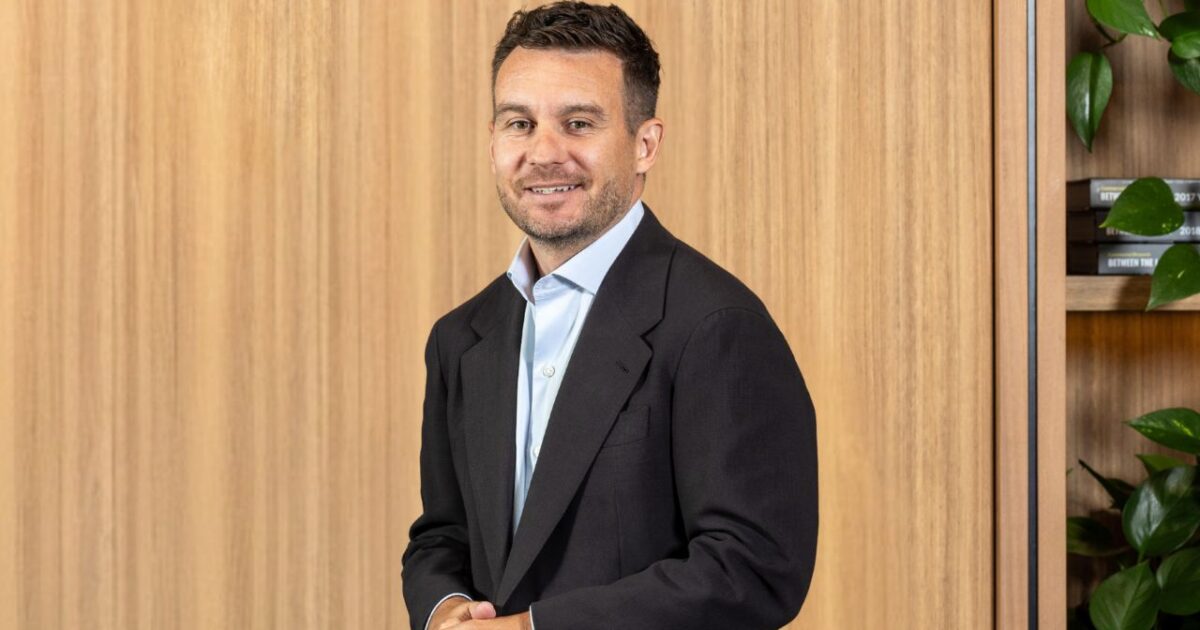
After six years as CEO and Partner of BresicWhitney, one of Sydney’s most admired independent real estate businesses, Thomas has stepped into a newly created national role at Ray White as CEO of Performance and Value.
His mandate is to lift leadership capability and performance standards across a network of more than 13,000 members in Australia and New Zealand.
“You’ve got technology and AI coming in. You have greater compliance through AML and through industry regulation. You have a greater focus on transparency and consumer sentiment around how real estate agents conduct themselves,” he says.
“And because of that, you have a growing voice for standards to rise.”
He’s well placed to read those signals – as President of the Real Estate Institute of NSW and a board member of the REIA, he has spent years building relationships across every state and territory in Australia.
He has seen the gaps between what consumers expect and what the industry delivers. So, has industry focused too heavily on performance metrics at the expense of people? He doesn’t reach for a diplomatic cover in his answer.
“Doing the right thing, acting with transparency and having a long-term view on how your relationship is with customers is good business practice. It’s good for the bottom line. It’s good for profit. And I do think the industry at times has lost sight of that,” he says.
“That doesn’t mean that high performance is not linked to transparency and high standards. It is. Those that have been doing it well for decades have proven that.”
The new role
The position Thomas is stepping into is deliberately broad. Working across the Ray White network at both corporate and principal level, he will focus on lifting performance, strengthening leadership and driving long-term growth. It’s a big remit and he’s not pretending otherwise.
“My role is to work with all of the leaders across the network in helping drive performance, grow the business, and add value to all of the members.”
For a network of more than 13,000 members, the leverage that kind of role provides is significant and Thomas knows it.
“Over the course of my career, one thing has become clear: leadership is the defining difference between good businesses and great ones. When you lift leadership capability across a network of this scale, the impact goes far beyond one business. It shapes thousands of careers and helps define where the industry goes next.”
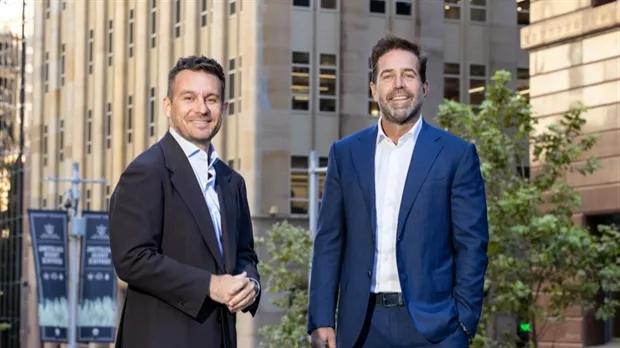
In statement announcing his new position, Ray White Group Managing Director Dan White explained why Thomas was fit for the role: “He thinks deeply about leadership, professional standards and what it takes to build a great business. These things are fundamental to our ambition and value offering to our members.”
The relationship between Thomas and the White family is not a new one. He jokes that Ray White agents were trying to recruit him when he was 19 years old, visiting a Sunshine Coast property, but the conversations about this particular move have been building for the better part of a year.
Driving on the ‘wrong side of the road’
There’s a practical reality to this transition that Thomas acknowledges – moving from running a high-performing Sydney business to a national role within Ray White is fundamentally different work.
“It does feel like I’ve moved countries and I’m driving on the wrong side of the road for a little bit,” he laughs.
It will be a slightly different relationship with the customer, one step removed and more focused on enabling others to serve them well. He’s made peace with that by reframing what influence looks like at scale.
“Although I’m probably not as connected directly to the consumer as what I once was, I’m still going to be able to influence the way that consumers are treated. I’m going to have a greater impact on professionalism and raising standards.”
The national role will also require significant travel across Australia and New Zealand, marking a clear shift from his previous Sydney-based position. His wife, Anji, was central to the discussions throughout the decision-making process, as the couple weighed up the demands of the role and what it would mean for their family life.
“If I’ve got a really big goal or a big challenge ahead of me, that’s always something that keeps me focused. I had to really discuss it with Anji, my wife, and think about what it means for us. It keeps me focused and keeps me being a good human being in all areas of my life.”
What’s most interesting perhaps about Thomas’s account of this decision is the internal process behind it. The final call didn’t come from a better offer or a push factor, he says it came from months of deliberate self-examination.
“I’ve really tried to hone back into my own values – the belief that I have in myself, what my purpose is, who am I doing things for? In the last three months, I really honed in on that … and that helped me make the final decision in the end.
“Self-leadership is really important, and not many people talk about that.”
For all the forward momentum, Thomas is disarmingly honest about the cost of this decision to leave his position as CEO of BresicWhitney. It was six years of culture-building, talent development and deep personal investment in the people around him.
“Privately, I have shed a lot of tears. I’m okay with showing that sort of vulnerability. It has been really emotional. A lot of people see these things as simply business, but it’s not for me – and that’s not the leader that I am, and not the leader that I strive to be.”
He says he leaves the business in good hands, that he was a custodian rather than an owner, that his departure creates opportunities for others to step up. But he’s not reaching for easy comfort.
What got him through it, in the end, was a simple question he kept coming back to.
“In five years’ time, if I did not do that, would I be thinking ‘what if’? I truly believe I would have constantly thought about that.”
For someone who has spent two decades telling others that leadership is the defining difference between good and great, staying put while the industry reached a turning point would have been hard to live with.