
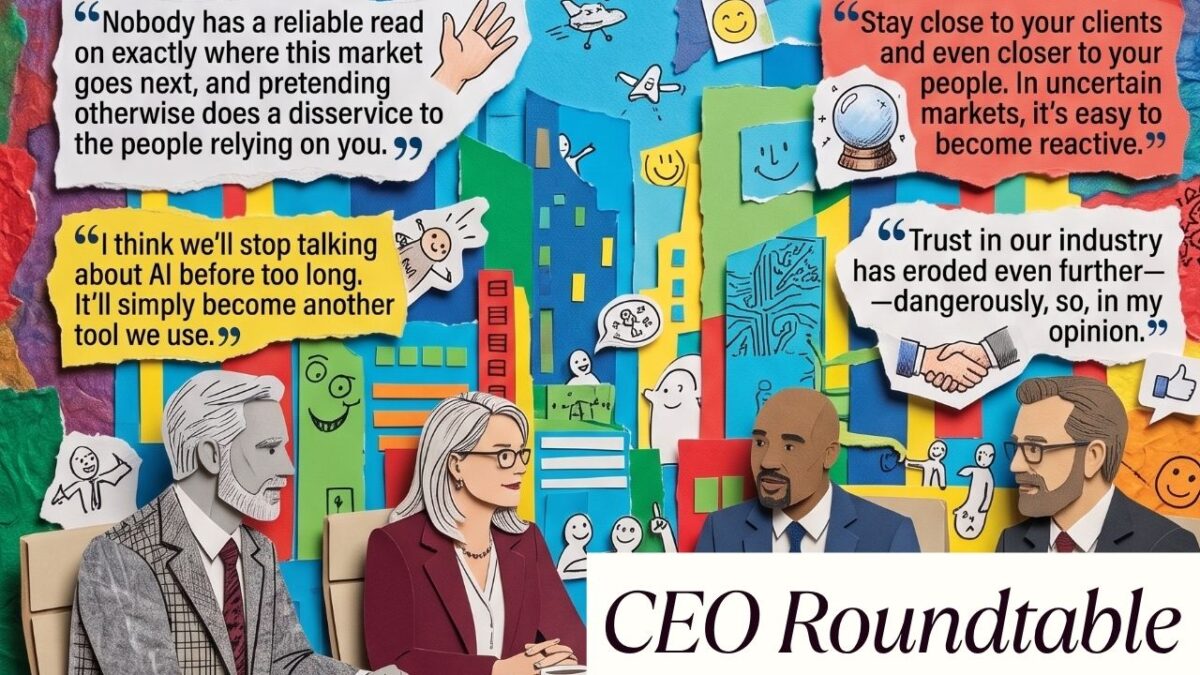
Australia’s real estate landscape is undergoing its most profound strategic pivot in a decade.
As the market transitions away from cyclical extremes, agency leaders face a multi-front shift: evolving tax and compliance mandates, a discerning consumer base demanding total operational transparency, and the rapid rise of practical artificial intelligence.
In this exclusive editorial roundup, CEOs and chief executives across premier agency networks, corporate groups, and market-leading independent brokerages break down how they are protecting margins, adapting back-office technologies, and earning long-term trust in today’s changing property environment.
It’s clear, real estate has entered a period where the rules of success are being rewritten.
The easy wins of rising markets have given way to a landscape demanding stronger leadership, sharper systems and a renewed focus on trust, service and adaptability.
Across the industry, CEOs are confronting the same fundamental questions: How do businesses stay competitive when consumer expectations are rising? How can technology, particularly AI, improve productivity without replacing the human connection at the heart of real estate? And how do leaders build resilient businesses when economic uncertainty and regulatory change continue to reshape the playing field?
From major franchise groups to independent agencies, Australia’s real estate leaders are responding in different ways — investing in technology, strengthening culture, improving data capability and doubling down on the fundamentals that separate high-performing businesses from the rest.
In this CEO Round Up, industry leaders share the biggest shifts they are seeing, the opportunities they believe others are missing, and the advice they would give businesses navigating the next phase of the property cycle.
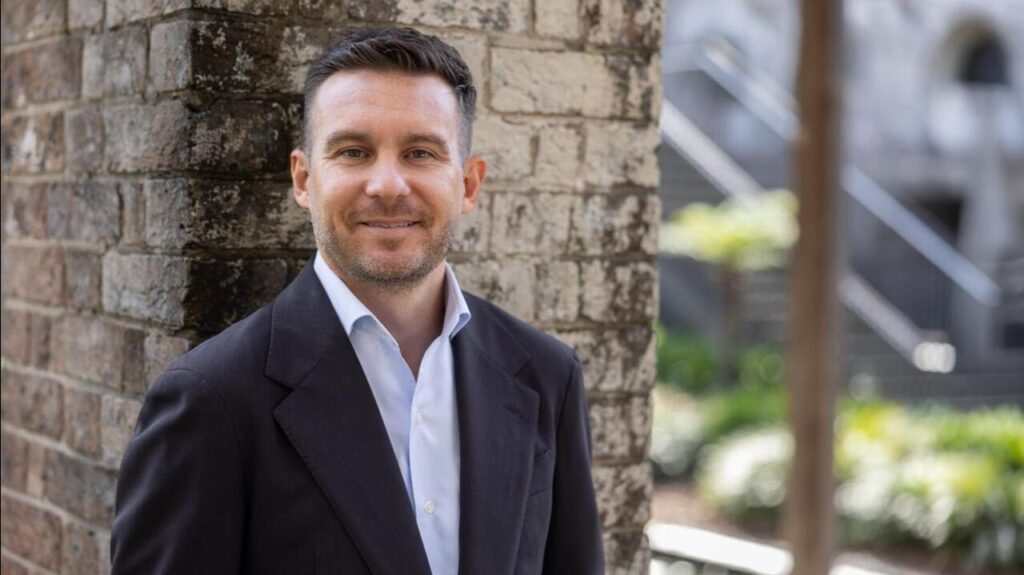
Ray White: Thomas McGlynn, CEO Performance and Value
A third-generation agent who started at 18 and held senior roles at McGrath, The Agency and six years as CEO of BresicWhitney. President of REINSW, he joined Ray White in April 2026 in a newly created national role lifting performance and leadership across 13,000+ members.
What do you believe is the biggest opportunity for real estate businesses in the current market?
I actually think the biggest opportunity has very little to do with the market itself. Every market creates a choice. You can spend your time waiting for conditions to improve, or you can use the conditions you’re in to build a better business.
One thing I’ve learnt over the years is that tougher markets have a way of exposing the things we’ve been able to get away with when times were good. Leadership gets tested. Strategy gets tested. The quality of your people, your client experience and your discipline all come under far greater scrutiny.
Too many businesses think the answer is out there somewhere, whether that’s a new piece of technology, a new strategy or a better market. More often than not, the biggest opportunity is simply getting more out of what you already have. Better leadership. Better conversations. Better execution. That’s where real competitive advantage comes from.
That’s what this market is really exposing. It’s forcing leaders to ask whether they’re getting the very best out of their people and their business. The organisations that ask those questions now won’t just be ready when the market improves they’ll be the ones that shape what comes next.
The biggest opportunity in this market isn’t to wait for better conditions. It’s to build a better business.
What role does culture play in creating a successful real estate organisation?
Culture is probably one of the most overused words in business, and I think it’s often misunderstood. For me, culture isn’t about creating a workplace where everyone is comfortable. It’s about creating an environment where people know what’s expected of them, where they’re challenged to grow, and where they genuinely want the people around them to succeed.
I’ve always believed that standards create culture. The behaviours you reward, the behaviours you tolerate and the conversations you’re willing to have as a leader shape an organisation far more than what’s written on a wall.
I believe great culture is the outcome of a group of people who are committed to getting better every day. When everyone shares that mindset, they naturally challenge each other, support each other and lift the standard together. Ownership becomes part of how people operate, not something leaders have to enforce. That’s when culture stops being something you talk about and starts becoming one of your greatest competitive advantages.
Because at the end of the day, strategy will point you in the right direction, but culture determines whether you have the people and the discipline to actually get there.
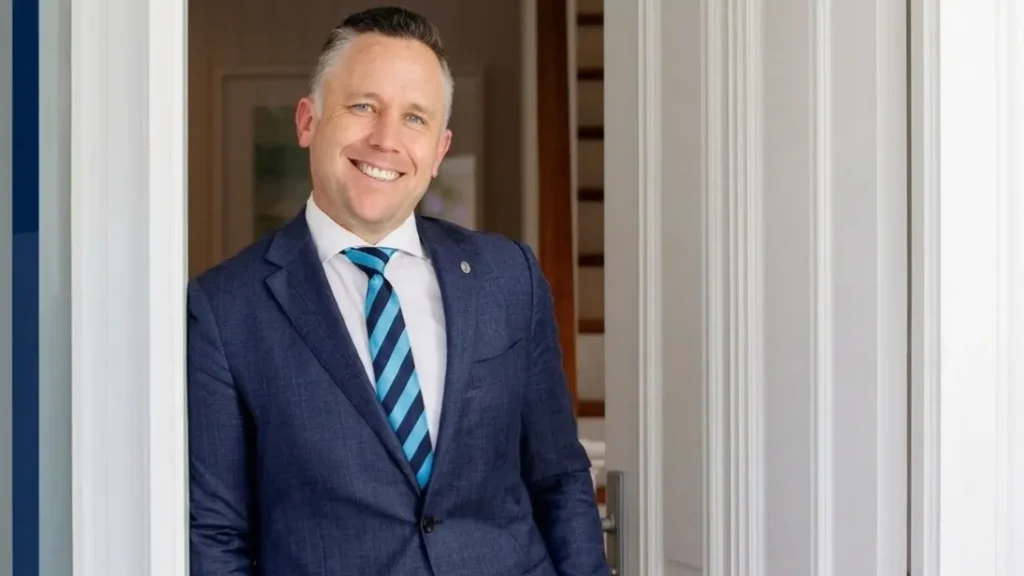
Harcourts: Adrian Knowles, CEO
Began as a Ray White sales cadet and later owned his own agencies and worked at Belle Property. He joined Harcourts in 2021 as CEO of Growth and was promoted to national CEO the same year, growing it to the second-largest group in Australia.
How is technology changing the way successful real estate businesses operate?
Technology has a way of exposing what’s already there. If you’ve built a business with good people, clear processes and strong leadership, technology helps you do those things better. If those foundations aren’t in place, it won’t solve the problem for you. The biggest benefit I see isn’t simply greater efficiency – it’s that technology gives people back time. The real opportunity is using that time to coach your team, strengthen client relationships and make better decisions.
What role do you believe AI will play in shaping the future of the real estate industry?
I think we’ll stop talking about AI before too long. It’ll simply become another tool we use, just like email or our mobile phones. AI will help us work more efficiently, but I don’t think that’s the most interesting part. The real opportunity is that it gives people more time to do the things technology can’t—building trust, solving problems and helping clients make important decisions. That’s where great real estate businesses have always stood apart, and I don’t see that changing.
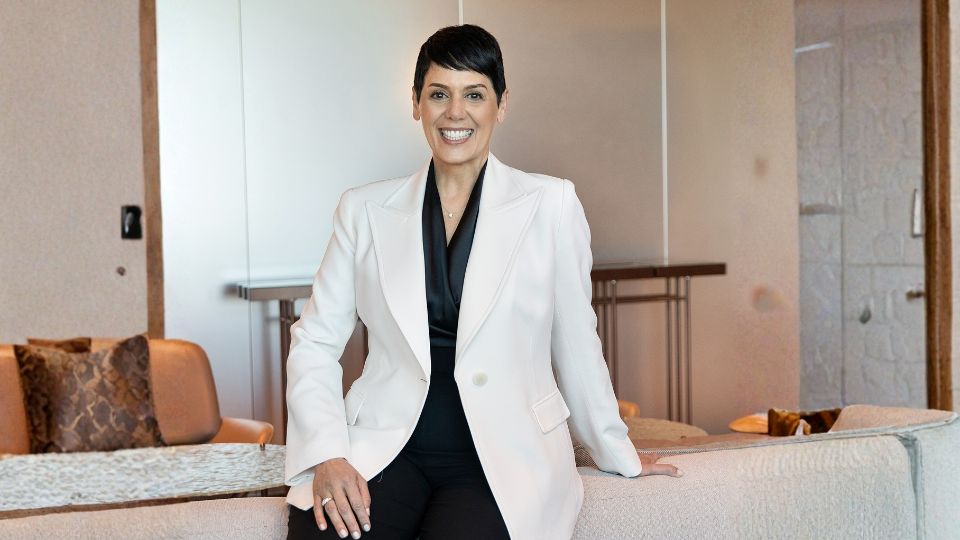
LJ Hooker, Christine Mikhael, CEO
Joined LJ Hooker in 2018 and served as Chief Performance Officer and acting CEO before being appointed Group CEO and board member in 2022. She now drives the “LJH100” strategy toward the group’s 2028 centenary.
What is the most important factor in building a successful real estate business today?
Real estate businesses today still need strong local relationships, but they also need the discipline, data insights and systems to deliver a consistently excellent experience. The most important factor is the ability to earn trust consistently with clients, teams, and communities. Brand, technology and training all play a role, but real estate businesses must ultimately support people in moments that matter, providing advice, negotiation, communication and care. Sustainable success comes from combining high performance with genuine service.
How do you see the role of real estate professionals evolving over the next decade?
Technology will continue to streamline real estate transactions, but it will not replace the need for trusted guidance at important moments in people’s lives. Agents need to interpret information, understand changing consumer expectations and bring confidence to complex decisions. Our role is evolving to be more advisory, more data-informed and more relationship-led. Real estate professionals who thrive will embrace emerging technologies, such as Agentic AI solutions, allowing them to be more present with clients. They will harness innovations while deepening their human skills, such as empathy, judgement, negotiation and leadership.
Raine & Horne: Angus Raine, Executive Chairman
Fourth-generation family member and owner. After 15 years with global firms DTZ, Knight Frank and Savills, he joined in 1998, spent years as CEO, and became Executive Chairman in 2015. A Harvard OPM graduate, registered valuer and FCPA.
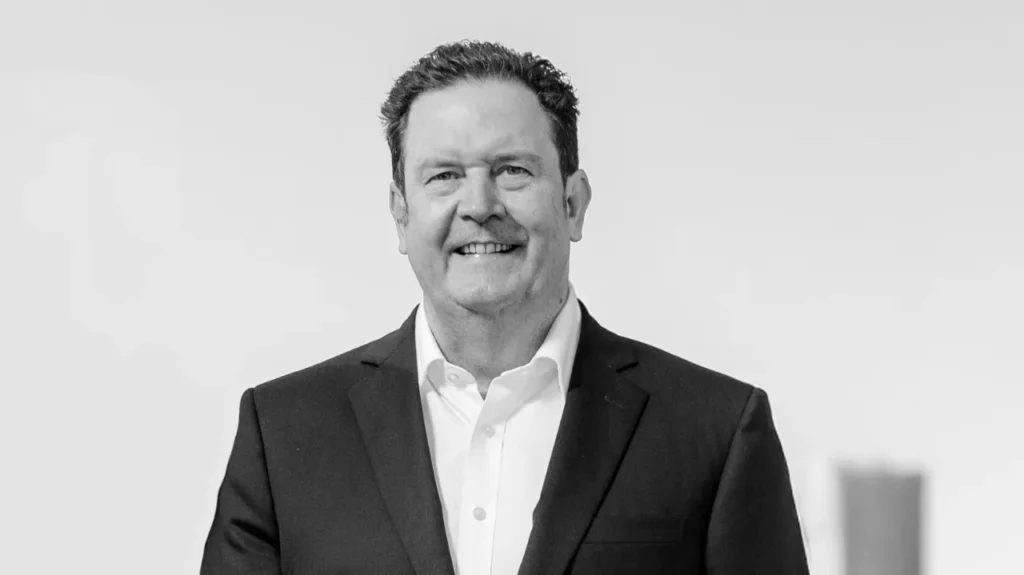
McGrath Estate Agents: John McGrath, Founder & CEO
John McGrath went from a 1988 lounge-room start-up to one of Australia’s most successful residential groups. A REINSW Woodrow Weight OBE lifetime honouree and founding REA Group director; returned as MD & CEO in April 2022.
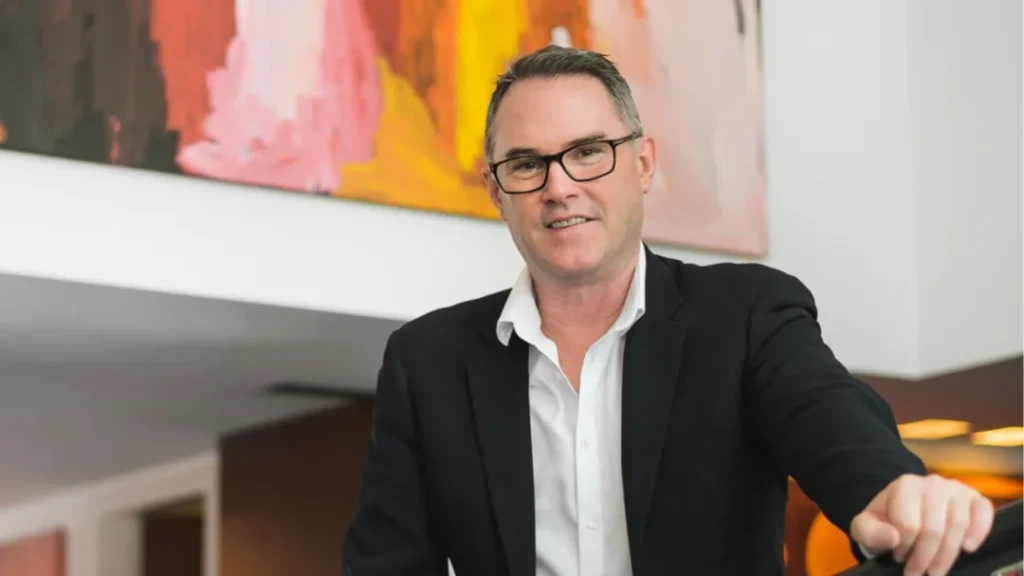
What is the biggest risk facing real estate businesses over the next 12 months?
The industry has significant headwinds currently with weakening market conditions coinciding with increasing compliance obligations, and these will create challenging conditions for all agents and principals across Australia. A combination of increasing interest rates, high cost of living, a budget designed to reduce property investor demand and ongoing unrest in the Middle East have meant that prices have declined by 10-15% in most markets in a matter of months. These factors will create very unstable markets for the rest of the calendar year. Then adding in significant State based compliance measures plus new AML obligations, this will mean a large number of agents and offices will not survive the next two years.
What is one opportunity you believe the industry is currently underestimating?
I think the opportunity for agents is to ignore the many external factors and headwinds, rise above the compliance standards and start delivering world class service with radical transparency. You can’t change external factors but you can upgrade your service delivery and that’s where the best agents will outshine their competitors. Ironically, despite the current challenges, this is also the best time for great agents to grow their marketshare.
Century 21 Australia: Charles Tarbey – Chairman
Started in real estate in 1972, built Combined Real Estate to 56 offices, then bought Century 21’s Australasian arm in 1995. He grew it into a major APAC network.
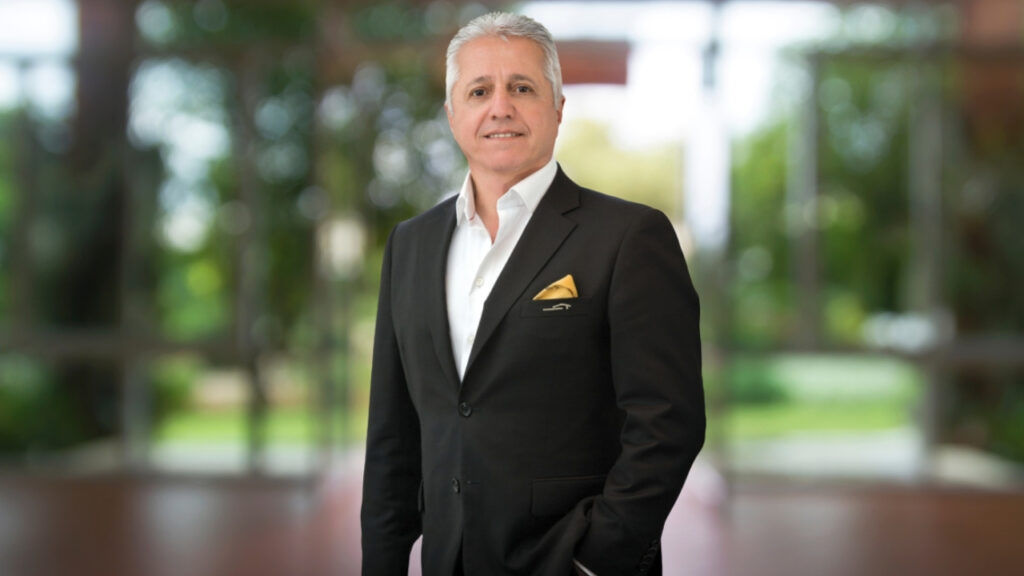
First National Real Estate: David Edwards – CEO
A C-suite retail and cooperative executive (Myer, PlaceMakers NZ, Mitre 10, Forty Winks) who joined First National in April 2024 in his first real estate role, leading Australasia’s largest network of independent agents.

Professionals Real Estate: Sean Hanneberry – CEO
A 25-year business, strategy and marketing leader (MD of SapientNitro, Strategy Director at Clemenger BBDO) who took the reins in early 2025, leading a multi-million-dollar transformation of the member network.

Elders: Mark Allison
Mark Allison joined Elders Limited as a Non-Executive Director in November 2009, serving as Chairman and Executive Chairman, before being appointed Managing Director and Chief Executive Officer in May 2014.

Belle Property (inc. Hockingstuart & Acton): Nick Boyd – CEO
In real estate since 2002; joined Belle in 2013 as national performance coach, ran his own consultancy, returned as Head of Growth in 2018, and became CEO of Belle, Hockingstuart and Acton in September 2024.
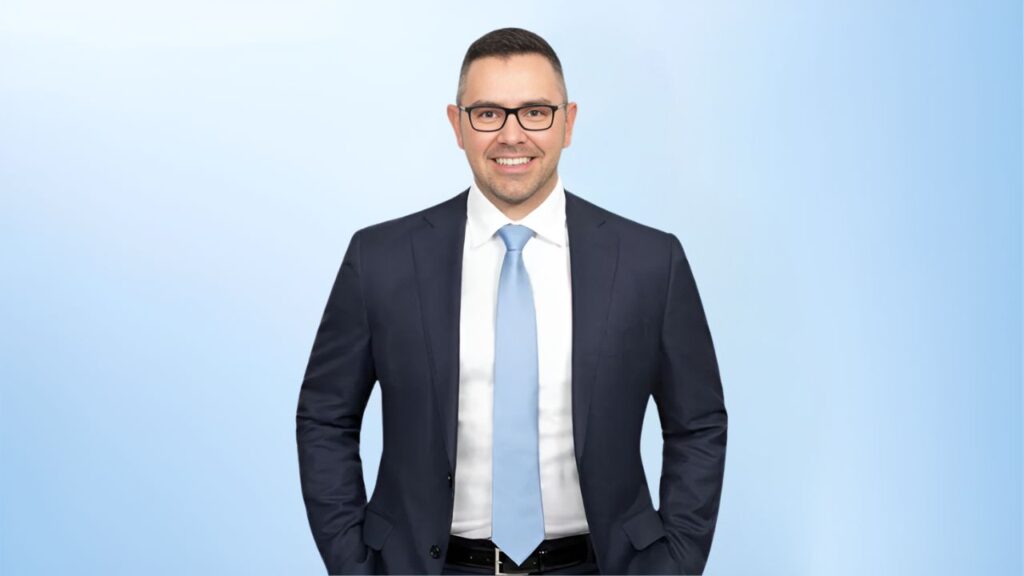
The Agency: Matt Lahood, CEO of Real Estate
35+ years in real estate, including 25 in leadership. A former Director of Sales at McGrath, he helped build The Agency’s ASX-listed direct-employment model and is a well-known auctioneer, mentor and commentator.
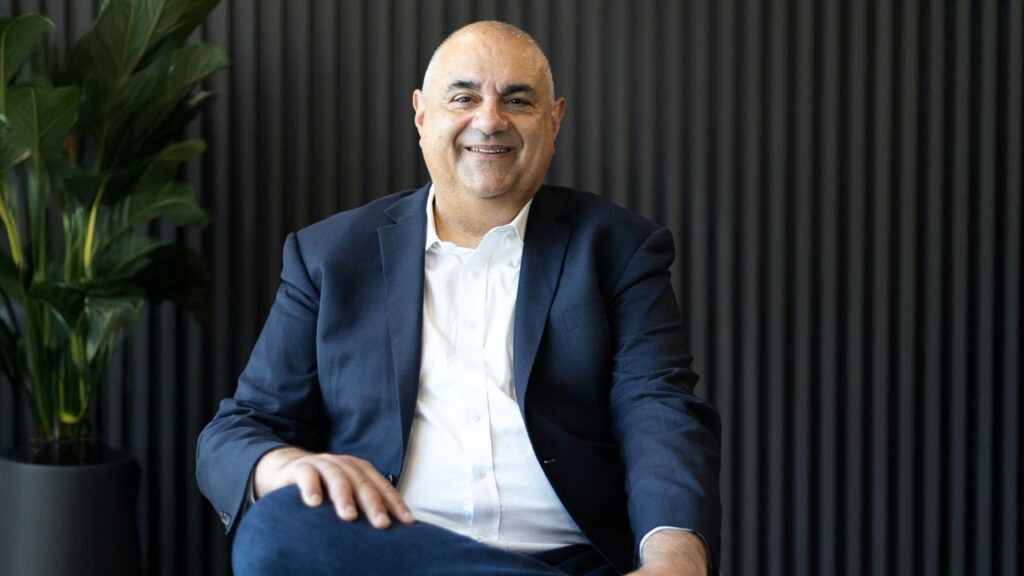
What is the biggest opportunity for agents and agencies in today’s changing market?
I think this market presents one of the biggest opportunities we’ve seen in years. When the market is easy, almost everyone looks good. When the market gets tougher, the professionals stand out. The opportunity isn’t just to sell more property, it’s to build a business that lasts. Consumers have more information than ever before. AI can write marketing copy, estimate prices and answer questions, but it can’t replace trust or judgement and it certainly can’t replace someone who can guide a family through one of the biggest financial and emotional decisions of their lives.
The agents and businesses that will win are the ones that stop competing on price or promises and start competing on value.
That means investing in people, building stronger relationships, improving the client experience and creating businesses that generate repeat and referral opportunities, not just the next transaction.
Technology should make us more efficient, but relationships will always be what makes us valuable. The biggest opportunity today is to become the trusted adviser your clients simply wouldn’t want to do without.
What skill or capability will be most important for real estate professionals to develop over the next few years?
If I had to pick one capability, it would be adaptability. The industry is changing faster than ever. Technology is changing, consumer expectations are changing and the way we lead people is changing.
The best agents won’t be the ones who resist change, they’ll be the ones who embrace it. That means becoming comfortable with AI and technology, because that will make them more productive and allow them to spend more time doing what really matters.
Alongside that, the skills that will separate the very best will still be deeply human. The ability to build trust, communicate, negotiate lead and genuinely care about people.
I’ve always believed real estate is a people business first and a property business second. That won’t change in the future.
The professionals who combine great technology with great relationships, strong leadership with humility, and high performance with genuine care for their clients and their teams will be the ones leading this industry over the next decade.
Markets will always go up and down, technology will continue to evolve, but people will always choose to work with someone they trust.
PRD Real Estate: Todd Hadley, Managing Director
Joined PRD in 2005, holding Business Development, Consultant and Franchise Director roles, became National Franchise Director in 2015 and Managing Director in February 2020. PRD is owned by Colliers.
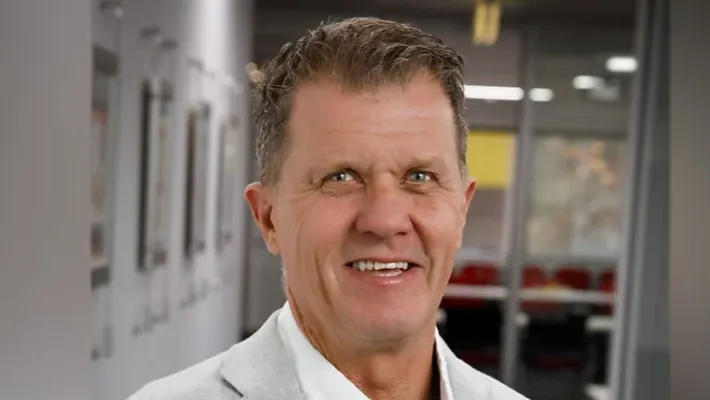
What is the single biggest consumer demand shift you’ve noticed?
The biggest shift has been affordability, but with a caveat: buyers are asking, “What’s the best property I can afford that suits my lifestyle, without burdening me for life?” We’re seeing first-home buyers choose apartments closer to work, restaurants and entertainment over larger house-and-land packages further out. At the other end of the market, downsizers are embracing smaller, low-maintenance homes that allow them to lock up and travel. Increasingly, people are buying into a lifestyle and community, not just a property.
Where is your group focusing its digital investments right now?
How we adopt AI is critical. Our focus is on using it to improve processes, streamline workflows, strengthen lead generation and the client nurturing lifecylce, and free up valuable time for agents and support teams. Behind the scenes, we’re leveraging AI to drive efficiencies, identify opportunities and strengthen insights.
What’s equally important is ensuring we don’t lose sight of the personal connection with our clients. Real estate is, and always will be, a people business first. Technology should support relationships, not replace them.
Biggin Scott: Ray van Veenendaal, CEO
Raymond van Veenendaal is an accomplished business leader and the CEO at BigginScott Corporate. With a dynamic career that spans both the real estate and pharmaceutical industries, Raymond brings a unique blend of commercial acumen, strategic thinking, and operational excellence to his role.
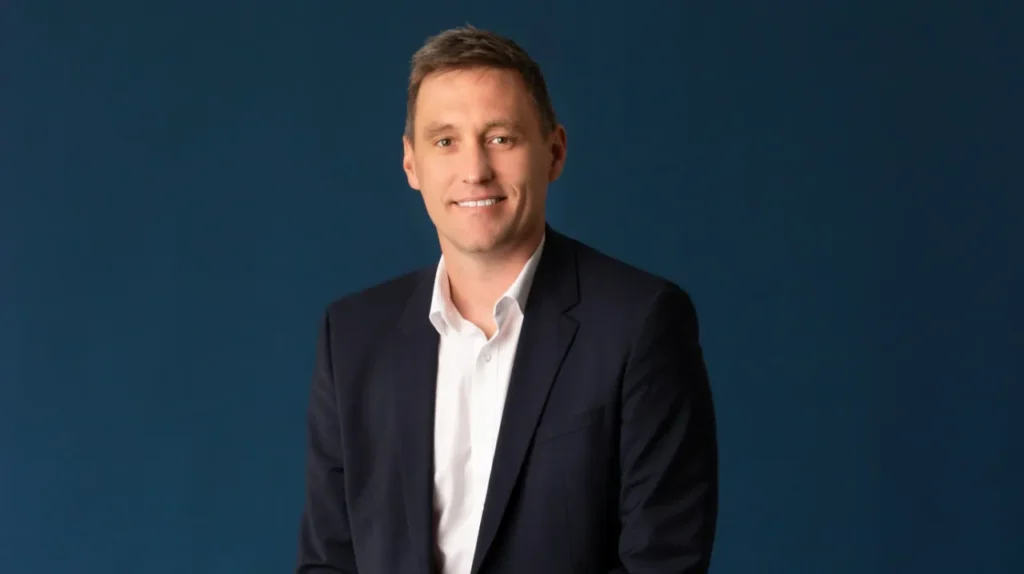
What is the single biggest consumer demand shift you’ve noticed in the property market over the last 12 months?
Consumers are using technology to not only research property but using it to decide. Not just to gather information but to form a view on what to do and when to do it. Doctors have dealt with this for years with “Dr Google”. Patients arrive having already self-diagnosed, armed with a confident view from a tool they trust. Agents are now in the same position. The first conversation is increasingly with someone who has already decided on timing, price and what the market is doing. The job is to work with that, filter it and when necessary, push back on it. REA & Domain have already launched AI-powered conversational search. That relationship of trust and a buyer or seller is changing fast.
With AI and prop-tech evolving rapidly, where is your group focusing its digital investments right now?
There are over 600 proptech companies in Australia and more arriving every day. Most of them are solving a problem directors do not have. What we hear consistently is not a request for more solutions. It is a request to get more out of what already exists and help to focus on running a business. Separately, cutting the noise in market, AI and generative search are the obvious areas we are watching closely and focusing on with business partners who are better at it than we are. Internally, we are building data infrastructure that gives directors visibility over their own numbers and benchmarks on their business’ health. The goal is fewer tools used well, not more tools adding noise.
What is one piece of advice you would give to real estate businesses trying to navigate the current economic landscape?
Real estate is a network and face-to-face game. It always has been. The advice is always to concentrate on listing, selling and recruiting and retaining (the people and leadership aspect). Ignore the technology noise, the political noise and all the peripheral “fog”. Be a genuinely great person in your community. Show up consistently on tasks that build your business. Build real relationships. The offices that do those things well in a soft market are the ones that are impossible to compete with when conditions improve.
Richardson & Wrench: Andrew Cocks – Group Managing Director
A former Army engineer and Thredbo executive who joined R&W as Executive Director in 2009 to modernise the business, then bought the company in a 2016 management buyout.
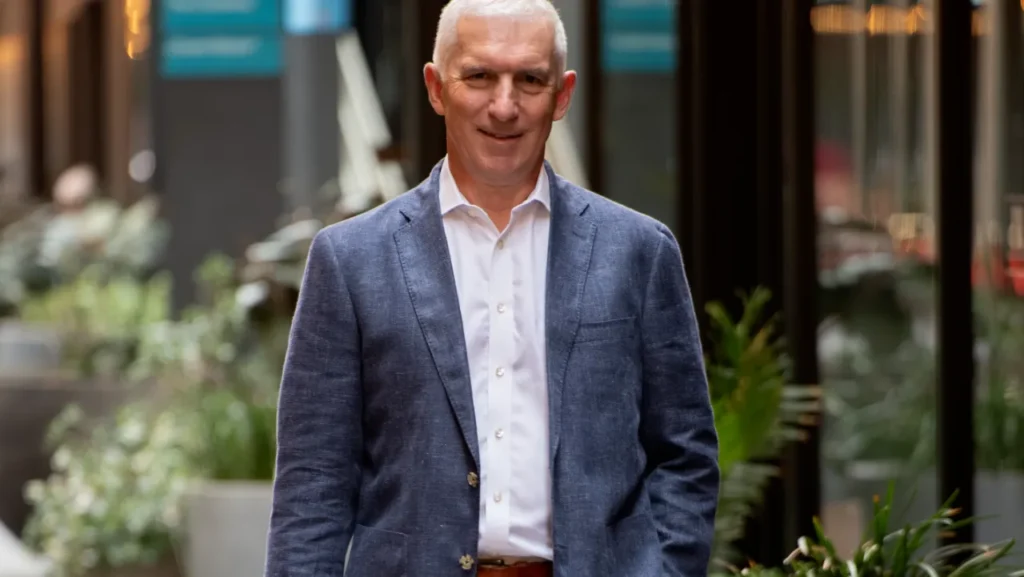
Where is your group focusing its digital investments right now?
I think it’s easy for our industry to get distracted by the latest AI buzzwords and tools that fail to add real value – confusing activity with progress. Our focus is on how AI and prop-tech can better enable our clients and our people. We are investing heavily in practical tools, operational support, and backend automations that remove everyday friction for our businesses. The goal is pretty straightforward: eliminate the heavy administrative lifting so our agents and property managers can dedicate their time to doing what technology can’t by providing high-value, empathetic, and strategic advice to our clients in a complex market.
What is one piece of advice you would give to real estate businesses trying to navigate the current economic landscape?
Transition to strategic portfolio advice. Right now, global uncertainty and the aggressive tax reforms are suppressing transaction volumes as people put their future plans on ice. My advice is to actively mine your entire ecosystem, your rent roll, dormant databases of past buyers, prospective sellers, and inactive investors. Sit down with them to audit their holdings and model how the incoming tax changes impact their plans. Businesses that provide this proactive, data-backed guidance will secure their immediate pipelines and guarantee they are the first choice when the reluctant clients inevitably transact.
Barry Plant: Lisa Pennell, CEO
20+ years in real estate (Ray White Head of Marketing; Harcourts Australia COO). Joined Barry Plant as COO in late 2022 and became CEO in June 2023, leading a rebrand and winning Major Network of the Year (2025).
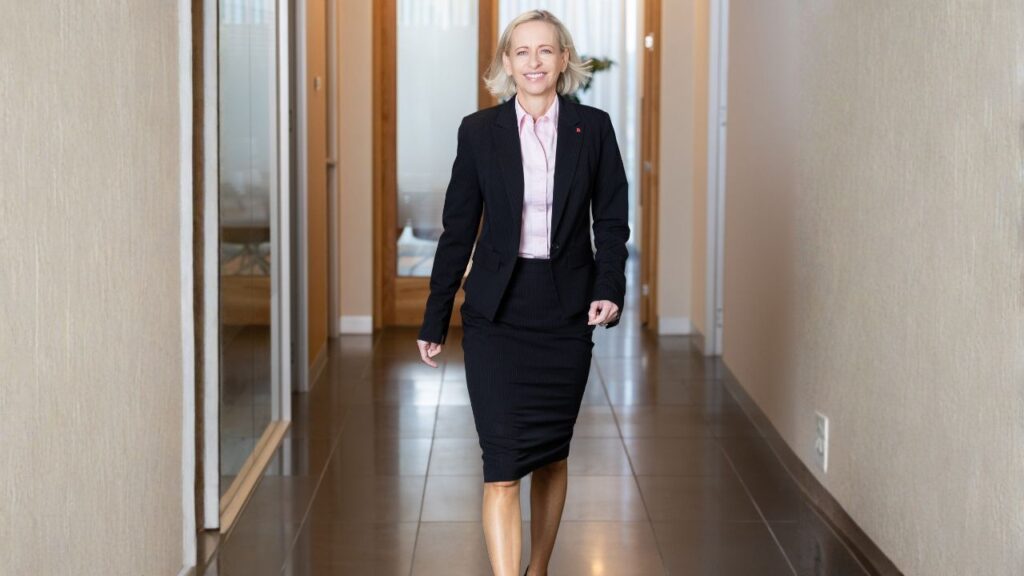
What is the single biggest consumer demand shift you’ve noticed in the property market over the last 12 months?
Trust in our industry has eroded even further—dangerously so, in my opinion. In the context where toe property market and the world itself have become highly unpredictable, headlines continue to expose outrageous agent behaviour, often associated with well-known brands, alongside widespread concerns about underquoting and misleading or unethical conduct. With greater direct access to information than ever before, consumers are demanding better, seeking greater transparency and higher standards from agents.
What is one piece of advice you would give to real estate businesses trying to navigate the current economic landscape?
Hang in there—but don’t stand still. While this difficult period arrived in ways many didn’t expect, we always knew the market would continue to move in cycles. We also know that downturns are generally shorter than booms. Tougher conditions create an opportunity for quality agents and well-run businesses to distinguish themselves and grow market share. Keep a close eye on unnecessary costs, but continue investing in the people, skills and systems that will drive future growth.
REMAX: Joel Davoren, Managing Director
With over twenty years industry experience, as Managing Director for REMAX Australia, he leads a network where entrepreneurial culture proudly affords its agents and franchisees the flexibility to operate their businesses with independence. The brand has a global presence in over 120 countries.
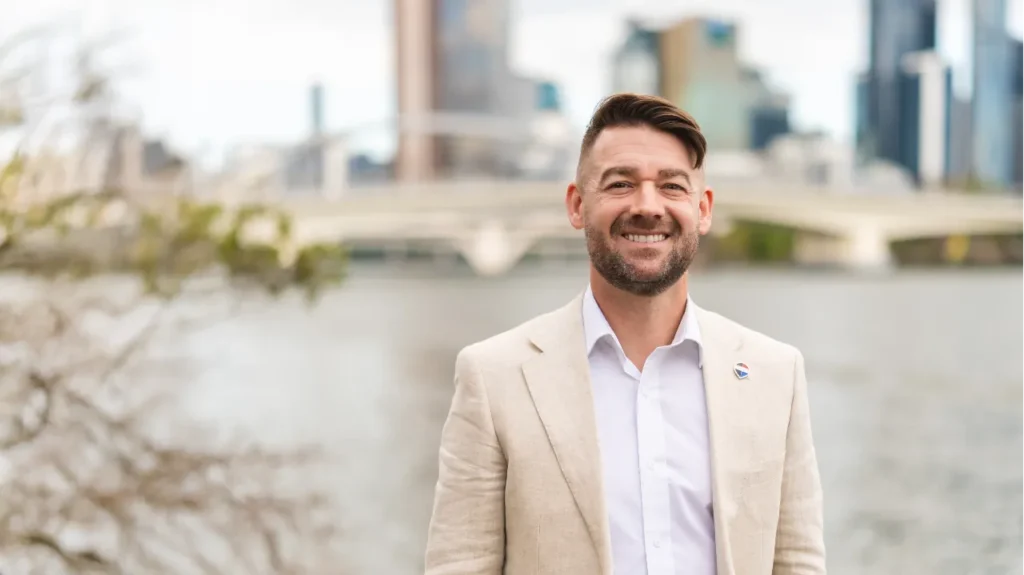
What is the one issue you believe the real estate industry needs to address most urgently?
Right now the biggest issue is pivoting with the demands that the change of market conditions have placed on the industry, at both a property management and sales level. Off the back of a government budget that has had a significant impact on the property market, there will be unintended consequences from these changes that the government hasn’t anticipated in their modelling. This is a frustration point not only from the industry but also for those in and entering the property market, as well as tenants who are likely to get hit with rental increases from these changes.
Another urgent priority for the industry is the inclusion of AI platforms and agents it is going to have an impact and there will be winners and losers as a result of that – it will be those that adapt the fastest who will benefit from these advances
Looking ahead, what gives you the most confidence about the future of the property market?
In the short term we still have a supply issue that the government hasn’t addressed correctly. Whilst there may be some headwinds, over the long-term people still need somewhere to live and we simply aren’t building houses fast enough to accommodate our growing population.
The benefit of this challenge is that it should help to stabilise price corrections as a result of regulatory changes imposed by the government. Regardless of the Government’s changes impacting the market, it still appears that property is still one of the most tangible and safe investments for Australians.
It might seem a bit counter intuitive, but the regulatory pressure that is being placed on the real estate professional is just another reason why the public need a real estate professional present during the property transaction. It’s getting harder to navigate, but real estate professionals deal with this on a daily basis and are comfortable in navigating that process.
OBrien Real Estate: Dean O’Brien, Managing Director
Raised in country Victoria, he entered real estate in 2001 and co-founded OBrien in Berwick in 2010 with Darren Hutchins. He has grown it into a people-first franchise of 35–40+ offices and founded the OBrien Foundation.
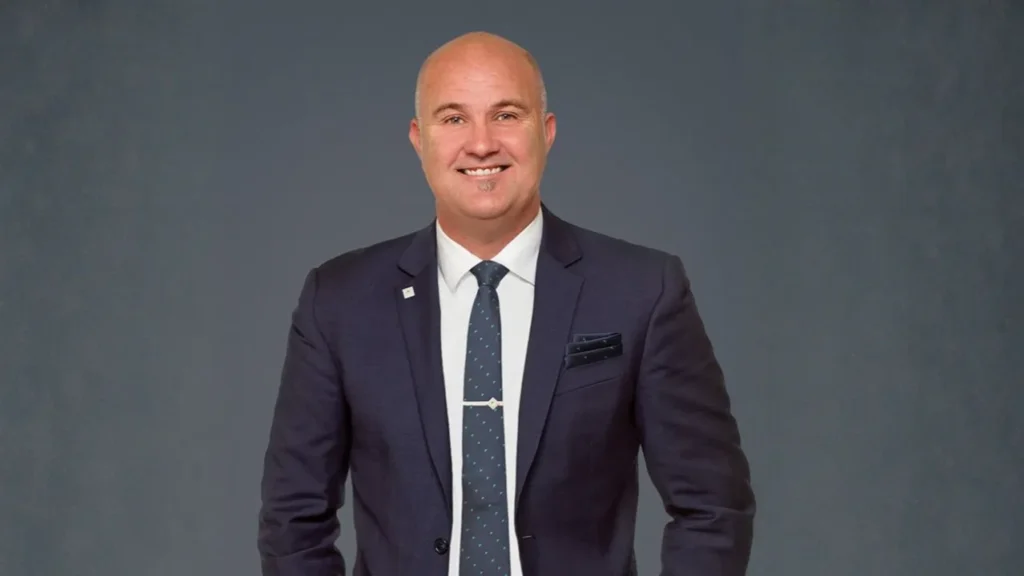
What is one change your business has made recently that has delivered the greatest impact?
The most significant change we have made has been shifting from leading by instinct to leading through insight. By embedding real-time performance data into every level of our business, we’ve created greater accountability, stronger coaching and faster decision-making across our network. The result has been more consistent growth, improved leadership capability and better outcomes for our clients.
What is one piece of advice you would give emerging leaders in the real estate industry?
My advice to emerging leaders is simple: leadership isn’t about having the title; it’s about creating momentum. Be brave enough to make decisions, obsessive enough to pursue excellence, and humble enough to keep learning. Invest in your people, lead with clarity, and always model the standards, values and behaviours you expect from others.
Coronis Group: Karuna Mazzocchi – CEO
Opened and led her own Coronis agency at 25 and became COO in 2017 before being appointed CEO in March 2023.

What is the single biggest consumer demand shift you’ve noticed in the property market over the last 12 months?
The obvious answer is the recent tax changes and softening of the market. Buyers are taking longer to make decisions and there is a real lack of urgency. I know in our business we’ve seen a 75% drop in open home attendees compared to this time last year. It has clearly been a significant shift. However, it is important to note that well-priced properties are still selling.
What is one piece of advice you would give to real estate businesses trying to navigate the current economic landscape?
In a market that has shifted like this, you need to be doing more to achieve the same results. To do this, you need to be doubling down on accountability and process. That’s looking at profit and loss statements to know exactly what your incomings and outgoings are. Assessing the ROI on your expenses and questioning if it’s actually adding value. If you or your team have EBUs, looking at everyone on the team and asking what their value is to that business.
It’s not necessarily about cutting back. It’s about understanding the full picture so that you can remove anything that isn’t of value, or doubling down on what’s bringing you a high ROI.
You can’t expect to just keep doing the same thing as the past 5 years and continue to get the same results. Everyone needs to be doing more training, daily activity, open homes, face-to-face meetings. Something which has had immediate impact for us is pivoting quickly on our training, coaching and strategy on how to get properties sold in this market so that our teams’ days on the market didn’t blow out. It can seem obvious but people often make these changes too late and are left behind.
Stone: Peter Mumford, CEO
An entrepreneur with a prior award-winning catering and events career who became the first franchisee of what grew into a top-four franchise group before founding Stone, a boutique east-coast network.
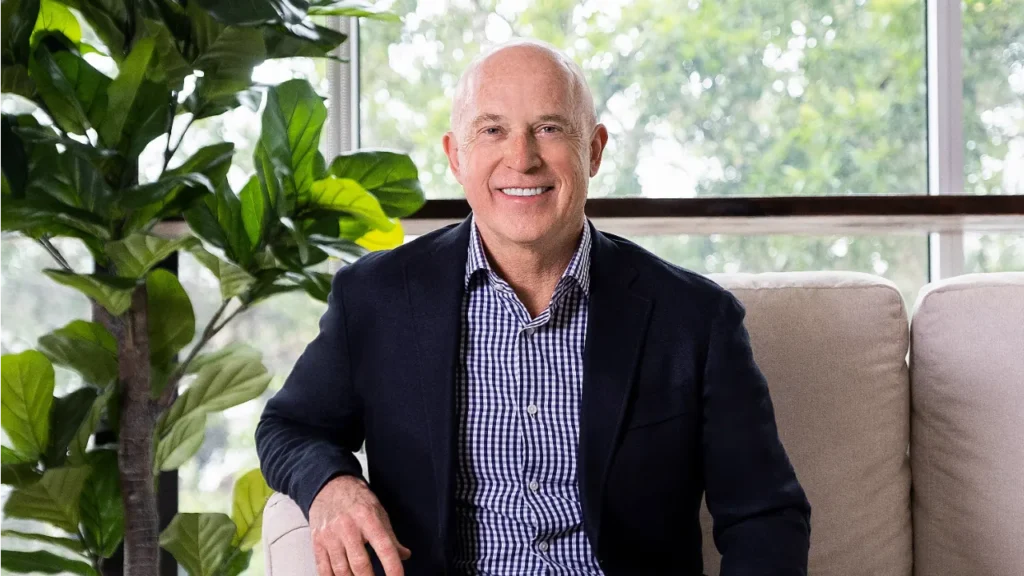
What has surprised you most about the property market or industry over the past 12 months?
I guess it’s no surprise that the latest investment and tax changes are affecting consumer confidence. What is surprising is how the government rolled out these property tax changes with no real consultation of experts. This is lowering the opportunities for aspiring young investors to get ahead.
What is one area where you believe real estate businesses can improve to better serve their clients?
Are AI tools being looked at on whether they’ll save the business money relative to their cost, and where they’ll actually add value to the process for both the customer and the business? This is something we need to consider as businesses. Along with how can we deliver more personal interaction with customers to help us stand out. As an industry, we could strive to deliver better education on property, from first home buyers to retirees. Let’s raise all boats in education to lift our professionalism.
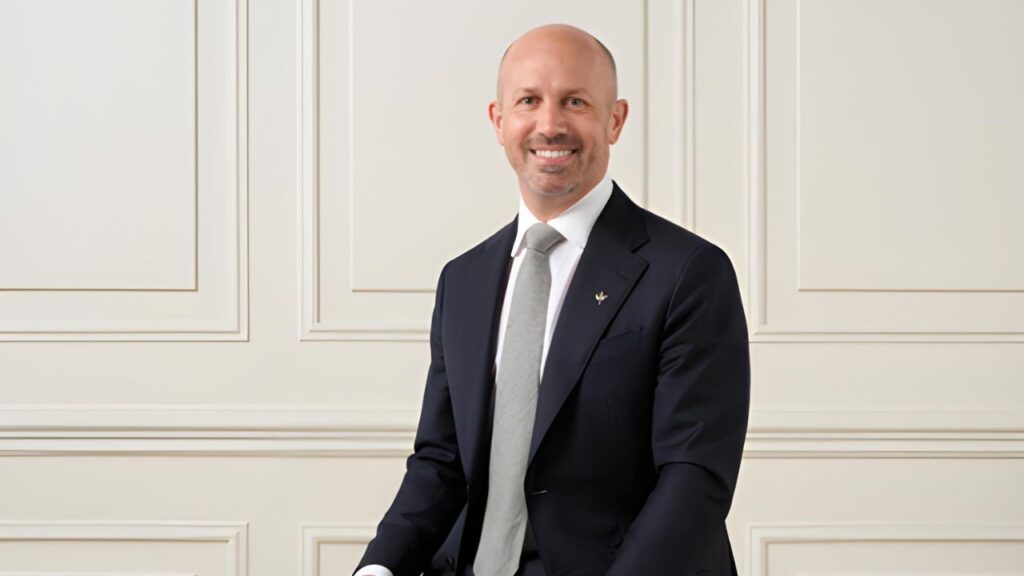
Jellis Craig: Andrew McCann, CEO
Appointed CEO in March 2024 with 25+ years of real estate experience, previously Managing Director of Jellis Craig Stonnington & Yarra.
What is the biggest misconception about the current state of the real estate industry?
I think the biggest misconception about the current state of play in the RE market is that it’s significantly depressed with prices falling and limited activity. Whilst the market is not highly competitive, it is in fact quite a balanced and productive marketplace which will improve as we see more stock listed entering the traditional selling seasons over the coming months.
What is one trend you believe will have the greatest impact on real estate businesses in the years ahead?
I think the integration of AI related products to help agents surface leads and connections to buyers and sellers looking to act in the immediate short term will have a huge impact on agent efficiency and will allow for more impactful and strategic seller and buyer follow up. If handled appropriately, this could also have really positive impacts for customer service standards and targeting communications to prospects rather than spamming which limited permissions.
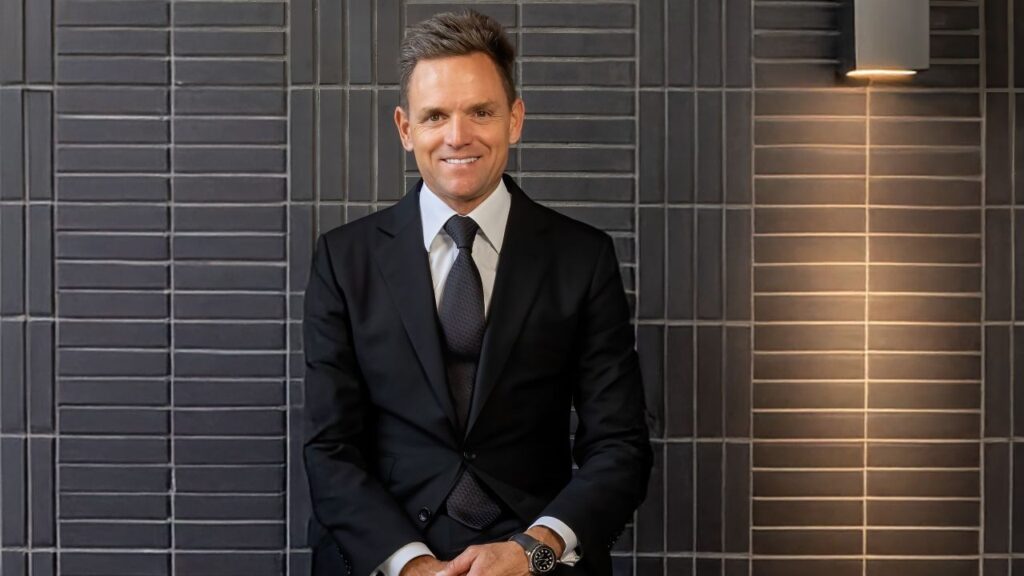
Highland Property: David Highland, CEO
Started in real estate 25+ years ago and founded Highland in 2007 in the Sutherland Shire. He has built it from six staff to 200+ across seven East Coast offices (Sydney, Southern Highlands, Gold Coast), plus commercial, finance and marine arms.
What is the biggest challenge currently facing real estate businesses?
The biggest challenge is separating sentiment from reality. The market adjustment has already happened. With the benefit of hindsight, I believe the April and May period will be remembered as one of the fastest pricing corrections we’ve seen in recent years. Buyers adjusted, sellers adjusted and price expectations reset in a remarkably short period of time.
Too many people buy into negative headlines and fear-driven commentary. In my experience, much of that narrative is exaggerated and doesn’t reflect what we’re seeing on the ground. Across our business, we’re seeing activity improve, confidence return and the market beginning to stabilise. On Saturday alone, Highland opened 160 properties, welcoming 332 buyer inspections across our network securing 35 properties pending exchange, representing $66.7 million in property value.
Every property cycle creates opportunity. History tells us the best buying opportunities rarely feel obvious at the time, they become obvious with the benefit of hindsight. I wouldn’t be surprised if, with the benefit of hindsight, today’s pricing is viewed as exceptional value over the next 6–12 months. The challenge isn’t the market itself; it’s recognising when the market has already changed.
What strategy or mindset has helped your organisation continue to grow in changing market conditions?
Our philosophy has always been simple: focus on what you can control. We don’t spend our time trying to predict the next market movement, we focus on creating activity, building relationships and delivering exceptional outcomes for our clients. Markets move in cycles, but people continue to buy, sell and invest regardless of the headlines.
We’ve continued to invest in our people, our technology and our processes throughout every phase of the cycle. Rather than stepping back, we’ve doubled down on execution, innovation and client service. Our defining difference is the depth of leadership across our business. We’re not a franchise, and we’re not built around one individual. We’re one of Australia’s largest independently owned real estate groups, led by a collective of owners who have built outstanding businesses over decades and successfully navigated every type of property cycle. That depth of leadership creates a culture where knowledge is shared, decisions are made collaboratively and our clients benefit from the collective experience of the entire group not just one office or one individual.
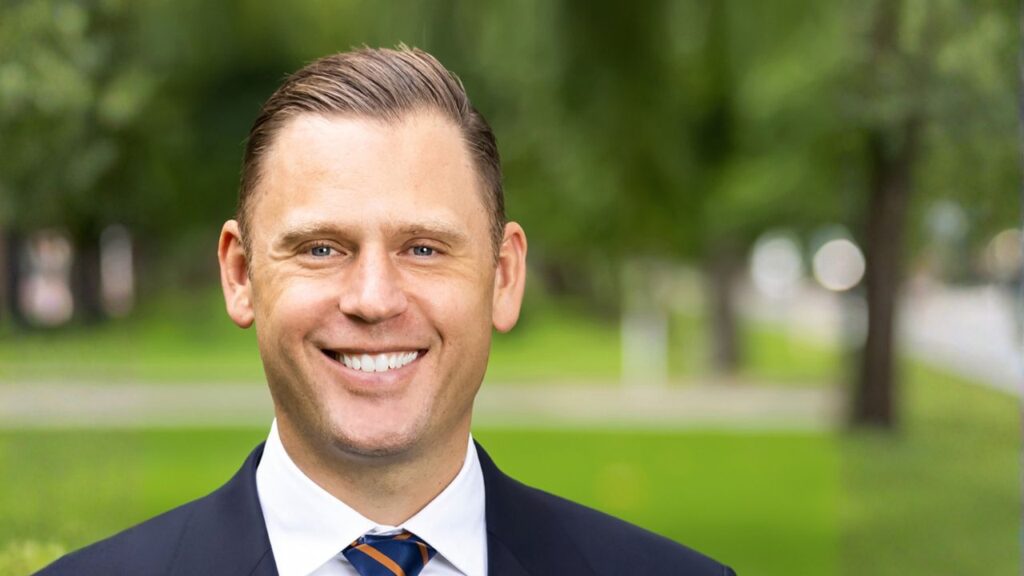
Harris Real Estate: Phil Harris – Founder & Managing Director
The only South Australian named both REISA Salesperson of the Year and Golden Gavel Auctioneering Champion. He founded and owns Harris (est. 2010), now a multi-office Adelaide market leader.
What is the single biggest consumer demand shift you’ve noticed in the property market over the last 12 months?
Consumers are becoming much more discerning about the value they receive from their agent. It’s no longer enough to simply put a property online and run an auction. Sellers are expecting a much more strategic, transparent and personalised experience.
They want to understand the plan, they want regular communication, and they want their agent to demonstrate how they are going to achieve the best possible outcome. For us, that means continuing to invest in the quality of our people, training programs, our marketing and the overall customer experience.
With AI and prop-tech evolving rapidly, where is your group focusing its digital investments right now?
We’re focused on using technology to make our people better and our customers’ experience better — not technology for technology’s sake. AI has enormous potential to remove some of the administrative workload from our teams, improve how quickly we respond to customers and help us make better use of the data we already have. We’re also continuing to invest in systems that improve our marketing, communication and operational efficiency.
The key for us is finding the right balance. Real estate is still a people business, and technology should enhance the relationship between our people and our customers, not replace it.
What is one piece of advice you would give to real estate businesses trying to navigate the current economic landscape?
Control what you can control. Markets will always move through different cycles, and you can’t build a successful real estate business around trying to predict exactly what is going to happen next. The businesses that will perform best are the ones that stay close to their customers, look after their people and remain disciplined about their costs and their service.
For us, it’s about continuing to invest through the cycle, maintaining high standards and focusing on the fundamentals. If you build a business that performs well in a challenging market, you put yourself in a very strong position when conditions improve.
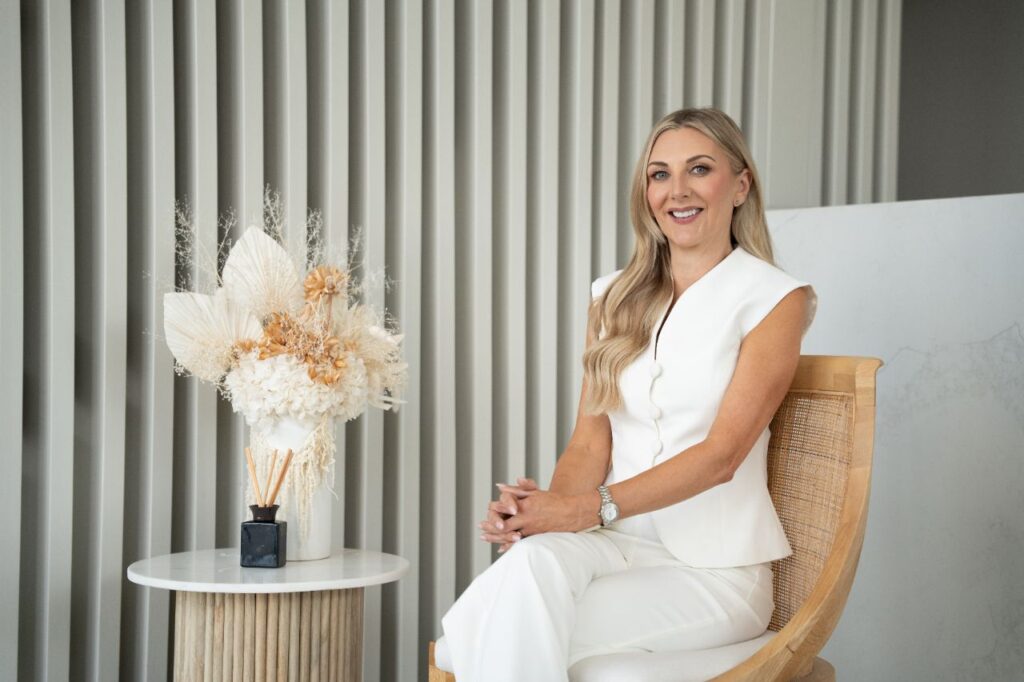
Urban Real Estate: Katrina Tarrant, CEO
A 30-year industry veteran and former CEO of Harcourts NSW with a Masters in Business, she became Urban’s CEO in early 2026, succeeding founder Christopher Lowry.
How has the definition of success in real estate changed in recent years?
Success used to be measured largely by volume. More listings, more sales, more offices. Those things still matter, but a business can grow quickly without necessarily growing well. For me, real success is creating something people trust, contribute to and choose to stay with. Clients who return, agents who build meaningful careers and employees who know their contribution matters. It is growth with substance. Commercially strong, well led, adaptable and still deeply human. The numbers tell you how the business performed. Your people and clients tell you whether it truly succeeded.
What is one decision or investment your business has made that will shape its future growth?
We have made the decision to appoint a Director of AI and Technology to lead this strategy across our entire business. A key focus will be unlocking one of the most valuable assets good agents possess: latent data. The insights accumulated through years of conversations, relationships and local experience that often remain untapped. If it matters to our clients, it matters to us. AI can digest that knowledge at scale and translate it into hyper-personalised experiences and communication, amplifying the qualities that make a great agent so valuable.
Stockdale & Leggo: Charlotte Pascoe – CEO
In real estate since ~2002, she rose to licensee, joining S&L in 2018 as General Manager and became CEO in June 2020. She is also a co-owner, with Ben Thomas.
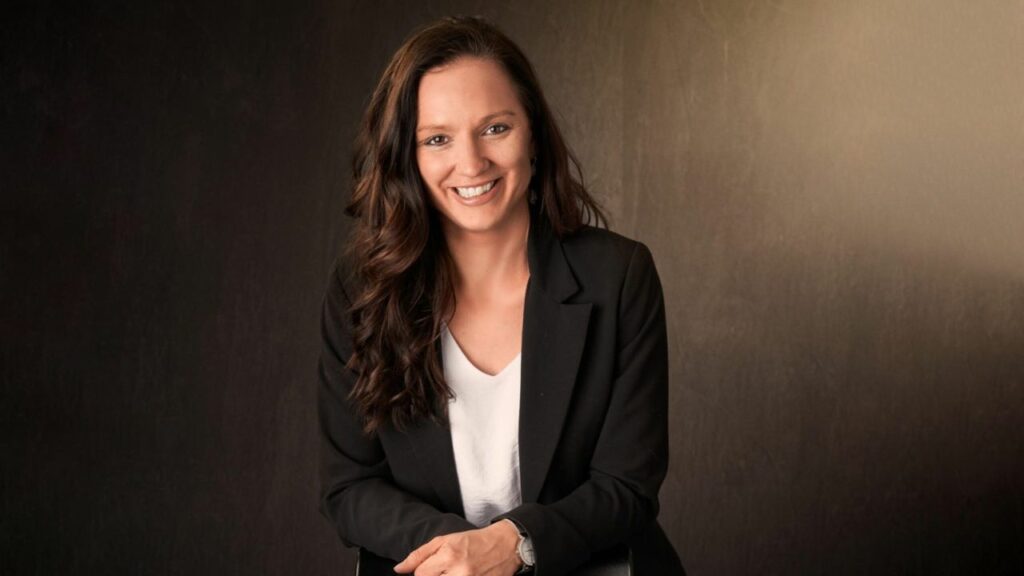
Woodards: Nigel O’Neil, CEO
A chartered accountant with 17+ years in real estate, including CEO roles at Barry Plant and senior roles at Buxton. He became Woodards’ CEO in 2024 (only its fifth in 100+ years), succeeding long-time chief John Piccolo.
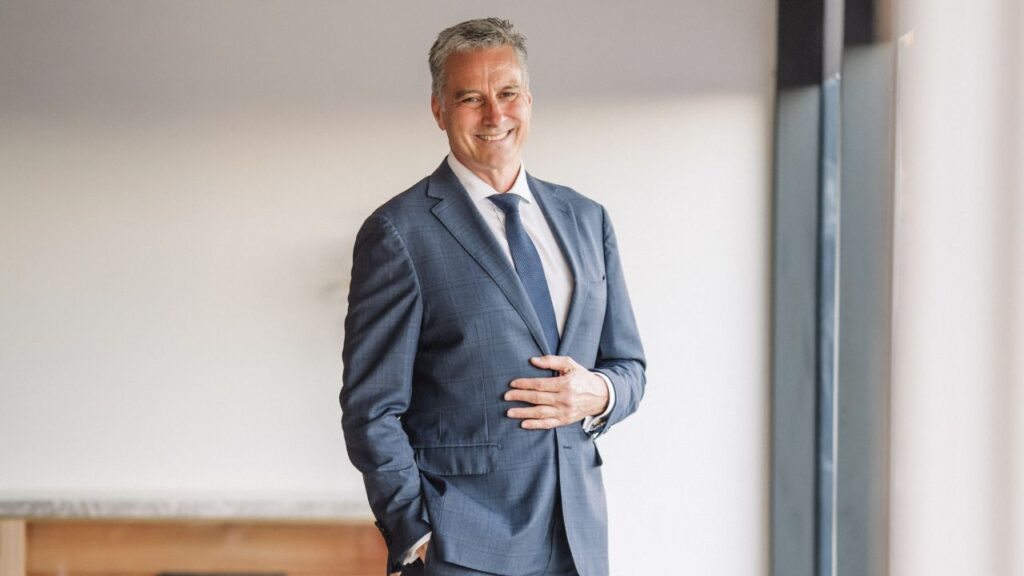
What is the biggest opportunity for agents and agencies in today’s changing market?
As markets become more challenging, I think we’ll see the really good agents separate themselves from the rest. In stronger markets, almost everyone can look good, but when conditions tighten, it’s the highly skilled agents who consistently add value and earn their clients’ trust.
For agencies, particularly those operating under a well-respected brand, there’s also a real opportunity because we often see a ‘flight to quality’. Vendors naturally look for the safest pair of hands when selling becomes more complex, and agents are no different when deciding where they want to build their careers. In times like these, reputation, experience and trust become even more important.
What skill or capability will be most important for real estate professionals to develop over the next few years?
The ability to build genuine relationships and understand what sellers and buyers truly need will remain the most important capability. Technology will continue to play a bigger role in our industry, helping agents become more efficient and effective, but it should remain an enabler rather than a substitute for human connection.
Digital tools can enhance communication and improve the customer experience, but they can’t build trust on their own. Trust is earned through empathy, genuine conversations and consistently delivering on your promises. So while technology will continue to be important, the agents who thrive will be those who use it to strengthen, rather than replace, genuine human relationships.
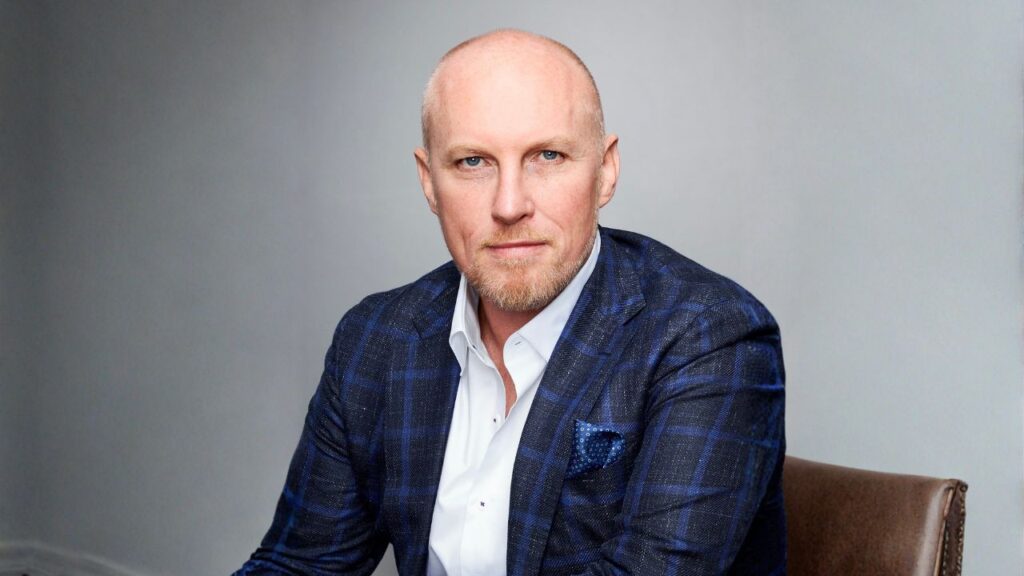
DiJones Real Estate: Dean Mackie – CEO
A Macquarie University economics graduate with two decades in real estate, he leads DiJones (founded 1992 by industry pioneer Di Jones). As CEO he’s driven the premium Sydney network’s expansion across the north shore, eastern suburbs, Central Coast and Sutherland Shire to ~240 staff, winning REA Residential Agency of the Year.
What is the single biggest consumer demand shift you’ve noticed in the property market over the last 12 months?
The single biggest shift isn’t just about price, it’s about confidence and clarity. Consumers are inundated with raw data and market noise, leaving them anxious. What they crave right now is dynamic transparency, speed, and real time guidance delivered with human context. Today, leaders must wear three hats simultaneously: acting as an economist to interpret macro trends, an agent to navigate micro markets, and a trusted advisor. Agencies that strip away standard marketing spin and deliver authentic, straight talk intelligence and give buyers and sellers complete certainty, are the ones winning deep, lasting brand loyalty.
What is one piece of advice you would give to real estate businesses trying to navigate the current economic landscape?
Rethink scale, protect your energy, and embrace true industry collaboration. The traditional model, a physical storefront on every corner backed by fragmented back offices, is inefficient and increasingly unsustainable and the future belongs to fewer agents doing higher volume with intelligent, centralised data. But no brand, including DiJones, and if we all sit in private silos building individual fortresses, we lose. Our long term survival relies on progressive collaboration, sharing infrastructure insights and protecting the local advisor as the primary relationship holder.
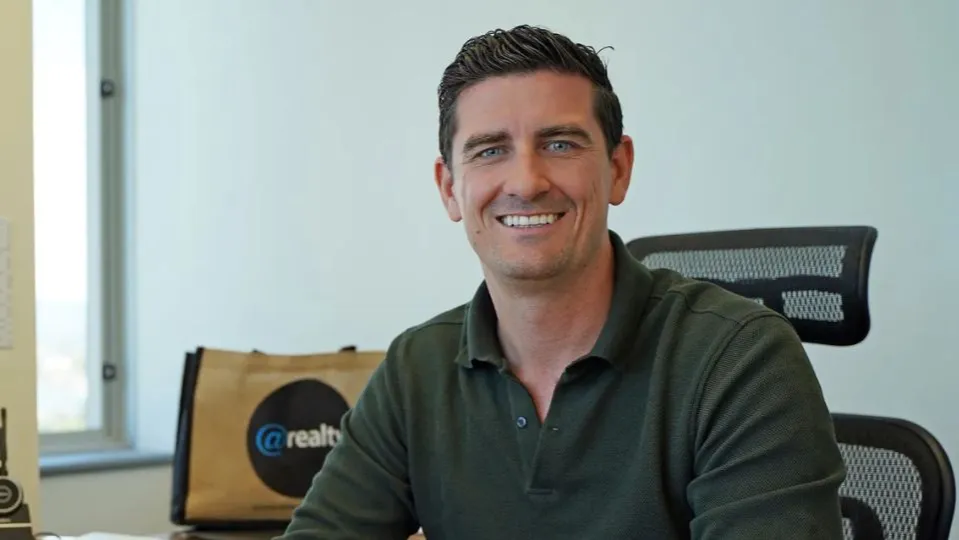
@realty: JJ Taylor, Managing Director
Leads a tech-driven, low-touch network established in 2008 and headquartered in Surfers Paradise, supporting 950+ independent professionals across Australia and New Zealand under an agent-first model.
What is the biggest opportunity you believe real estate businesses are currently underestimating?
Most businesses are pointing AI at efficiency, faster listings, cheaper content, fewer hours. That’s the small prize. The large one is relationship depth: every past client, every unconverted appraisal, every landlord tracked properly and contacted when it actually matters to them, not when the newsletter goes out. Agencies have always known this was the job. They just couldn’t do it beyond a couple of hundred people. That constraint is gone, and the ones still using AI to send more generic emails are wasting it.
What is the one quality or capability you believe will separate the most successful agents and businesses from the rest over the next decade?
The basics, done consistently. Every decade brings a tool that promises to replace prospecting, and every decade the top performers are still the ones on the phone and at the door. Technology raises the ceiling; it doesn’t remove the floor. What separates people isn’t access to better software, everyone will have that, it’s whether they can do the unglamorous work on a Tuesday in February when nobody’s watching. That’s been true for forty years and I don’t expect it to change.
Fletchers Real Estate: Bradley Brown – Director & CEO
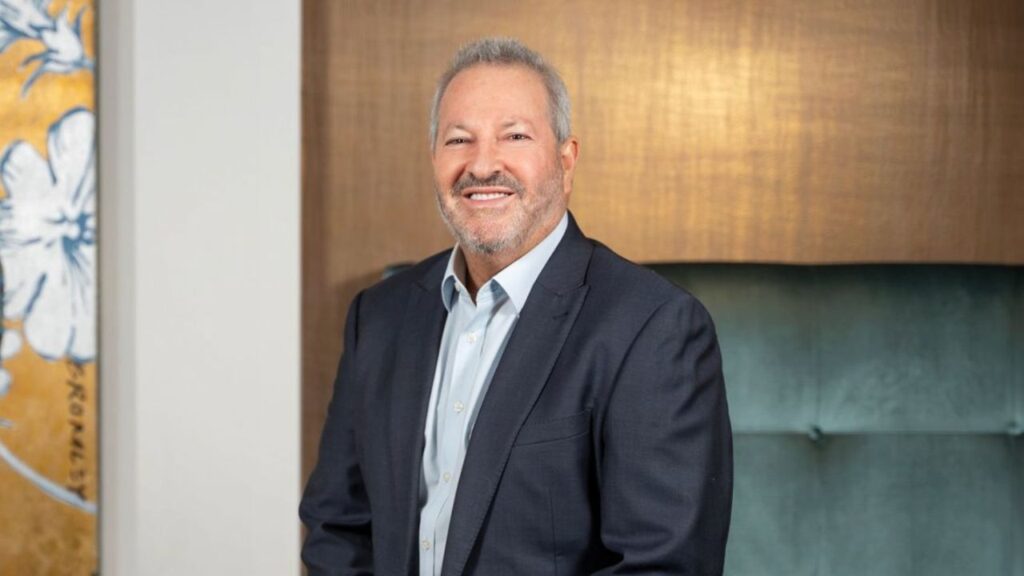
A US-born industry veteran who has led Melbourne-based Fletchers as Director & CEO for 18+ years, overseeing its transformation into a leading multi-office network. Also an author and keynote speaker.
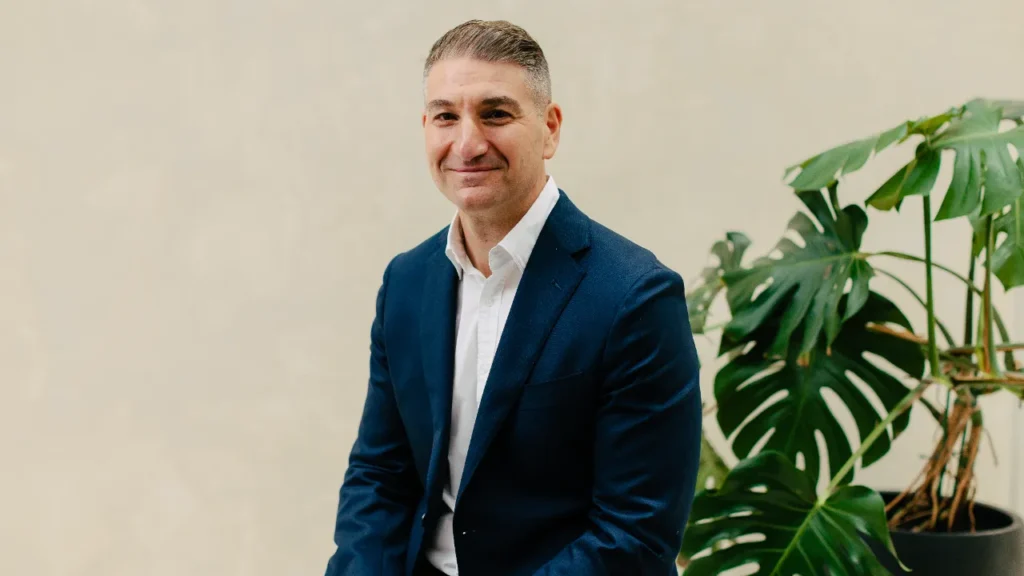
Buxton Real Estate Group: Tony Sesto – CEO
A customer-experience leader with 20+ years at brands including BMW, Honda and Marshall White. Appointed Buxton CEO in 2026, he focuses on people, trust and community for the iconic Victorian group.
With AI and prop-tech evolving rapidly, where is your group focusing its digital investments right now?
Our focus is on using technology to make our people better at what they do. We’re investing in tools that reduce friction and take away unnecessary admin, so our teams can spend more time in front of clients. Speed of service is now expected, so anything that helps our team respond faster and more effectively is important.
We’re also looking to use data more intelligently to empower our people to make better decisions and build stronger relationships. At the end of the day, it’s about making our team at Buxton more effective, not automated.
What is one piece of advice you would give to real estate businesses trying to navigate the current economic landscape?
Keep it simple. Stay focused on why you’re in the business in the first place, which is hopefully adding value for your clients and supporting your people.
Listen to your team, listen to your clients, and don’t get caught up in the noise. The businesses that succeed are the ones that show up consistently and follow through.
Lastly, don’t become too comfortable. The market is always changing, so be willing to challenge what you’re doing, find better ways of working, and adapt as the industry evolves.
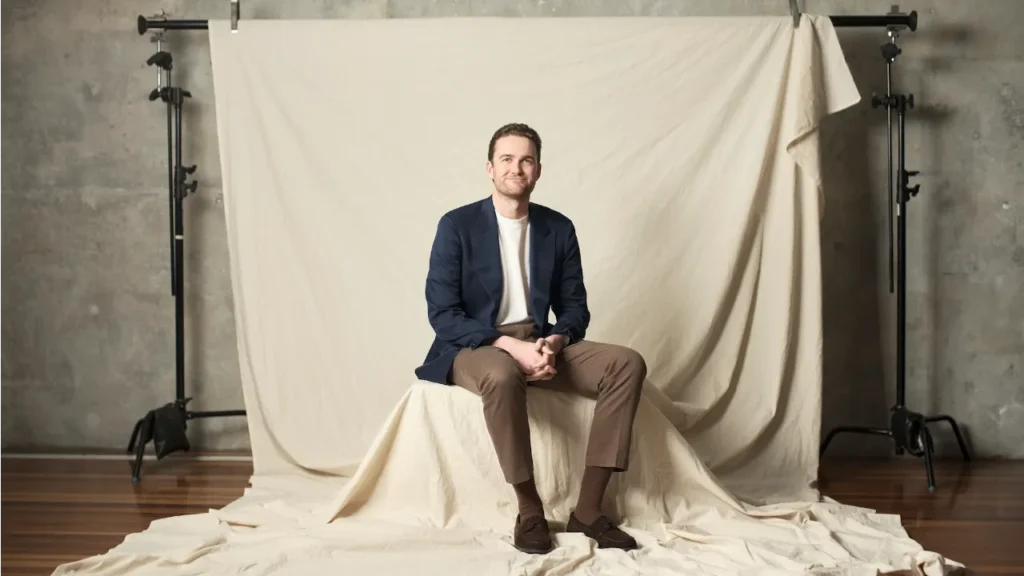
BresicWhitney: Will Gosse, CEO
A 12-year company veteran with a finance background, he rose through Director, COO and shareholder roles to CEO in 2026. He leads the Sydney premium independent brand (founded 2003 by Shannan Whitney).
What has been the biggest leadership lesson you have learned from the current market environment?
That clarity matters more than certainty. Nobody has a reliable read on exactly where this market goes next, and pretending otherwise does a disservice to the people relying on you. What our team needs from leadership isn’t a confident prediction, it’s a clear sense of what we’re focused on and why. The businesses navigating this well aren’t the ones with the boldest forecasts, they’re the ones being honest about conditions and decisive about how they respond.
What qualities do you believe will define the most successful real estate businesses over the next five years?
Brand, and the people behind it. Technology will keep levelling the playing field on data, speed and access, which means the real differentiator becomes how a business is actually experienced. Buyers and sellers remember how they were treated, how honestly a property was presented, how a difficult conversation was handled. That’s built by people, not systems. The businesses that invest in both, a genuine brand and the people who bring it to life, will be the ones clients choose to work with, and stay loyal to, over the next five years.
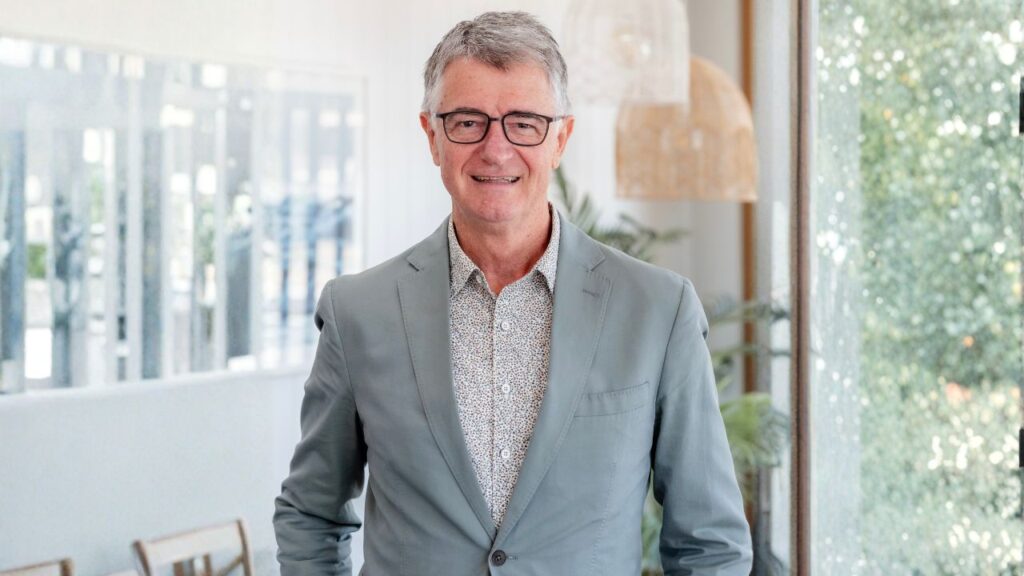
Cunningham’s Real Estate: John Cunningham – Managing Director & Founder
Founded and owns the agency (est. 1991, with his wife Ann), growing it into a leading, much-awarded Northern Beaches brand. A long-serving REINSW board member and its president in 2015.
With AI and prop-tech evolving rapidly, where is your group focusing its digital investments right now?
Our biggest area of investment is AI, with a focus on creating a fully integrated data management and analysis system that becomes our “single source of truth”.
We are currently researching proprietary platforms and experimenting with AI tools that can bring our multiple data sources into one intelligent ecosystem. The ambition is to create an AI-powered data fabric that goes beyond reporting. It will help recommend actions, model potential outcomes and support better decision-making across the business.
Ultimately, this will ensure everyone is working from consistent, reliable information while enabling us to deliver a more informed and responsive service to our clients.
What is one piece of advice you would give to real estate businesses trying to navigate the current economic landscape?
History repeats itself, although rarely in exactly the same way. Ultimately, “what got us here won’t get us there”. Learning from the past can help inform the future, but the present never remains the present for long, so businesses need to start planning for the next shift now.
At the same time, navigating a downturn requires an upturn in service, particularly across three areas: observation, initiative and creativity. Pay closer attention, anticipate what clients need and do the things others cannot be bothered doing, or have not yet worked out how to do.
That is what will help a business navigate current conditions and prepare for what comes next. The strongest businesses do not simply wait for the next market shift. They help create it.
Marshall White: Simon Jovanovic – CEO
Leads the prestige Melbourne group (founded 1964) of nine privately owned offices and 350+ property professionals.
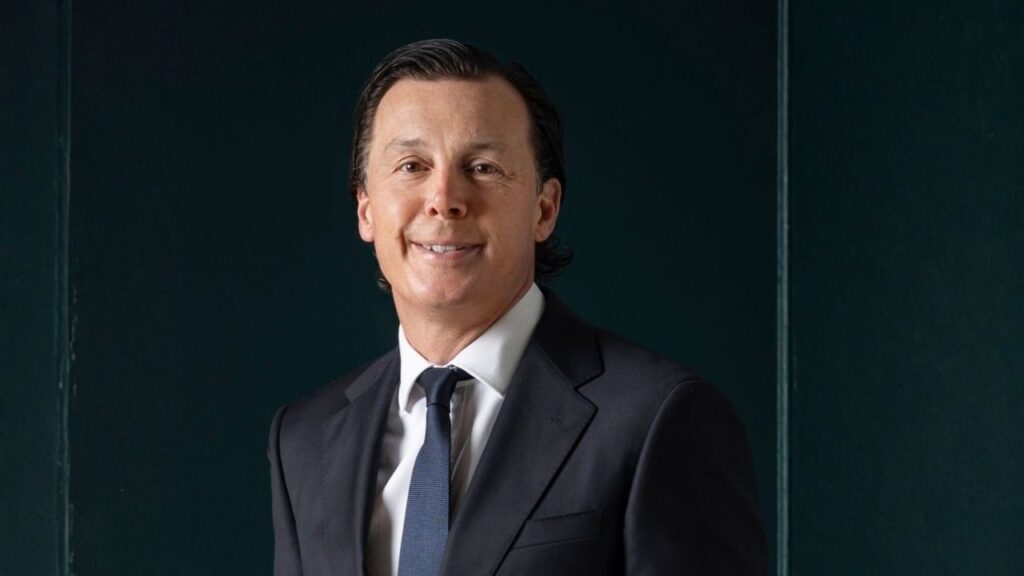
Kay & Burton: Nathan Jones – CEO
Joined Kay & Burton as CEO in 2023 after a decade as Buxton CEO, with earlier senior roles at Macquarie Bank and NAB.
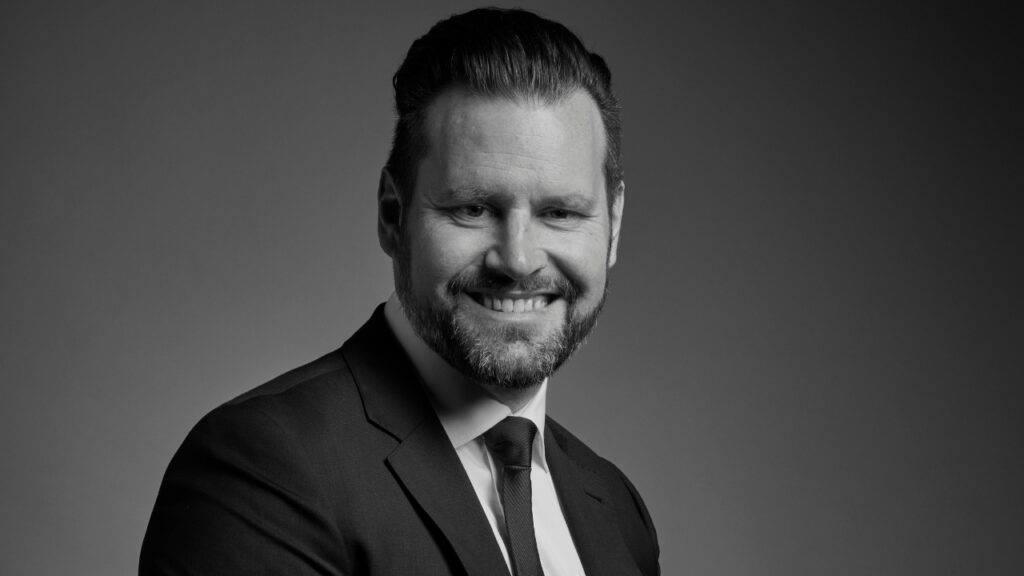
PPD (Phillips Pantzer Donnelley): Jason Pantzer – Co-founder / Principal
In the last financial year, Jason personally negotiated 107 deals, translating to around $220,000,000; with a clearance rate of 98.2%. He is also the managing partner of the business which transacts around 450 deals per year and runs a successful property management department.
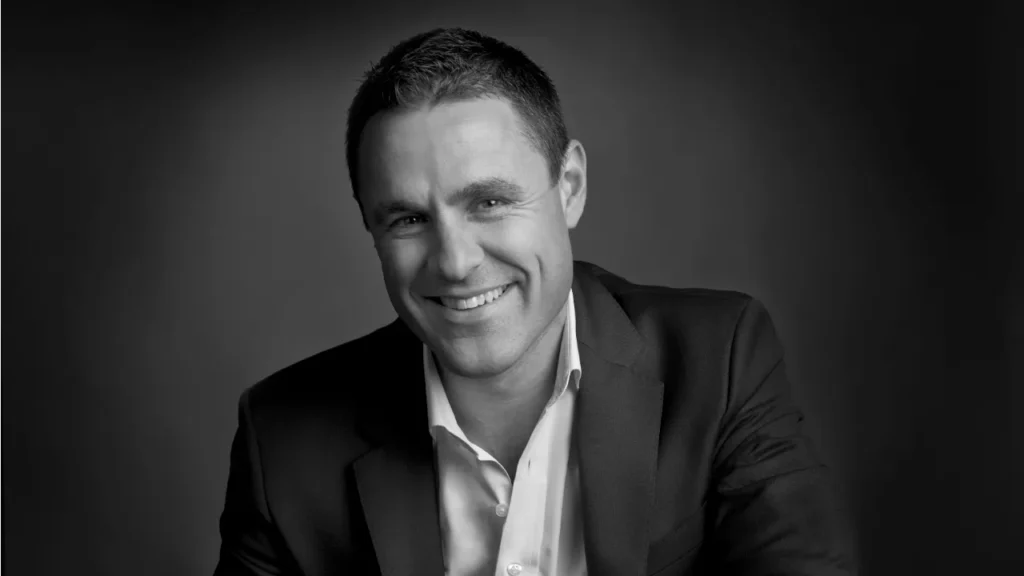
What is the single biggest consumer demand shift you’ve noticed in the property market over the last 12 months?
Over the past 12 months, as rates increased, investor demand decreased and since the new legislation passed, investor demand has fallen off a cliff. In saying this, weekly rents are increasing meaning yields are on the way up, this will hopefully bring investors back to the market
What is one piece of advice you would give to real estate businesses trying to navigate the current economic landscape?
Think out of the square a little. The default of an auction programme is not necessarily the best strategy. In an uncertain market, I am an advocate of expressions of interest and private treaty campaigns. The economic landscape is volatile, but real estate Is not rocket science, so trust the process, provide honest and transparent advice, and be patient as the market will turn.
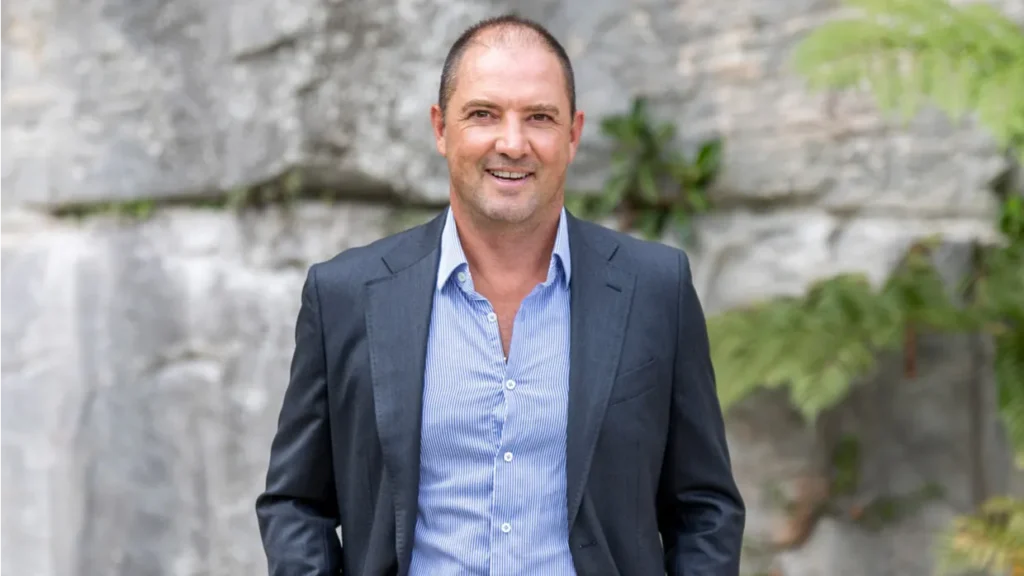
CobdenHayson: Director and Co-Founder, Matthew Hayson
Danny Cobden, from a commercial background including CBRE in Jakarta and Hong Kong, bought a Balmain agency and rebranded it CobdenHayson in 2005 with co-founder Matt Hayson.
What has changed most in what buyers and sellers want from the property market?
The biggest shift we’ve seen is a significant decline in buyers’ appetite to take on major renovations. Buyers are still happy to add value and undertake cosmetic improvements, but they’ve become far more cautious around properties requiring substantial works. Rising construction costs, council delays, planning uncertainty, and the potential for neighbour disputes have all changed the risk equation. Increasingly, buyers are placing a premium on properties where the hard work has already been done, or where the pathway to improvement is relatively straightforward.
What should real estate businesses be doing now to navigate the economic uncertainty ahead?
My advice would be to run a very disciplined business through this cycle. Watch your outgoings, protect your margins, and don’t build your cost base around the assumption that market conditions will quickly improve. At the same time, stay incredibly close to your salespeople. Keep reviewing what buyers and sellers are actually doing, evolve your selling strategies accordingly and make sure your team is adapting with the market rather than waiting for the market to adapt to them. Every market cycle creates opportunity, but in tougher conditions, disciplined and adaptable businesses tend to take market share.
Area Specialist: Michael Choi, Founder
He started in real estate in 2006 and was named Sales Consultant of the Year four years running before becoming a principal and founding Area Specialist in 2017. His agent-centric model lets top agents run their own branded business while keeping 100% of commission, with the company handling admin, branding, tech and lead generation
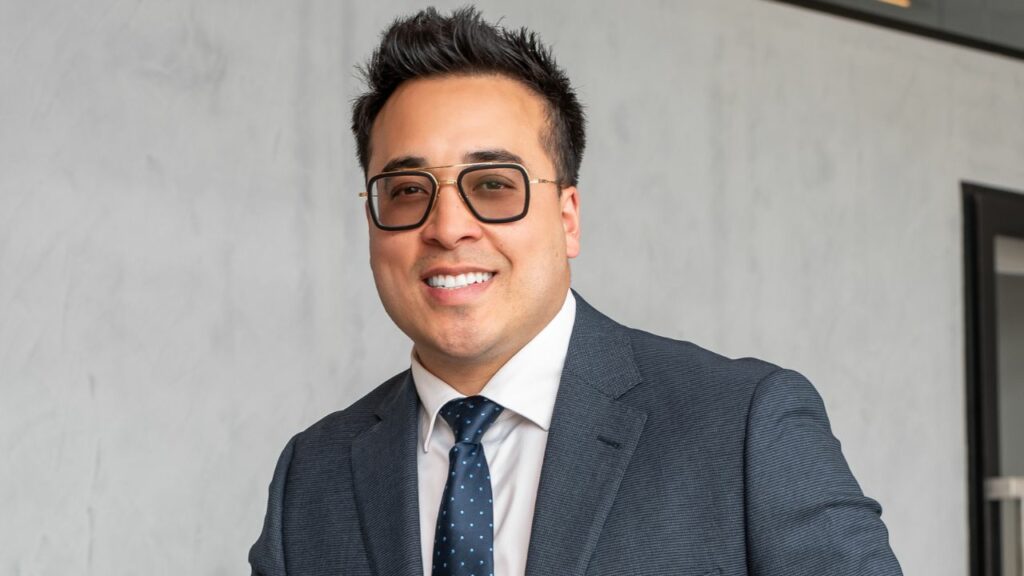
What is the biggest shift you’ve noticed in the property market over the last 12 months?
Seeing more agents become their own boss as they realise the rising cost of living and the obsolete model they work in. And automating all repetitive tasks so that our people can be people to people.
What is one piece of advice you would give to real estate businesses trying to navigate the current economic landscape?
The client isn’t the public, it’s the agent, so everything you do, create, improve is about this client.
Besser & Co: Dion Besser, founder and CEO
With nearly two decades of experience across Melbourne and London, he founded and leads the boutique South Yarra and bayside agency and is also its principal auctioneer.
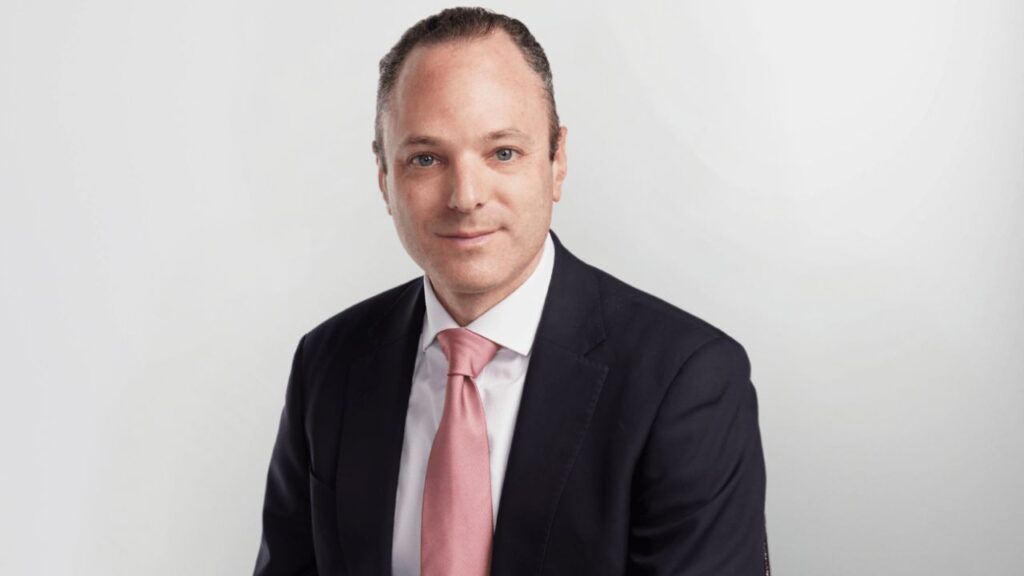
With AI and prop-tech evolving rapidly, where is your business focusing its digital investments right now?
Our focus is on leveraging technology to enhance the customer experience and improve operational efficiency, rather than replacing the human element of real estate. We’re investing in AI-powered systems that streamline administration, enhance communication and allow our team to spend more time advising clients and building relationships. We’re also focused on improving our data and CRM capabilities so we can deliver more personalised, timely and relevant interactions throughout the customer journey.
What is one piece of advice you would give real estate businesses navigating the current economic landscape?
Stay close to your clients and even closer to your people. In uncertain markets, it’s easy to become reactive, but the most successful businesses remain focused on relationships, culture and long-term strategy. Continue investing in professional development, stay informed about industry trends and be willing to adapt as consumer expectations evolve. Businesses that communicate clearly, embrace innovation and maintain a strong service mindset will be well-positioned regardless of market conditions.
X Commercial: Daniel O’Brien – Chief Executive Officer
Leads a fast-growing commercial-only network founded in 2021. A commercial specialist who has acted for clients including Coles and McDonald’s.
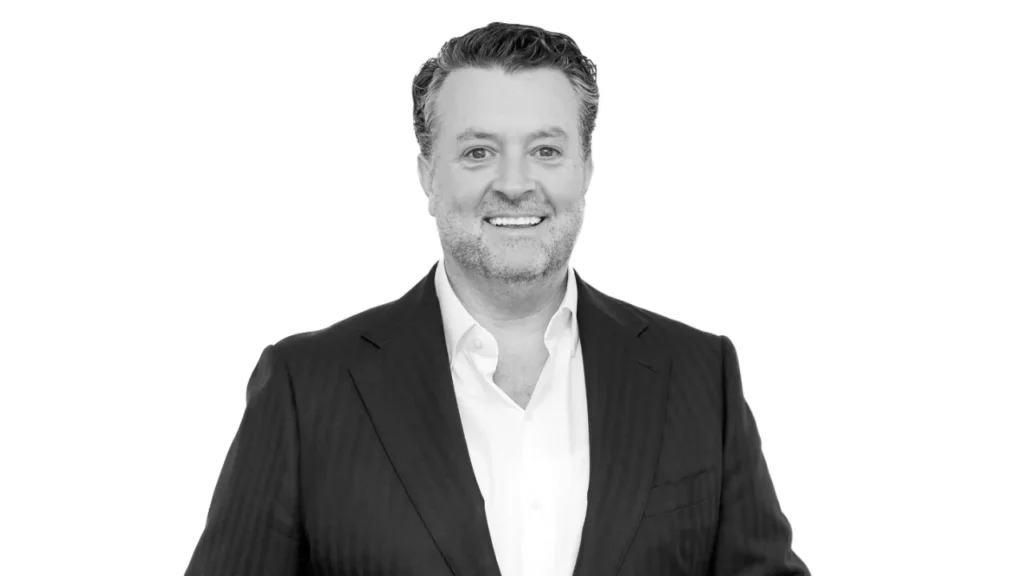
What are consumers demanding from property that they weren’t 12 months ago?
The biggest shift I’ve seen is landlords wanting active rather than passive Asset Management. Tenants are more discerning about space quality and flexibility, and that’s pushed owners to demand real performance from their managing agents, not just someone collecting rent and forwarding invoices. It’s raised the bar on what ‘good management’ actually looks like, and franchises or agencies that can’t demonstrate real value-add are getting squeezed out.
How is your group deciding where to invest as AI and proptech reshape the industry?
We’re focused on AI tools that give our asset managers their time back, automating the reporting and admin grind so they can spend more hours on the relationships and judgment calls that actually retain clients. We’re rolling this out in tiers, starting with what we can build natively into our existing property management platform before layering on more sophisticated tools. The goal isn’t replacing people, it’s freeing them up to do the parts of the job that actually matter.
Whether they lead a national franchise, a boutique independent or a rapidly expanding network, Australia’s real estate CEOs are remarkably aligned on one point: success in the next phase of the market will be earned, not inherited.
Across every response, common themes emerged. Trust has become a competitive advantage; AI is being embraced as a tool to amplify people rather than replace them and leadership, culture and adaptability are increasingly seen as the qualities that will determine which businesses thrive through changing conditions.
While market cycles, regulation and technology will continue to evolve, the message from the industry’s leaders is consistent. The businesses that invest in their people, embrace innovation with purpose and remain relentlessly focused on delivering value to clients will be the ones shaping real estate’s next chapter.