
The playing field has shifted, and commercial property has suddenly landed a major competitive advantage over the residential sector.
While residential investors contend with a landscape where negative gearing has been stripped from established properties, the commercial playbook remains remarkably untouched. For high-income earners looking for substantial tax deductions, this regulatory distinction makes established retail and industrial assets an incredibly enticing alternative.
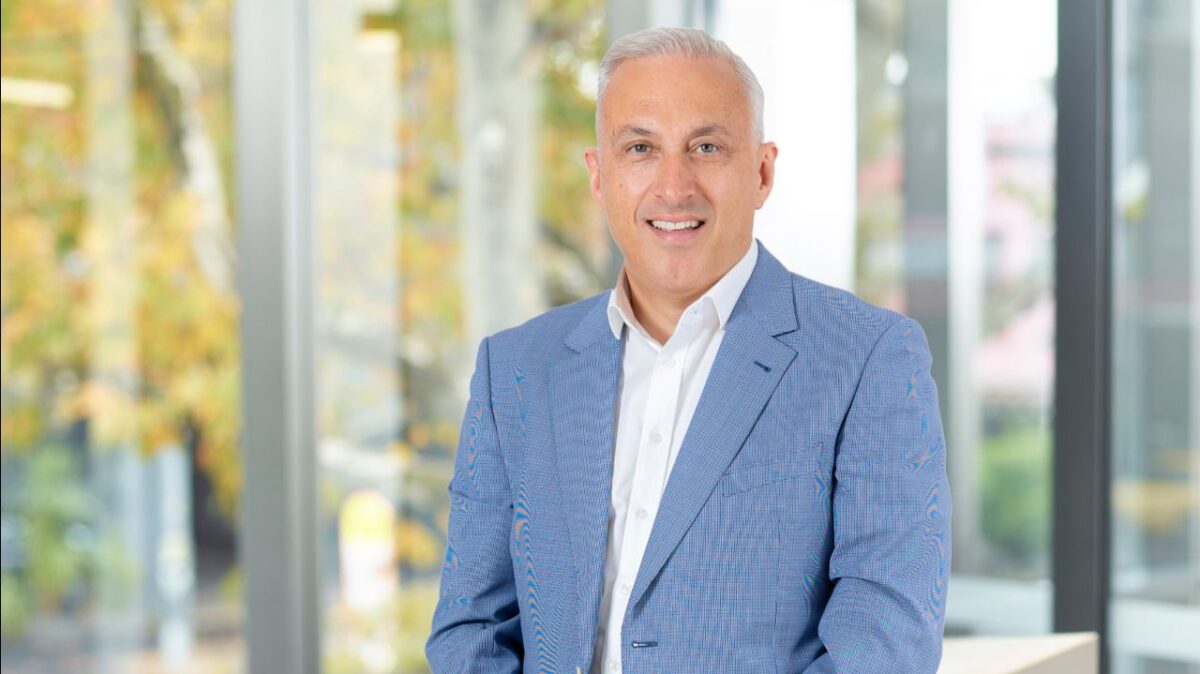
“Commercial hasn’t really changed at all,” explains Mario Butera, Director and Auctioneer at Woodards Northcote.
“With residential, they’ve taken negative gearing away from established properties, but commercial hasn’t been affected. If you have a loss in any given year, you can still negatively gear it, which means you take that loss straight off your earnings.”
As investors become increasingly cautious about residential restrictions, he says this distinct tax advantage is drawing fresh eyes back to commercial listings.
“Because you can still continue to negative gear commercial properties, that little retail shop on High Street becomes a lot more attractive, especially if you’re a high earner.”
Yet, despite the tax advantages for buyers, he warns that passive investor appetite is facing a steep hurdle in the form of stagnant growth and aggressive holding costs, particularly land tax.
“The commercial market is very difficult right now, and there has been very little appetite for a while,” he admits.
“There is so much volume available in retail and office, compounded by the work-from-home trend, that the demand just isn’t there. It takes a long time to lease a property out, and it takes a long time to sell it. If anything, capital growth has actually come back.”
A massive part of the strain comes from Victoria’s retail leasing laws, which prevent landlords from passing land tax onto retail tenants. He highlights a medical retail property his team manages, where the rent is $175,000 a year but the land tax is a heavy $35,000.
“And you cannot pass it on to the tenant,” he says. “When you think about a building that might be worth $3.5 million returning $175,000 but $35,000 of it goes directly to land tax, it takes your net return down to $140,000. If an investor expects a 5-6% yield, that unpassable tax suddenly drops the property’s value down to approximately $2.4ml to $2.8ml”
This yield crunch explains why the sales market is currently being carried almost entirely by owner-occupiers rather than passive investors.
Mario also points out that commercial real estate holds a unique structural advantage for these buyers, stating that “in a self-managed super fund, you can occupy your own commercial property, whereas you can’t occupy your own residential investment.”
For a business owner looking to invest half a million dollars into a premium fit-out, buying their own building provides vital long-term security.
“The appetite from owner-occupiers is still there,” he says. “There’s just no appetite from passive investors because the immediate return is poor and the growth isn’t there right now.”
This dynamic drastically shifts how agents should value assets based on whether a lease is active.
“When a building has a lease, the terms of that lease derive its current value,” he explains.
“Investors want at least a 7% return on their money today. What we say to owners is: if you’re not in a hurry to sell, ride out the wave until the lease expires, and then put it on the market to sell to an owner-occupier.”
He points to a unique renovated office building in Victoria St Abbotsford that sat on the market for nine months as an investment listing, only to instantly reignite interest at $1.5ml plus once marketed to the owner occupier pool.
For property managers and commercial agents managing existing portfolios, this climate demands a total shift in focus toward ultimate tenant retention.
“Landlords have to focus heavily on tenant retention right now because of the sheer amount of competition out there,” he advises. “Once you lose a tenant, you might not find another one for a very long time. You need to maintain occupancy by actively spending a bit of money to assist them.”
In long strip shops where vacancies are high, landlords are having to become incredibly flexible, offering incentives, fit-out contributions, and shorter introductory terms.
“New incoming tenants might ask for a single year,” Mario says. “We try to get them on at least a two-year lease so they can see whether the business survives, but taking a straight five-year commitment is too risky for most tenants right now.”
He warns that landlords who refuse to adapt will suffer, reminding agents that “you can’t beat the market. The market is always stronger than all of us.”
Ultimately, keeping a commercial asset profitable comes down to proactive maintenance and treating tenants as genuine business partners rather than just a source of rent.
He encourages landlords to stop ignoring long-term building issues like leaking roofs, faulty air conditioning, or exterior graffiti.
“How long can a tenant realistically run a business with a leak in their shop?” he asks.
“They get frustrated, and the landlord down the road will lure them away by saying, ‘Come to my building, I’ve got a brand-new roof and working air conditioning.’ By looking after them, not only are you retaining your tenant, but you are actively improving the look and value of your asset. What do they say? Happy wife, happy life. Well, a happy tenant means a happy investment. Keep it practical.”
While local capital growth has plateaued, this softer period has unexpectedly turned Melbourne into a prime value play for interstate buyers and Mario reveals that his office is fielding a growing number of calls from Sydney and Brisbane buyers looking south.
“Compared to Sydney, Melbourne looks incredibly cheap because we haven’t had that same massive spike in growth,” he says.
“Because our market is softer, interstate buyers see genuine opportunity. They are happy to accept a slightly lesser immediate return if they can see the long-term potential, because we won’t stay stagnant forever- things will have to move.”