
The data says the Sydney property market is freezing over: interest rates are pinned at a bruising 4.35%, buyer traffic has plummeted by 16.3% year-on-year, and the average time a home sits on the market has ballooned to 37 days.
But on the ground, new data from BresicWhitney reveals a bizarre, parallel reality is playing out.
While a cautious layer of the market hesitates, serious buyers are simultaneously panic-buying premium homes in under five hours.
In Leichhardt, a buyer inspected a property at 3pm and exchanged contracts at 7:30pm the same evening. In Rozelle, a home had its first inspection at 12:30pm and exchanged by 8pm that night. It is a whiplash dynamic that proves Sydney is no longer a simple buyers’ or sellers’ market – it has fractured into a “tri-speed” ecosystem where stagnation and hyper-speed exist side-by-side.
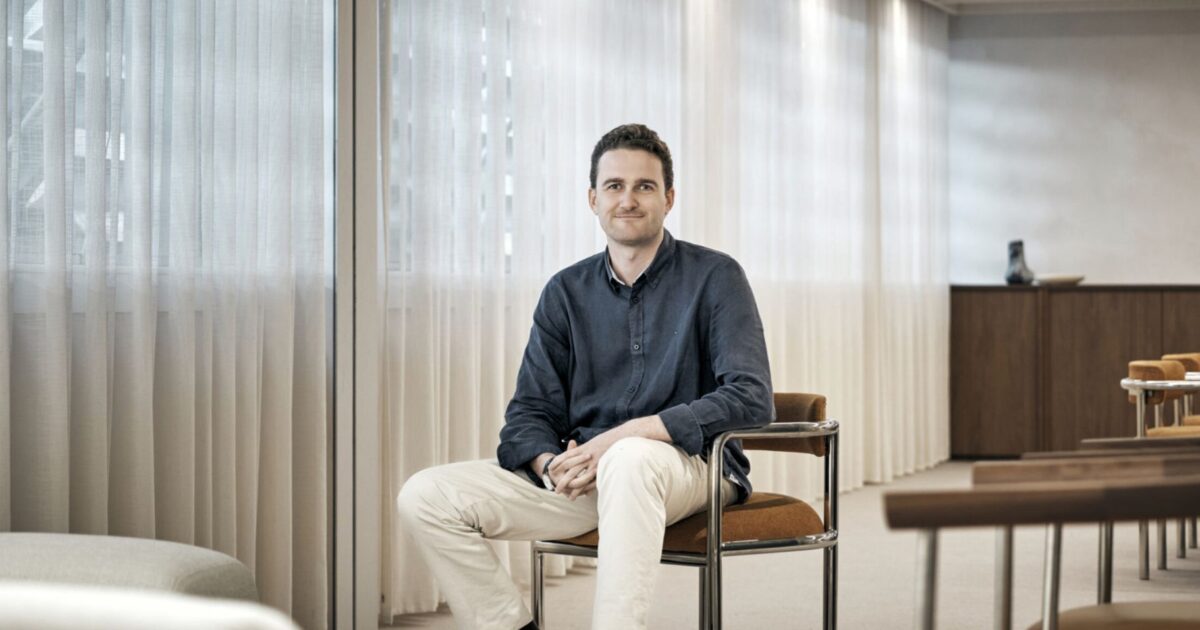
“The market has slowed, and that’s worth saying clearly,” says Will Gosse, BresicWhitney CEO. “What we’re not seeing is disengagement. Buyers are taking longer to act, but those doing so are serious. The shift is in pace, not intent.”
This divergence is rewriting the traditional property playbook, forcing a stark divide between those waiting for a Reserve Bank rate cut, unlikely before the second half of 2027, and those striking with absolute certainty. While Sydney-wide auction clearance rates finalised in the low 40s in the closing week of June, BresicWhitney defied the wider freeze with a 69% Q2 average, fuelled heavily by an aggressive undercurrent of off-market and pre-auction maneuvering.
An astonishing three in four BresicWhitney properties sold prior to auction, while a further one in five transacted entirely off-market before a public campaign could even begin and this highlights a market where serious players are bypassing the public arena altogether to secure assets before competition can freeze them out.
The Escape Hatch from a Structural Crisis
The driving force behind this relentless urgency, even in a high-rate climate, is a rental sector facing its most significant structural test in years.
Sydney’s vacancy rate is choked at 1.7%, trapped well below the 3% balanced threshold for more than two years, while apartment rents have surged a staggering 51% in under five years. For many affluent professionals, buying is no longer just a wealth-building strategy; it has become an escape hatch from a rental market where tenants are now committing a record 33.1% of gross household income just to keep a roof over their heads.
“Tenants are making decisions they wouldn’t have made two years ago – smaller spaces, longer commutes, staying in leases that no longer suit them because the alternative is worse,” said Chantelle Collin, Head of Property Management at BresicWhitney.
This gridlock is being further complicated by federal budget proposals targeting negative gearing and capital gains tax, a move that has intensely sharpened investor conversations across the city. Yet, rather than triggering a mass sell-off, the policy shift is creating a standoff of frozen inventory.
“At this stage, the impact is likely to be felt more through investor sentiment than investor behaviour,” Ms Collin said.
“The more important long-term question is whether fewer investors choose to enter the market in future.”
While Cotality’s historical analysis of twelve Sydney downturns since 1984 guarantees that a robust recovery always follows the trough, the current climate demands endurance over quick fixes. Ultimately, Sydney’s real estate narrative isn’t one of a market stopping, but rather one of deep resilience weathering a cyclical storm.
“Sydney property has absorbed a lot over the years – rate cycles, policy shifts, global shocks,” Mr Gosse said.
“What tends to remain is people’s relationship with where they live. The connection many residents have to this city outlasts the disruption that any one cycle may bring.”