
If you want to understand where property management is heading, don’t look at the systems first, look at the people.
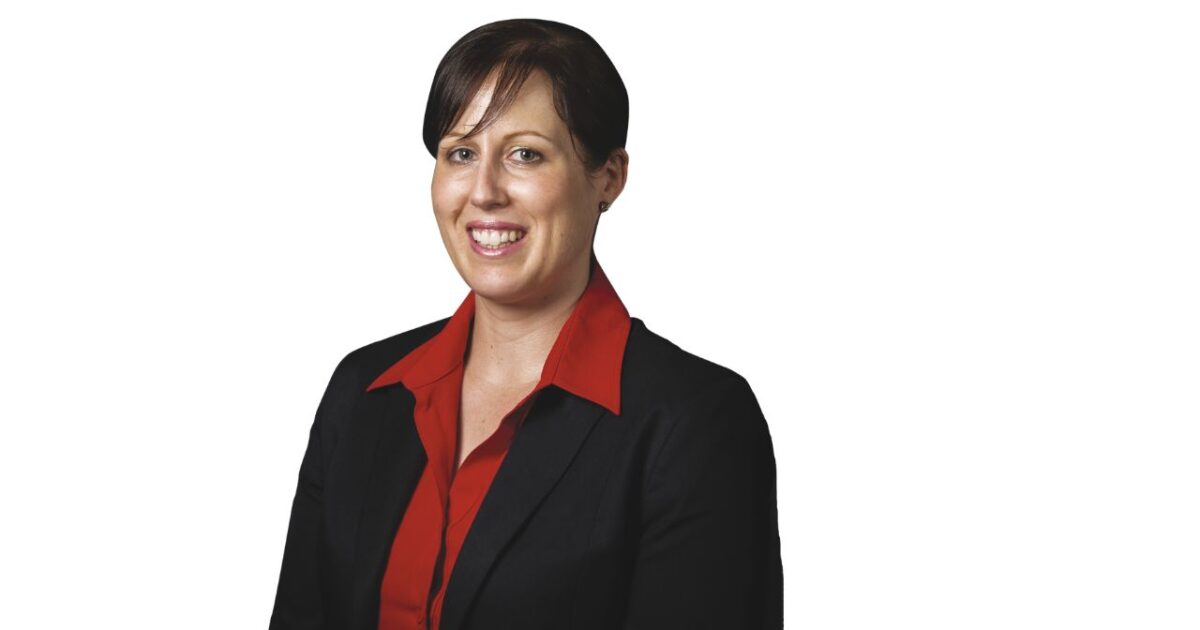
For Katie Knight, director REMAX Success in Toowoomba, that’s the difference between a department that survives and one that thrives. In an industry grappling with burnout, turnover and rising expectations, her approach is disarmingly simple: support your people properly, and everything else follows.
“You can’t tie a bow on property management at the end of the day,” Katie says.
“There’s always something mid-process… a negotiation pending, a bond claim brewing, a lease renewal in play. That can really sit on your mind.”
It’s that constant pressure, largely invisible to the outside world, that has shaped how she runs her business.
While many agencies still treat property management as the quieter cousin to sales, Katie has built hers as an equal pillar, backed by structure, flexibility and trust.
The results speak for themselves. Her team averages 14 years of industry experience, an outlier in a sector known for high churn.
There’s no weekend work and flexible hours are standard. Also, instead of working five shorter days, the team will work longer days across four days, and in return they’ll have an extra day off each week.
And perhaps most critically, her property managers are empowered to make real decisions.
“There’s nothing worse than being in a negotiation and saying, ‘I’ll just go talk to my boss,’” she says. “We give them authority to resolve things on the spot.”
Sometimes that means absorbing a small cost to avoid a drawn-out dispute.
“You might be $200 apart. From my point of view, there’s no benefit in dragging that through. Let’s solve it, support both parties, and move on.”
That kind of thinking only works, she says, when leadership stays close to the reality of the role.
“Business owners can lose touch with what it’s actually like on the ground,” she says.
“Our job as leaders is to be in the trenches with them on the tricky stuff, not just telling them what to do.”
From accidental start to industry voice
Katie didn’t set out to build one of Queensland’s most respected property management operations. In fact, she nearly didn’t enter the industry at all.
“I was supposed to go and study law,” she says. “Dad said, ‘Why don’t you defer for twelve months and help out?’ And I thought, yeah, that sounds great.”
That was 1998. Her father had just opened one of the earliest REMAX offices in Australia, and Katie stepped in on reception. Over time, she moved through marketing and into property management, where she found her fit.
“I really enjoy being of service,” she says.
“I love the problem solving… finding an outcome and thinking, ‘that’s a really great result, I’ve turned somebody around.’”
She and business partner Daniel Burrett took over the agency in 2013, bringing a complementary leadership style she describes simply: he’s the architect, and she’s the heartbeat.
That balance has been critical. Katie is quick to admit her biggest learning curve was understanding her own instincts.
“I’ve got a massive heart, and I like to see the good in everyone, but that’s not always the best thing for a business,” she says. “So it’s been about learning where to balance that.”
A piece of advice from former rugby league captain Darren Lockyer helped crystallise her approach.
“He said, ‘Don’t worry about what you have to do, worry about who you have to be.’ That really stuck with me.”
Now, she leads accordingly.
“If the team needs calm, I’ll be calm. If they need clarity, I’ll bring clarity. If they’re struggling, I’ll be reassurance.”
What’s changed most over her 20-plus years in the industry isn’t just the tools, it’s the expectation of the role itself.
“The biggest shift is that property management is less admin-focused and more advisory now,” Katie says. “People want guidance. They want someone to help them navigate their investment.”
Technology has enabled that shift, but it’s also raised the bar.
“There’s no ‘the cheque’s in the mail’ anymore. Everything is transparent, and it needs to be done now.”
Katie embraces that reality, but carefully. New platforms and AI tools are trialled with senior staff before wider rollout.
“It’s a great assistant, but you can’t rely on it. You still need human judgement.”
That human element is also what underpins her focus on mental health, an area she believes the industry is only just beginning to take seriously.
“People don’t always see the level of responsibility property managers carry,” she says. “If something’s missed, it sits with them.”
To counter that, her business has invested in mental health first aid training, external coaching, and additional leave designed specifically for wellbeing.
Her team receives six extra “inspiration days” a year.
“It’s about giving people time to reset in a way that actually matters to them,” she says.
The business also works closely with community organisations to support tenants in financial distress, helping stabilise tenancies and reduce conflict.
“If we can access funding to help someone stay in their home, that’s a better outcome for everyone, including the property manager handling the situation.”
When property management becomes personal
For all the systems, structure and strategy, it’s a single moment that best captures why Katie has stayed in the industry.
A family arrived in Toowoomba after falling victim to an online rental scam. They had paid months of rent upfront, thinking they had secured a home, only to turn up on moving day to find another tenant already living there.
“They were beside themselves,” Katie says. “They had two young kids, a truck full of furniture, no house, no jobs lined up. They’d moved for a fresh start and everything had just unravelled.”
With nowhere to go and tensions rising, they walked into the office looking for answers.
Katie didn’t just explain what had happened, she started solving it.
“I said, right, we need to get your stuff off the truck first, because you’re going to start getting charged,” she says. “So I rang around, found a storage shed through another agency and said, ‘I’ll pay for it, we’ll sort it out later.’”
From there, she contacted a local support organisation to secure emergency accommodation over the Easter period, while also helping the family stabilise enough to start again.
As she worked through their situation, another complication emerged.
“They had a default on their history, which is why they’d gone down the private path in the first place,” she says. “So I said, ‘Look, if I’m going to help you, I need you to be upfront with me.’”
Katie then guided them through a tenancy skills course and advocated on their behalf to secure a Department of Housing head lease.
The result was not just housing, but stability.
“They turned out to be phenomenal tenants. Absolutely no trouble at all,” she says.
Looking back, it’s the turning point that stays with her, not the process.
“I just remember thinking, what would have happened to that family if no one helped them?” she says. “They had no support network here. They were under huge stress. It could have gone a very different way.”
It’s that intersection of pressure, responsibility and human impact that defines property management for her.
“I love being the difference in people’s lives,” Katie says. “That’s what gives me the buzz.”