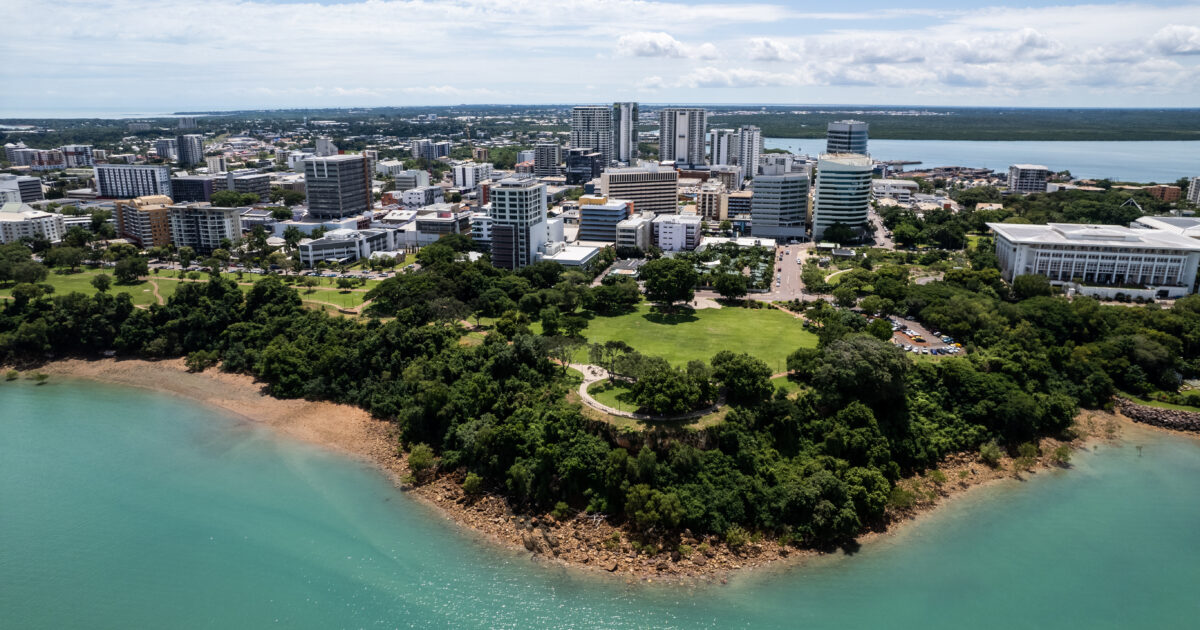
Australia’s rental market remains in a state of high tension as new data reveals a national vacancy rate of just 1.2% for April 2026. While the national figure rose slightly from 1.0% in March, there is a burgeoning crisis in the North, where Darwin’s rental inventory has effectively vanished.
In a staggering shift, Darwin has become the tightest rental market in the country according to SQM Data, with the city’s vacancy rate falling to a mere 0.3%, leaving only 75 dwellings* available for the entire population. This extreme scarcity has driven a massive 11.3% annual increase in rents, the second-highest growth rate among capital cities.
National snapshot: a landlord’s market
Despite a moderate rise in available stock to 35,258 dwellings, the national landscape continues to heavily favour landlords. National asking rents have surged by 7.3% over the past 12 months, with the average national combined rent now sitting at $696.94 per week.
Vacancy Rates by Capital City (April 2026)
| City | Vacancy Rate | Available Dwellings |
| Sydney | 1.3% | 9,696 |
| Melbourne | 1.5% | 8,079 |
| Brisbane | 0.8% | 2,900 |
| Perth | 0.6% | 1,138 |
| Adelaide | 0.7% | 1,117 |
| Canberra | 1.4% | 873 |
| Hobart | 0.5% | 140 |
| Darwin | 0.3% | 75 |
The Pivot to Units
The data also highlights a growing trend toward medium-density living as house rents become prohibitive. While house rents rose 0.5% for the month, unit rents jumped 0.8%, indicating sustained demand for apartments and townhouses.
Hobart remains a primary example of this affordability squeeze, recording a massive 15.2% annual rent increase despite a minor uptick in vacancies.
Louis Christopher, Managing Director of SQM Research, warns that the modest rise in vacancies offers little relief to tenants.
“While the national vacancy rate has risen modestly over recent months, rental market conditions remain extremely tight by historical standards, particularly in cities such as Darwin, Brisbane and Perth,” Christopher said.
“The renewed rise in asking rents, now up 7.3% nationally over the past year, highlights the ongoing imbalance between rental supply and tenant demand across much of the country.
“With regard to the impeding property tax changes, we have previously done rigorous modelling on a pullback of negative gearing scenario,” he said.
“While I have no doubt in my mind this change is going to put additional pressure on the rental market, the time for talking is now over. We will soon see actual data come through”.
Without a “sustained lift in housing supply,” Mr Christopher predicts that affordability pressures will remain a defining crisis throughout the remainder of 2026.
We are recording very limited rental availability in several capital cities, which is continuing to place upward pressure on rents despite some modest increases in listings … rental affordability pressures are likely to remain a major issue throughout 2026.”
*In Darwin, only 75 residential properties were advertised online for three weeks or more as of the end of April.