
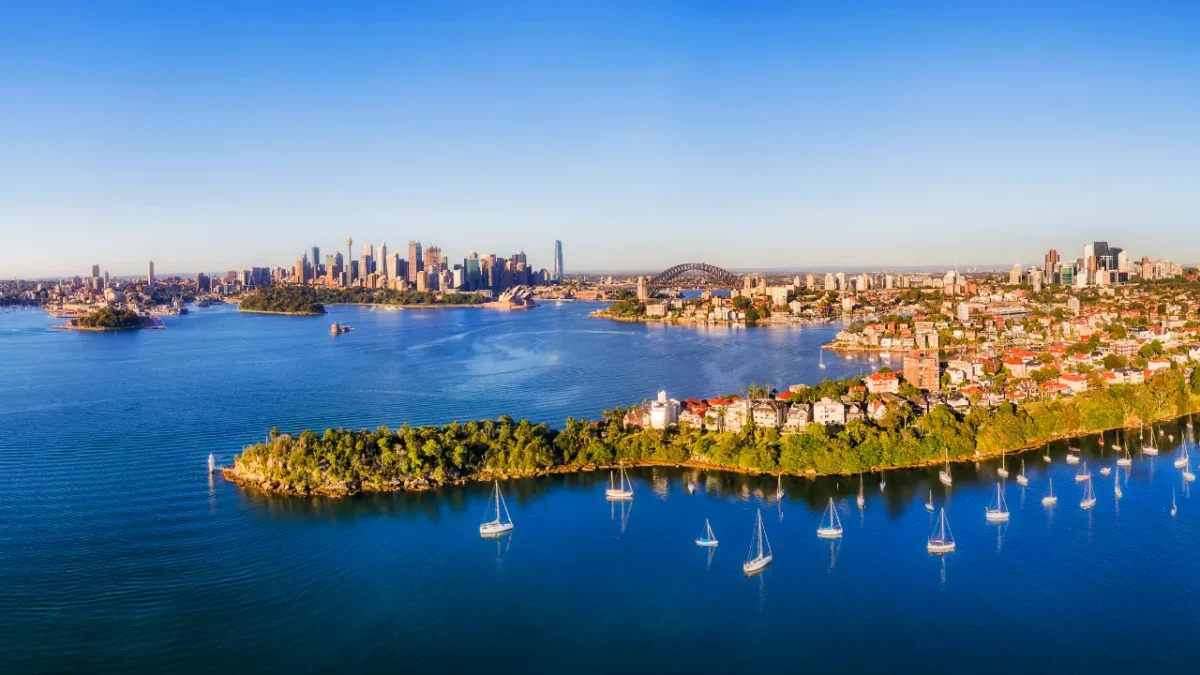
Australia’s remarkable three year property expansion has officially run out of steam, with fresh data confirming the first combined capital city price drop since late 2022 and setting up a fundamentally altered operating landscape for real estate professionals nationwide.
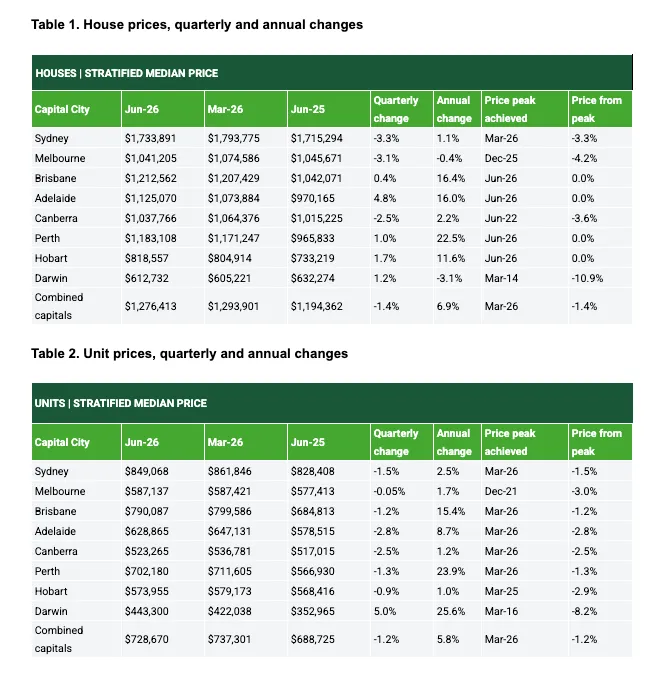
According to Domain’s June Quarter 2026 House Price Report, national combined capital house values contracted by 1.4 percent, representing a median drop of $17,489, while unit prices dipped 1.2 percent ($8,631).
The figures signal a definitive end to the longest uninterrupted growth cycle seen in more than a decade, giving way to a multi speed market defined by buyer leverage, ballooning inventory, and sharp geographical divergence.
For agents, the shifts reflect a clear pivot in consumer sentiment with sustained high interest rates, compounding affordability ceilings, and shifting credit dynamics have reined in buyer urgency.
Vendors who previously held high price expectations are increasingly forced to recalibrate, as nation wide auction clearance rates slide to levels not witnessed since the height of early pandemic disruptions in April 2020.
Sydney leads downward turn
The nation’s largest housing market felt the brunt of the reset as Sydney house values fell 3.3 percent over the quarter to a median of $1.73 million, representing a drop of nearly $60,000 in three months and the city’s steepest quarterly contraction in almost four years.
Sydney units also ended two years of gains, underlining how pervasive the slowdown has become across price tiers.
Melbourne experienced similar downward pressure, with house prices dropping 3.1 percent ($33,381) and dragging annual growth into negative territory for the first time in 15 months. Canberra also tracked backward across both house and unit sectors.
While Perth maintained its position as the top annual performer, up 22.5 percent year on year, its quarterly rate of appreciation slowed to a 15 month low, signalling that even the West Coast’s blistering run is nearing its ceiling.
Adelaide takes fourth spot; Darwin units defy the trend
In stark contrast to the eastern seaboard slowdown, Adelaide produced the nation’s standout performance.
Pushed higher by tight listing volumes and relative affordability, South Australia’s capital jumped 4.8 percent over the quarter to a record $1.125 million median.
The push allowed Adelaide to eclipse Melbourne as Australia’s fourth most expensive capital city for houses.
Meanwhile, the apartment sector emerged as the clearest indicator of broad market fatigue, declining in every capital city except Darwin.
Driven by a localised push, Darwin unit values climbed 5.0 percent over the quarter, standing alone as multi year unit cycles in Sydney, Brisbane, Perth, and Adelaide cooled under diminished investor activity and cautious first home buyer participation.
Industry implications: negotiating power shifts to buyers
Domain Chief of Research and Economics, Dr. Nicola Powell, said that market conditions are no longer moving in unison, requiring real estate operators to tailor their local pitch carefully.
“Three months of data confirm that higher interest rates, affordability pressures and weaker confidence are changing buyer behaviour and bringing the broad-based growth cycle to an end,” she said.
“Australia is no longer moving as a single housing market. Sydney, Melbourne, Brisbane and Canberra are in decline. Adelaide continues to strengthen, and Darwin is bucking the trend in units, highlighting how local affordability, supply and demand are driving increasingly different outcomes.”
While underlying structural drivers, such as elevated construction costs, ongoing migration, and tight long term supply, continue to cushion the market against a drastic crash, short term momentum belongs firmly to purchasers.
“The unit market is providing one of the clearest signs of changing conditions,” said Dr Powell.
“Price declines across almost every capital city suggest investors and first-home buyers are becoming more cautious as borrowing costs rise and expectations of future price growth moderate. Strong population growth, limited housing supply and elevated construction costs continue to support prices, but affordability is now the dominant force shaping the market.
“Buyers have more choice, less urgency and greater negotiating power than they’ve had in several years.”