
Homeownership in Australia is not disappearing, it’s just transforming, according to new analysis.
The latest OECD data shows Australia’s combined ownership rate sits at 62.7 per cent, a figure that has held steady for over a decade and sits just below the OECD average of 70.1 per cent.
“What has changed is not whether Australians own homes, but how – and more importantly, at what cost,” Ray White Group economist Atom Go Tian said.
The traditional pathway – affordable land, accessible credit, and a mortgage paid off within a working life – has stretched considerably.
Australians are entering the market later, borrowing more relative to income, and carrying debt further into middle age.
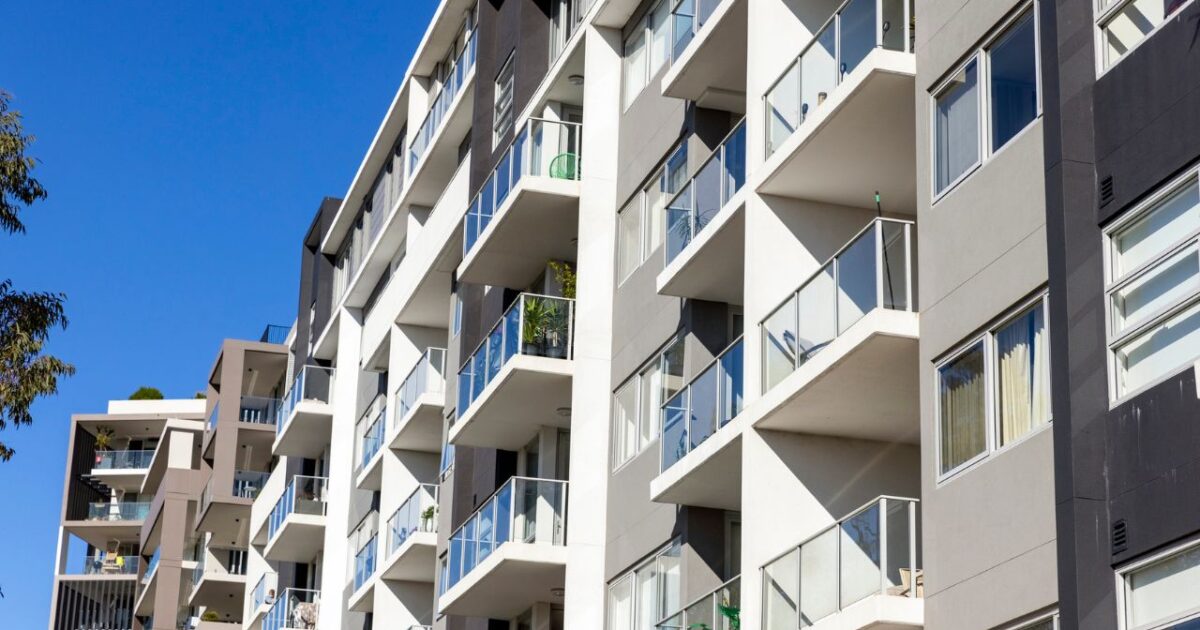
“The dream is still alive, but the quarter-acre block has shrunk to an apartment, and the finish line keeps moving,” Mr Tian said.
The analysis draws on international comparisons to illustrate how different countries have tackled housing security.
At one extreme, Romania and Croatia report the highest outright ownership rates in the OECD – 91.7 per cent and 84.3 per cent respectively – but these stem from mass transfers of state housing to tenants in the early 1990s.
The trade-off has been poor labour mobility and underdeveloped rental markets.
At the other end, countries like Switzerland and Germany built systems around long-term renting as a legitimate housing choice rather than a stepping stone.
Switzerland’s rental rate of 61.1 per cent reflects strong tenant protections and a deliberate post-war policy decision not to subsidise owner-occupation.
Japan offers perhaps the most radical alternative: residential buildings depreciate to near zero within 30 years, stripping housing of its wealth-storage function.
Tokyo issues more housing permits annually than the entire state of California, yet rents have remained flat for decades.
Australia sits alongside New Zealand, Canada, the UK, and the US in what Tian describes as the “homeownership dream” cluster – but with notable differences.
The United States has seen outright ownership climb from 21.5 to 26 per cent, aided by its 30-year fixed-rate mortgage structure that converts debt into equity on a predictable schedule.
Australia’s variable-rate mortgage culture works in reverse – every rate rise hits borrowers immediately.
“Demand-side interventions like first-home buyer grants and Help-to-Buy schemes temporarily boost individual access but inflate prices, benefiting existing owners and undermining their own goals,” Mr Tian said.
The key takeaway from the international data, he argues, is that countries with functioning housing systems built them through deliberate, tenure-neutral policy sustained over time – whether focused on ownership or renting.
“The idea of a quarter-acre block may have shrunk, but the dream of a home you can call your own does not have to,” Mr Tian said.