
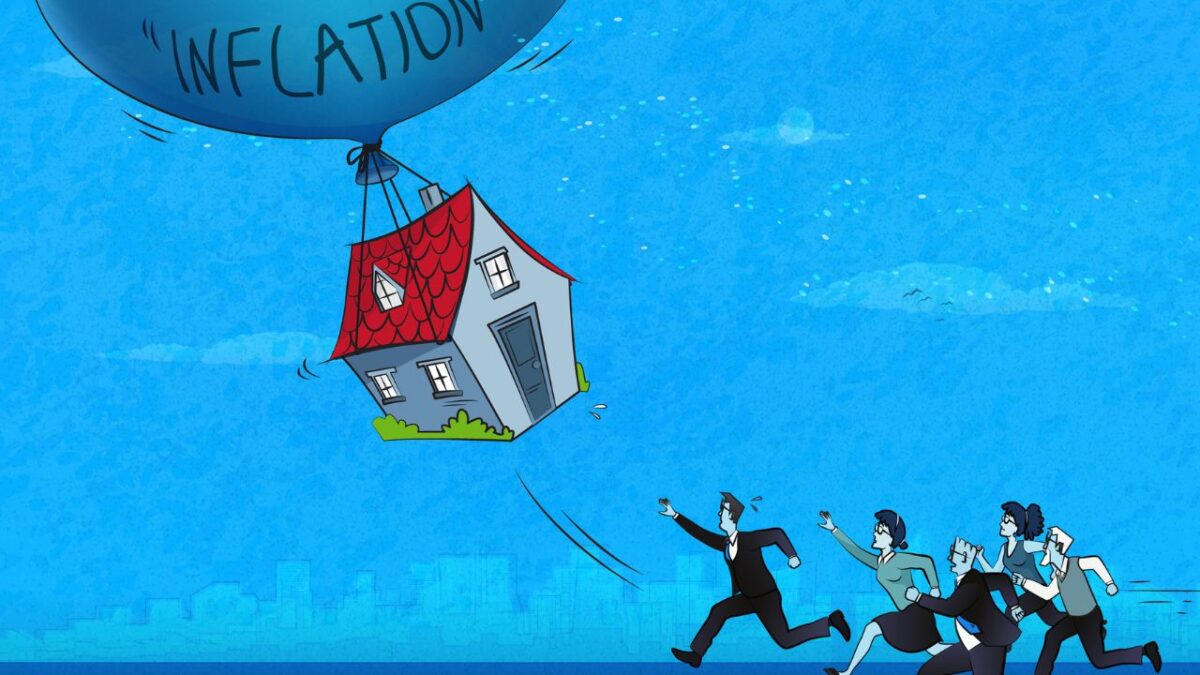
The Reserve Bank has pointed to emerging signs that higher interest rates are beginning to slow Australia’s housing market, as inflation remains elevated and global energy shocks continue to filter through the economy.
Reserve Bank Governor Michele Bullock told a Senate Economics Legislation Committee hearing in Canberra that monetary policy is now starting to have visible effects, particularly in housing conditions, although the full impact of recent rate rises is still to come.
“One of the channels through which monetary policy can often start to have an impact quite quickly is the housing market. Conditions in the housing market have eased in recent months and that partly reflects tighter monetary policy,” she said.
Ms Bullock said the easing in housing activity comes as higher interest rates are deliberately working to slow demand and bring inflation back toward target, though she cautioned the process takes time to fully flow through the economy.
“These increases have been necessary to tighten financial conditions and slow growth in demand in the economy to ensure we get on top of inflation. We’ve already seen some signs that this tightening is starting to work, though it will take around 1 to 2 years for the effects to fully flow through the economy.”
She said inflation remains too high and continues to be influenced by both domestic demand pressures and global shocks, including higher energy prices linked to conflict in the Middle East.
“The conflict has led to a sharp increase in oil and other key commodity prices. This has already pushed inflation higher through higher consumer fuel prices. We have also seen some tentative signs that higher fuel-related costs may have been passed through to the cost of other goods and services, including new dwelling costs.”
For the property sector, the reference to new dwelling costs suggests ongoing pressure on construction and development feasibility, even as demand conditions begin to soften and Ms Bullock warned that inflation risks remain elevated.
“If high inflation persists, it risks becoming embedded in price and wage-setting behaviour, particularly given the prolonged period over which underlying inflation has been above 3 per cent since the pandemic.
“That would result in more persistent inflation and would require even higher interest rates, and for longer, to return inflation to target.”
The Reserve Bank is forecasting inflation to rise further in the near term, with underlying inflation expected to remain above target until mid-2027. Growth is expected to slow over the coming year, and unemployment is projected to edge higher, although still remain below pre-pandemic levels.
Ms Bullock said investment activity remains a key support for the broader economy, particularly in sectors aligned with long-term structural demand.
“Investment has been a bright spot recently and growth is expected to continue in sectors of the economy with strong structural tailwinds, such as software, data centres and renewable energy.”