
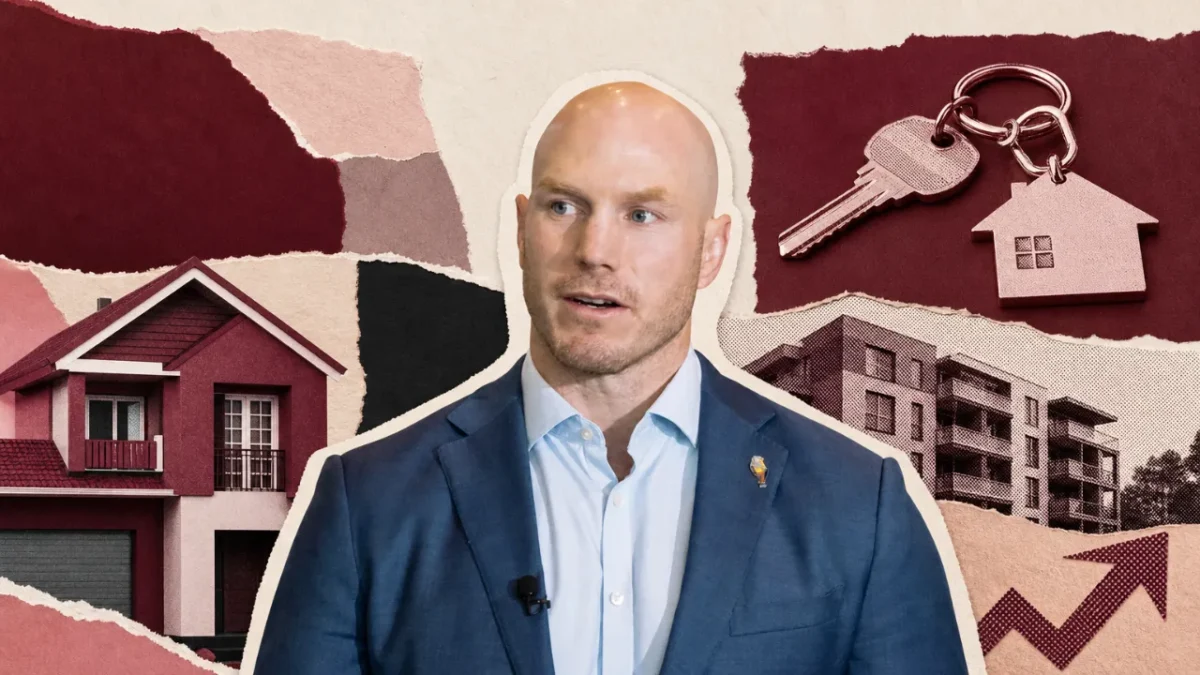
Australians who inherit an investment property from a spouse, or receive one as part of a divorce settlement, would keep their existing negative gearing entitlements under changes Labor has released for public consultation.
The draft legislation, open for feedback until August 21, is designed to fix an unintended consequence of the government’s budget changes, which restrict negative gearing to newly built homes from July 2027 while grandfathering properties bought before May 12.
As originally drafted, someone who inherited their partner’s share of a jointly owned property risked being treated as having acquired it after that cutoff, losing the negative gearing benefit that applied while their partner was alive. The same issue affected people receiving property through a divorce or relationship breakdown.
ACT Senator David Pocock first raised the flaw, telling the AFR it would “disproportionately negatively impact women.”
According to a letter from Senator Pocock to the Treasurer obtained by news.com.au, one woman going through a divorce had refinancing declined by three separate lenders despite having secured pre-approval before the legislation passed, with Senator Pocock’s letter claiming the Federal Circuit and Family Court, along with lenders, had adjusted their practices ahead of the bill taking effect.
Under the proposed fix, negative gearing status would follow the property through an inheritance or divorce settlement, rather than resetting at the point of transfer.
Labor is also consulting on an extension to the definition of a “new” home.
The qualifying window would stretch from the 12 months set out in the May budget to 24 months from the issue of a property’s occupancy certificate, giving buyers of newly built stock – and the developers selling it – longer to sell without a subsequent owner immediately losing negative gearing eligibility.
Separate carve-outs are proposed for negative gearing on established properties used for NDIS specialist disability accommodation, affordable housing through eligible community housing providers, public housing, and build-to-rent developments.
The consultation also covers a mechanism for the incoming capital gains tax changes, which scrap the 50 per cent discount in favour of an indexed model tied to inflation from July 2027. Owners of property and other hard-to-value assets held before the changeover would be able to use a formula to split gains between the old and new systems, rather than commissioning a formal valuation.
Senator Pocock welcomed the draft legislation, saying it appeared to tackle “many of the most urgent concerns” with the bill.
“However, the timing for passage of this legislation is important,” he said.
“It’s critical that lenders are able to consider preserved benefit in assessing loan serviceability in decisions they are making now and in coming months.”
That timing question matters for agents currently handling deceased estate or divorce settlement sales, where finance approval may still be assessed against the stricter, unamended rules until the legislation formally passes.
Acting Opposition Leader Jane Hume said Labor was “still trying to clean up a mess of its own making,” arguing the government had chances to fix the flaw earlier and rushed the original bill through.
Treasurer Jim Chalmers said the draft materials would ensure the tax changes “appropriately apply to a range of specific taxpayer circumstances and structures,” and that the government was continuing to finalise the reforms in “further tranches” of legislation.
Feedback on the current draft closes August 21.
In a seperate matter, Senator Pocock has introduced a private senator’s bill to better leverage land owned by the Federal Government for the supply of new affordable housing.
Senator Pocock’s bill would make it mandatory for affordable housing to be included in any residential development on Commonwealth land that’s sold or leased to private entities. This would include things like the $3 billion sell-off of 67 surplus defence sites across the country as well as the sale of the CSIRO Ginninderra site here in the ACT.
Senator Pocock said that the current federal government investment does not come close to meeting the housing need with an estimated shortfall of some 640,000 social and affordable homes.
“I commend the Albanese Government on its focus on increasing social and affordable housing supply but urge them in their second term to increase their ambition,” he said.
The bill sets a default level of 30% affordable housing for federal government land sold or leased for residential development but allows another proportion to be prescribed by regulations affording some flexibility to respond to different site types and market conditions.