
The traditional Australian dream of moving out, renting a flat, and eventually buying a freestanding home is officially buckling under economic pressure.
With the national population projected to hit 30 million by 2030 and housing supply failing to keep pace, a dramatic cultural and demographic shift is taking hold across the nation: the rise of the multi-generational household.
New data from social research firm McCrindle reveals that 65% of Australians now agree the traditional pathway to owning a home is completely broken for the next generation. The supply-demand squeeze, compounded by a forecasted shortfall of 262,000 dwellings by June 2029 has forced everyday Aussies to rethink how, and with whom, they live.
To put the crisis into perspective, Sydney’s median house price has skyrocketed to a staggering 16.7 times the average annual earnings, compared to just five times earnings in 1981.
Other capitals offer little relief, with Melbourne sitting at 10.1 times, Brisbane at 11.3, and Perth at 11 times average annual wages.
While headlines routinely blare warnings about historically low vacancy rates, industry insiders argue the problem has evolved into something far more structural.
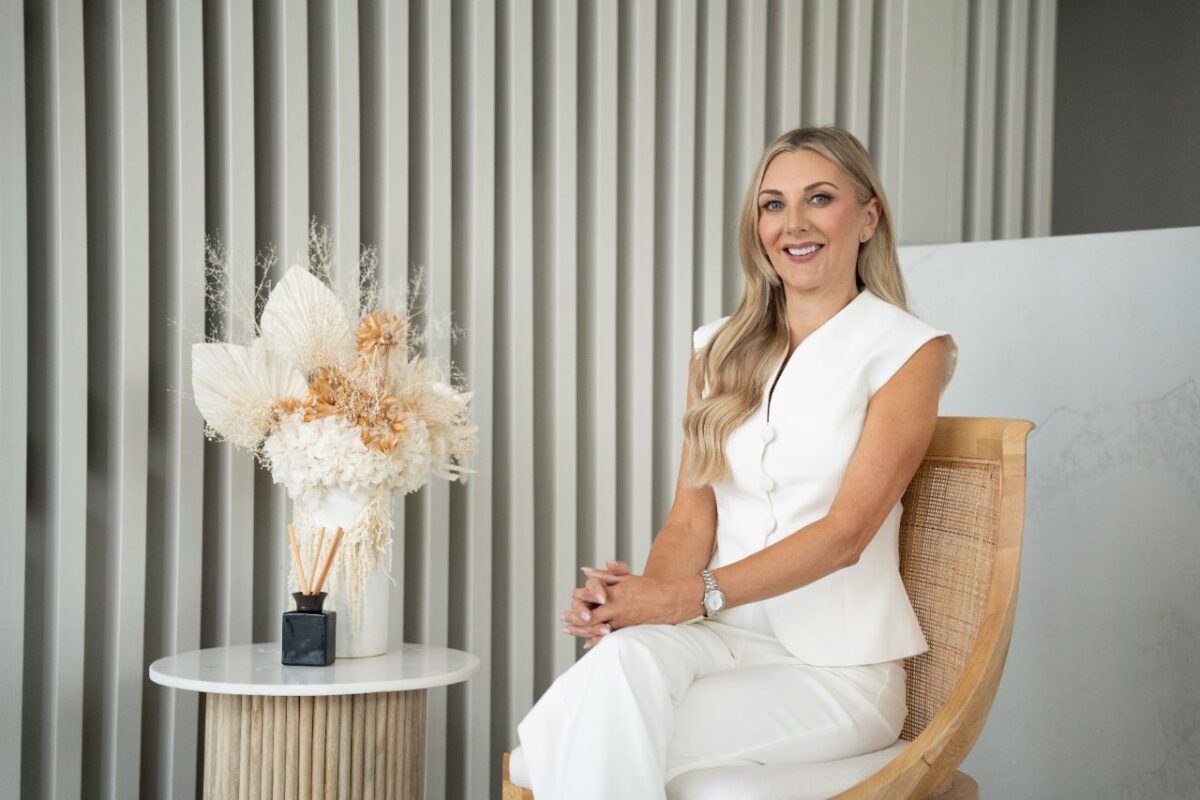
“I don’t believe we actually have a rental crisis per se anymore. It’s an affordability crisis,” says Katrina Tarrant, CEO of Urban Land Housing.
“We’ve actually pushed rents beyond people’s affordability. People in those brackets only earn so much money, and we’ve pushed rents beyond where wage growth is.”
According to Katrina, this economic ceiling is driving immediate changes in how properties are being utilised.
“They are now looking at properties to have multiple families or multiple generations live in the one property just to be able to afford the rent,” she explains.
This reality aligns closely with McCrindle’s findings, which show that 77% of Australians are highly concerned about the cost of living.
In response, 57% of the population state they are now open to or would welcome living in a multigenerational home.
Shifting layouts and high-demand designs
This isn’t just a temporary lifestyle adjustment; it is actively reshaping Australian real estate and residential architecture and properties that offer flexible layouts are now commanding a massive premium in the marketplace.
“Properties that come to market that offer genuine intergenerational living – the dual occupancy or the duplex style properties – we see the leasing times in those really diminish,” she said.
Popular configurations include:
- Dual-occupancy designs: Traditional houses paired with a self-contained granny flat.
- Studio attachments: Separate living spaces built over a detached garage.
- Zoned floor plans: Large houses engineered with separate, designated living areas so families can operate independently, anchored by a massive central kitchen where the household can gather as a community.
However, more people under one roof changes the game for property owners.
“From a landlord perspective, you have to consider wear and tear because you’ve got a higher traffic volume in the house,” she said.
Delayed independence and sacrificing space
The financial pressure is acutely felt by younger demographics. McCrindle’s data highlights a sharp rise in “delayed independence,” with the number of 19-year-olds living at home climbing from 60% in 2006 to 70% in 2021.
Burdened by student debt and priced out of the market, young adults are staying put longer, or returning to the family nest during peak family-forming years to pool resources and fast-track a deposit.
Yet, sharing a home with your parents or in-laws comes with distinct friction points; McCrindle reports that Australians remain fiercely protective of their personal boundaries, identifying a lack of privacy, lifestyle clashes, household rule disagreements, and noise as primary hurdles.
In fact, a decisive 73% of Australians state they would prefer to live in a smaller, private apartment rather than a larger, higher-quality home shared with multiple generations where privacy is compromised.
This desire for autonomy is strongest at the polar ends of the workforce: Gen Z (81%) and Baby Boomers (79%).
A cultural shift with a silver lining
Despite the hurdles, multigenerational living is increasingly viewed as a mainstream lifestyle choice rather than a desperate last resort, heavily supported by Australia’s rich cultural diversity.
McCrindle’s research shows that those who speak a language other than English at home are significantly more likely to have lived in a multigenerational home (71% compared to 39% of English-only speakers).
Katrina observes this shift firsthand in the market, noting that multiple families, such as parents and adult children, are increasingly pooling funds to co-purchase large five or six-bedroom homes.
“We are a very multicultural country, and different cultures place a lot more emphasis on families staying together and the success of multigenerational families. We are definitely seeing that shift within the suburbs,” she said.
She points to personal anecdotes, from a young 23-year-old real estate agent structuring his entire business plan around buying a home to support and live with his mother, to an elderly neighbour who recently gifted her inner-city terrace house to her 30-year-old son’s family while she moved into a newly built studio in the backyard.
“She was like, ‘My son will never own a house if we don’t help. I want his family to have the opportunity to live in a lovely family home,'” she said. “It’s certainly something to think about – I have adult children that I would consider too.”
Beyond the immediate financial relief of shared living costs, the arrangement offers a practical buffer for Australia’s rapidly ageing population.
Of course, for “sandwich generation” Gen Xers, housing ageing Baby Boomer parents under the same roof provides an alternative to a strained aged-care system, while simultaneously offering built-in childcare assistance and a powerful antidote to society’s growing loneliness epidemic.