
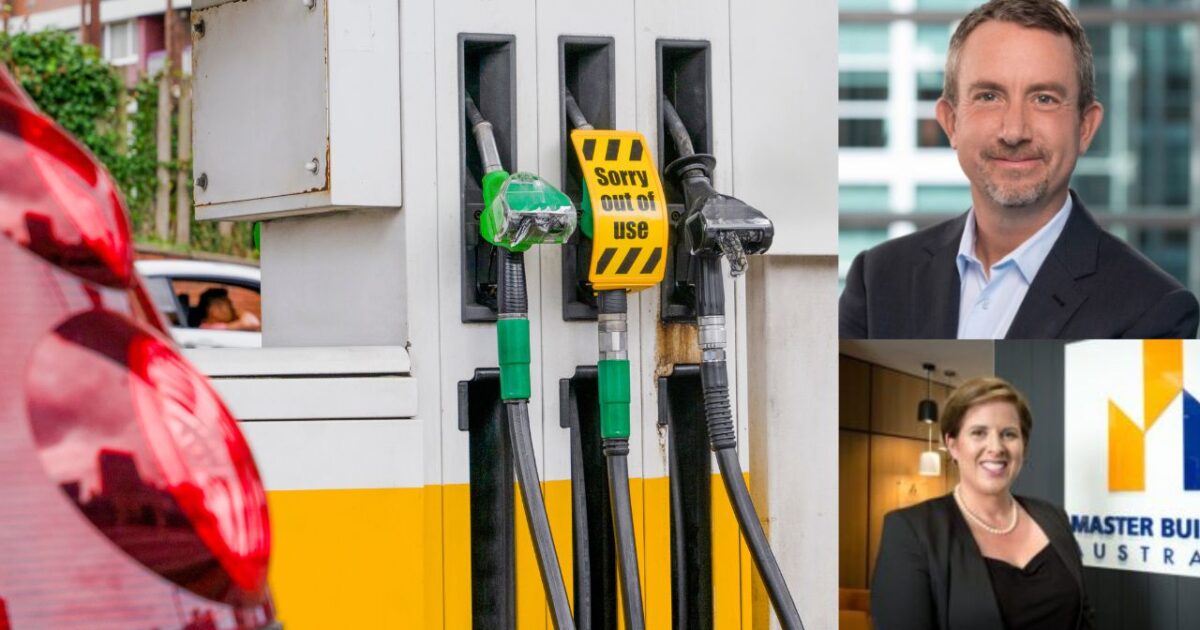
Australia woke to a fresh wave of uncertainty as the Prime Minister called an emergency national cabinet meeting on Monday to consider fuel-saving measures including public transport discounts, widespread carpooling, and voluntary work-from-home arrangements if shortages continue to escalate.
While the government stressed these steps aren’t required yet, the move highlights how quickly external pressures can spill into workplaces already managing heavy operational and emotional loads.
For the real estate industry, which relies on mobility, in-person appointments, and fast response times, this is another moment where global events collide with daily business realities.
Rising fuel prices, supply concerns, and unpredictable economic shocks are intensifying an already fragile environment for employees.
Economic pressures are already hitting industry supply chains hard. Denita Wawn, CEO of Master Builders Australia, explained the magnitude of the issue in an interview with ABC News Breakfast.
For real estate agents, these rising material and freight costs translate into slower construction timelines, delayed project handovers, and shifts in property pricing; all factors that affect listing strategies, client expectations, and market confidence.
“Well, the biggest issue, of course, is that diesel cost, and we’re seeing surcharges constantly rising each week. At the moment, it’s sitting anywhere between eight to 10 per cent over and above what they’ve been paying on freight transport.”
She points out that most builders are locked into fixed-price contracts, leaving them unable to pass on sudden cost increases.
“Unfortunately, the vast majority of building in this country is under fixed price contracts that have very limited, if none, rise and fall provisions and so, the builder has to wear those costs…we did not appreciate the escalations that we’ve seen so rapidly over the last few weeks.”
Even if geopolitical tensions ease quickly, Denita warned that the industry will feel the effects long after the headlines move on:
“We’re concerned that the longer this goes, then the longer the tail is. We saw that from COVID, the tail was literally 12 months once things returned to normal from everyone else. So, we’re wanting to keep builders informed. We want to make sure the Government is aware of the issues and that we’re learning the lessons of COVID so we don’t get into the extreme circumstances we found ourselves in COVID.”
Australians are ready to act
New research from Primara, commissioned by Airteam, shows that nearly 97% of Australians are willing to accept at least one significant measure to address the nation’s fuel shortage crisis. Half the country doubts whether reserves could withstand a prolonged disruption.
- Working from home (WFH) is the top solution, with 57% nominating it as their first choice and an average support score of 8.2/10. Roles that can be performed remotely – administration, client communications, marketing – should shift quickly to WFH arrangements.
- Public transport is the next lever, but uptake is highly price-sensitive. Making services free pushes willingness to switch from 61% to 82%. Subsidised tickets, coordinated carpooling, or hybrid schedules can support staff while keeping operations flowing.
- Air travel reductions enjoy broad support at 77%, particularly for leisure and short-haul flights, but Australians reject price-based rationing. Any operational adjustments must account for fairness and accessibility.
“Nearly all Australians are willing to reduce access. They will not accept a two-tiered system where income determines who bears the burden,” the research notes.
Generational differences also shape responses. Boomers want immediate reserve releases to stabilise supply, while Gen Z prefers solutions that start structural change toward sustainability.
Practical steps for real estate leaders
Research shows Australians aren’t waiting for permission; they are ready to adapt. Real estate leaders can act immediately to reduce stress and maintain productivity:
- Enable remote work where possible, using cloud tools and digital platforms to maintain client service.
- Subsidise or coordinate alternative transport for staff who must be on the road. Consider staggered appointments, ride-sharing, or temporary public transport incentives.
- Set clear weekly priorities to prevent cognitive overload. Knowing what matters most reduces mistakes and disengagement.
- Regularly check in on stress and workload, normalising conversations about challenges and offering early support.
- Strengthen team connection through collaboration sessions, intentional huddles, or weekly gatherings to reduce isolation for mobile staff.
- Model calm, decisive leadership. Teams mirror what they see; leaders who maintain composure in uncertain times keep operations stable.
Lessons from workplace research
Published research from Brian Elliott, workplace analyst and author, highlights how external crises amplify employee stress and burnout across high-pressure industries.
“Muting noise from outside becomes next to impossible. Add in the stress and complexities of their personal lives it’s amazing that people are still as productive as they are.”
Brian also notes that disengaged staff do not simply disappear – they stay, underperforming, which costs businesses between US$4,000 and $20,000 per employee per year. Middle managers feel the weight first, and real estate team leaders are particularly vulnerable given the need to manage listings, vendors, open homes, and team motivation simultaneously.
“Hesitant to jump in too often on the crisis of the day, chastened by lessons from the pandemic, and emboldened by having the upper hand in the job market, too many leaders have gone silent about the stresses workers face. That silence leaves employees to fill in the gaps themselves.”
His advice is this: calm, decisive, and structured leadership is the strategic advantage. Real estate teams that adapt quickly, communicate clearly, and foster cohesion in time of crisis will outperform those that wait for the storm to pass.