
The New Zealand property market hit a speed bump in March 2026, with new listings and asking prices showing signs of stagnation as economic headwinds and geopolitical tension dampen seller enthusiasm.
After showing signs of momentum in February, the market effectively “sat idle” last month. According to the latest data from realestate.co.nz, new listings saw a negligible 0.2% increase year-on-year, while actually falling 1.6% compared to February.
Nationwide, 12,055 new properties hit the market, a slight dip from the 12,252 seen the previous month.
Vanessa Williams, spokesperson for realestate.co.nz, said that the current climate is dictating a shift in participant behaviour.
“After a strong start to the year, March has shown a slight easing in market activity, which is to be expected given rising fuel costs and the ongoing war,” Ms Williams said.
Despite sellers pressing pause, buyer interest appears to remain resilient. Active users on the realestate.co.nz platform were up 19.9% year-on-year during March, suggesting that while transactions may be slowing, Kiwis are still actively browsing.
Asking prices: a three-year plateau
The national average asking price has remained remarkably flat, increasing just 0.5% year-on-year to $859,683*.
Ms Williams pointed out that this stability isn’t a new phenomenon, stating the national average asking price has now been “flat for well over three years”.
In March 2023, the average was $856,276, which was only $3,407 less than the current figure.
However, the national average masks significant regional volatility:
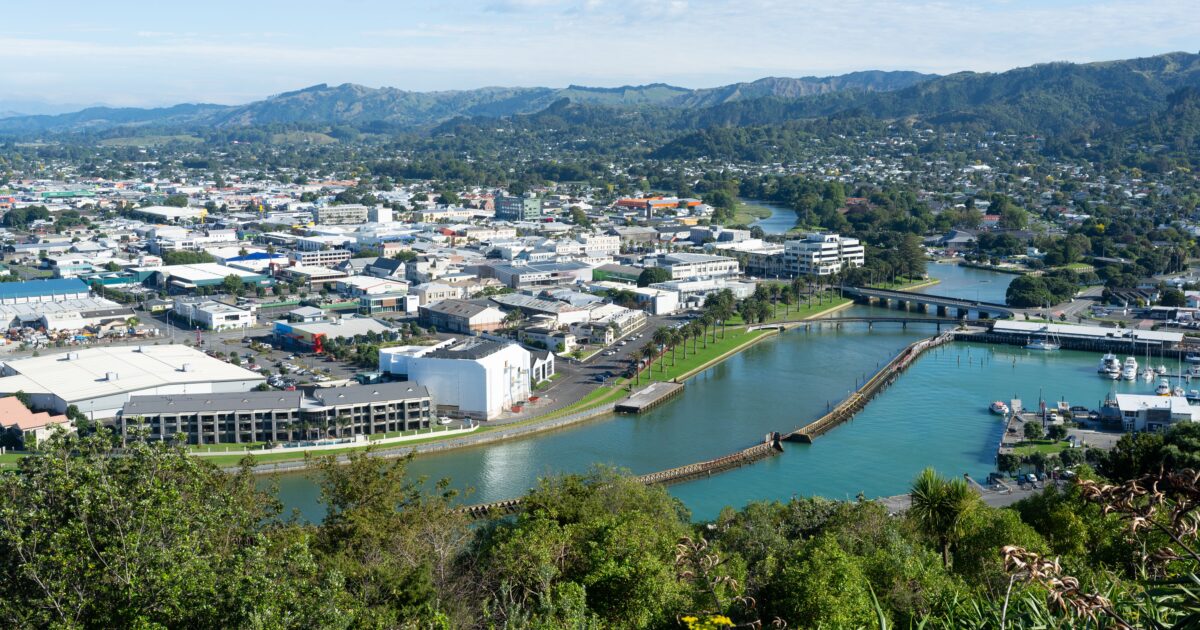
- Gisborne: Led the country with a 22.8% spike in average asking price, reaching $672,328.
- Coromandel: Increased 13.7% to $1,164,168.
- Central Otago/Lakes District: Rose 13.6% to a high of $1,657,694.
- Wairarapa: Recorded the largest decline, dropping 5.6% to $693,330.
For agents with buyers capable of navigating the “geopolitical climate and current economic uncertainty,” she said the market currently offers significant choice.
National stock levels rose 2.1% year-on-year to over 37,500 properties; a volume not seen in the month of March since 2015.
“For those in a position to move, there’s a real opportunity here to secure property, with stock still available and less competition in the market,” Ms Williams said.
While 12 of 19 regions saw stock levels lift, Southland continued to buck the trend. The region saw stock levels plummet 20.7% year-on-year, marking the ninth consecutive month Southland has held the title for the largest stock drop in the country.
*All prices quoted in NZD