
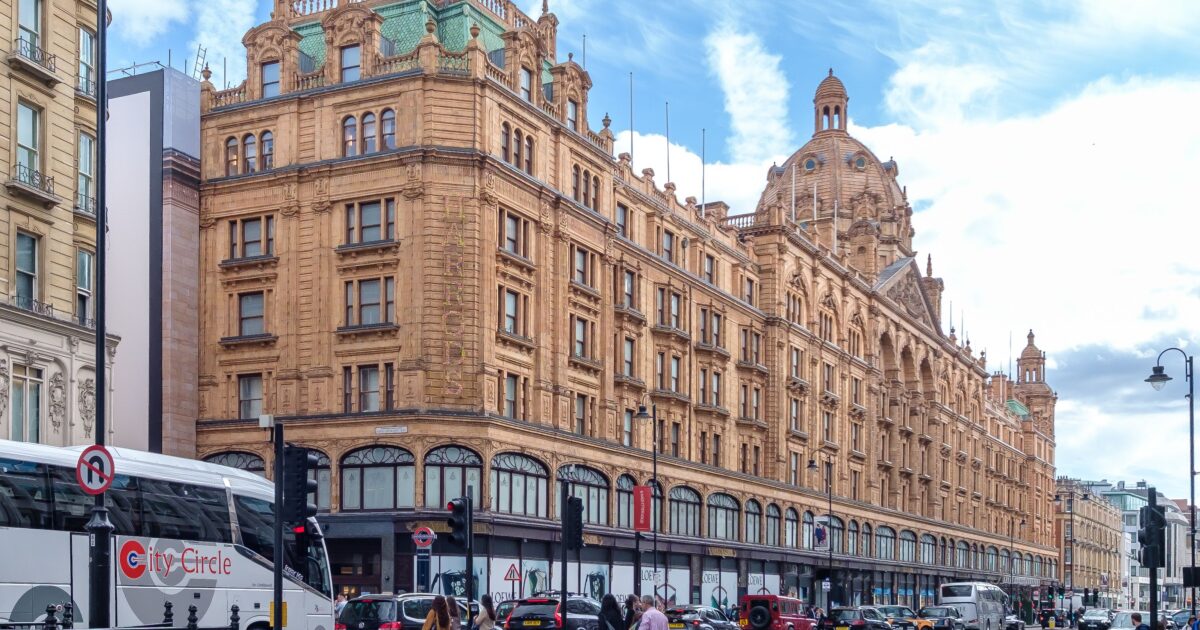
One of London’s best‑known luxury estate agencies, Harrods Estates, has shut its doors after 130 years of operation, marking a significant moment in the prime international property market.
The firm, founded in 1897 as a way to market high‑end homes to British aristocrats and wealthy overseas buyers, has closed its last remaining office on Brompton Road in Knightsbridge and is no longer taking new enquiries.
The decision, described internally as “very difficult”, aligns with a strategic shift by the wider Harrods Group to “focus on its core proposition of luxury retail, catering for clients and customers within the Knightsbridge store and online”, residential director Shaun Drummond told The Times.
Industry observers say the closure reflects significant structural changes in London’s ultra‑prime market.
A series of tax and policy shifts, including stamp duty increases of up to 19 per cent for overseas buyers and the abolition of the UK’s non‑dom tax status, have dampened demand from the international buyers who once drove much of the city’s luxury sales.
Prices for homes over £4.5 million (about AUD $8–9 million) fell by roughly 4.8 per cent in 2025, according to broker analysis cited in media reports.
Harrods Estates was once closely associated with London’s elite. In its heyday it expanded beyond Knightsbridge to other prime districts and even appointed high‑profile figures such as Raine Spencer, Princess Diana’s stepmother, as a director – part of an era when, industry peers say, “everyone who was anyone wanted to list with the agency”.
Market experts point to a “triple whammy” hitting the firm: tax‑driven decline in high‑end demand, Knightsbridge losing ground to rival enclaves such as Mayfair and Belgravia, and reputational setbacks linked to controversies surrounding former owner Mohamed Al Fayed.
While Harrods Estates will continue to service existing landlords and clients through a phased wind‑down until March next year, its closure is seen as indicative of wider recalibration in global luxury property markets, with implications for international investors and agencies that have depended on high‑net‑worth buyers in cities such as London.