
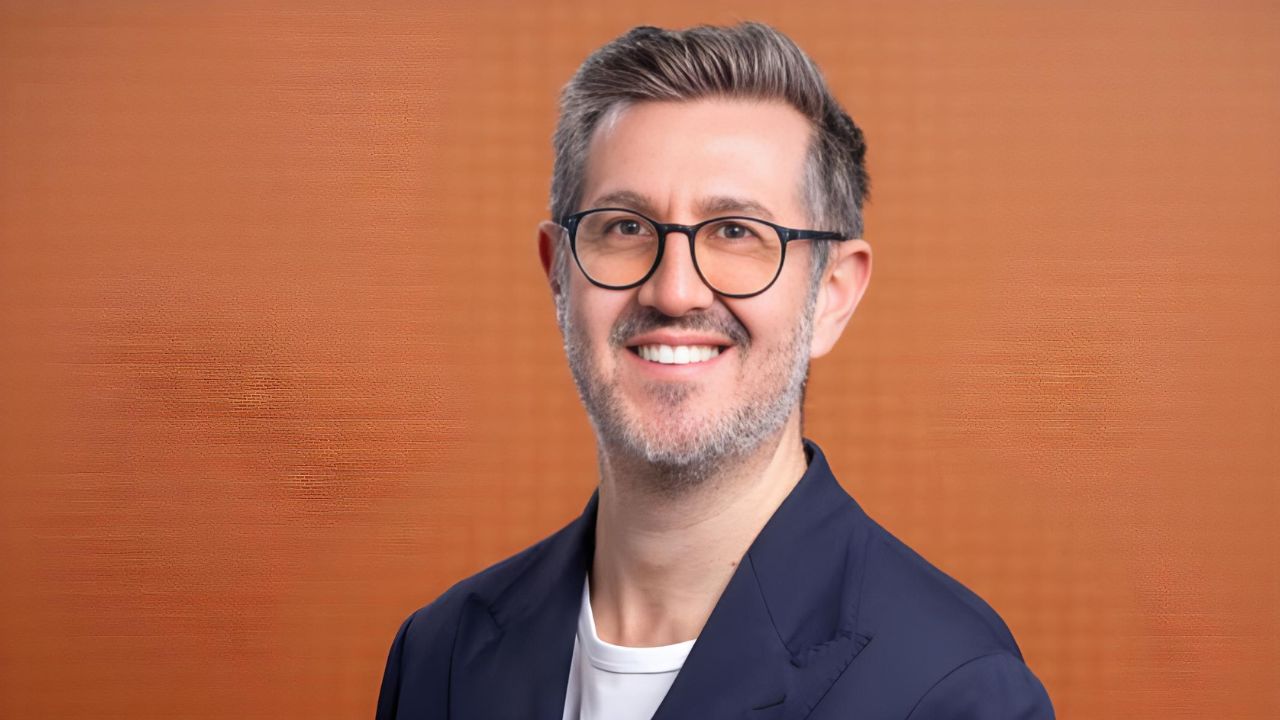
In an environment where sales technology continues to advance and process automation is becoming standard, the fundamentals of great selling remain firmly human.
Tony Morris, one of the UK’s most respected sales speakers and trainers, has built his reputation on this belief, working with more than 300 organisations across 42 industries and 29 countries.
His work is grounded in lived experience rather than theory, and his conclusions are particularly relevant for real estate agents navigating increasingly sophisticated clients and compressed decision cycles.
Over more than a decade analysing high performers, Tony has become focused on what genuinely separates the top one per cent from the rest.
That understanding has been shaped by deep exposure to elite sales professionals worldwide.
“I’ve actually got a podcast called Confessions of a Serial Seller where I’ve interviewed basically the top 100 sales professionals around the world, and it’s quite hard to quantify what makes the best,” he explains.
For Tony, credibility matters. He looks at tangible success, from published work to financial outcomes, noting that “if they’re self-made multi-millionaires through sales, for me that classifies as the best.”
Despite the diversity of industries and backgrounds, consistent patterns emerge, and Tony says that when he analysed these performers, “the three that come up every single time are, number one, the attitude.”
He is clear that this is not superficial positivity, but the internal narrative salespeople carry into every interaction.
Many professionals, he observes, approach sales with self-doubt or resistance, telling themselves they are nervous or uncomfortable.
The strongest performers think differently. “These top 100 have the most incredible outlook and they see everything as a challenge rather than a problem. They see every bit of feedback as a gift rather than a negative, rather than criticism.”
Alongside mindset, Tony places questioning skills at the heart of sales performance.
“For me, sales is communication,” he says, emphasising that effective sales conversations are a two-way dialogue rather than a presentation.
The quality of outcomes, he argues, is directly linked to the quality of questions asked.
“The truth is, the better the question, the better response and outcome you’re going to get.”
Top performers, he notes, are not relying on rehearsed scripts, but are able to develop what he calls a “killer question”, one that is engaging, thought-provoking and capable of moving the conversation closer to a meaningful decision.
Listening, however, is where many sales professionals fall short; Tony frequently observes salespeople listening only long enough to respond, rather than to understand and the best performers operate differently.
“These top one percent listen to learn and they don’t just listen to learn, but they also listen to what is not being shared.”
He describes this awareness as an “opportunity antenna”, explaining that subtle hesitations, omissions and tone often reveal more than words alone.
In real estate, where motivation and hesitation are rarely stated plainly, this distinction can be decisive.
When sales teams struggle to perform consistently, Tony believes the cause is rarely a lack of technical skill.
“Sales is about will and skill,” he says. While skills can be taught, mindset is harder to shift.
He challenges the assumption that money alone drives performance, noting that many people who claim financial motivation hesitate when asked what they would sacrifice to achieve it.
For Tony, the real constraint is internal.
“The one biggest block is attitude and mindset,” he says plainly. Without the right outlook, even the most capable salesperson will underperform.
Authenticity has become another defining issue in modern sales, particularly in industries such as real estate where trust is central to long-term success.
He believes the era of rigid scripts has passed: “Gone are the days where people liked scripts,” he says, reflecting on earlier sales models that prioritised uniformity over sincerity.
Today’s buyers and sellers expect genuine interaction, and that expectation extends beyond face-to-face conversations into digital channels.
“Today’s world is about personal brand, and with personal brand is being authentic, being sincere, being genuine.”
For agency leaders, this requires a cultural shift; rather than forcing uniform messaging, he encourages leaders to support individual identity within their teams.
He points to the growing role of video as a medium for building trust, while cautioning against overproduction: “We’re not looking for a Steven Spielberg production.”
“They want the real person, their content, their beliefs, their values.”
Authenticity, he adds, must be reinforced from the top of the organisation if it is to become embedded in daily behaviour.
Tony is equally firm in his view that generic sales training has limited value.
“Bespoke is everything,” he says, drawing on his experience across hundreds of businesses.
Even within the same sector, he has seen dramatic differences in language, strategy and motivation.
For real estate agencies, this reflects the reality of local markets, brand positioning and team dynamics.
Effective development, he argues, starts with deep understanding, from what motivates individuals to what genuinely differentiates a business from its competitors.
That philosophy underpins his own approach to training.
Before delivering sessions, he conducts mystery calls, reviews live meetings and analyses real interactions.
He also demonstrates techniques in real time, making live sales calls in front of audiences to ensure relevance and credibility.
The objective is always immediate application.
“It’s got to be practical,” he says. “The sales teams need to be able to implement within the next day.”
For real estate professionals looking ahead to a strong 2026, Tony’s message is direct.
Sustainable sales success will not come from borrowed scripts or surface-level tactics.
It will come from mindset, disciplined communication and a willingness to listen beyond what is said.
Those who commit to these fundamentals will remain competitive, regardless of how the tools around them change.
*This interview was originally conducted by Tabish Ali of the London Keynote Speakers Agency

