
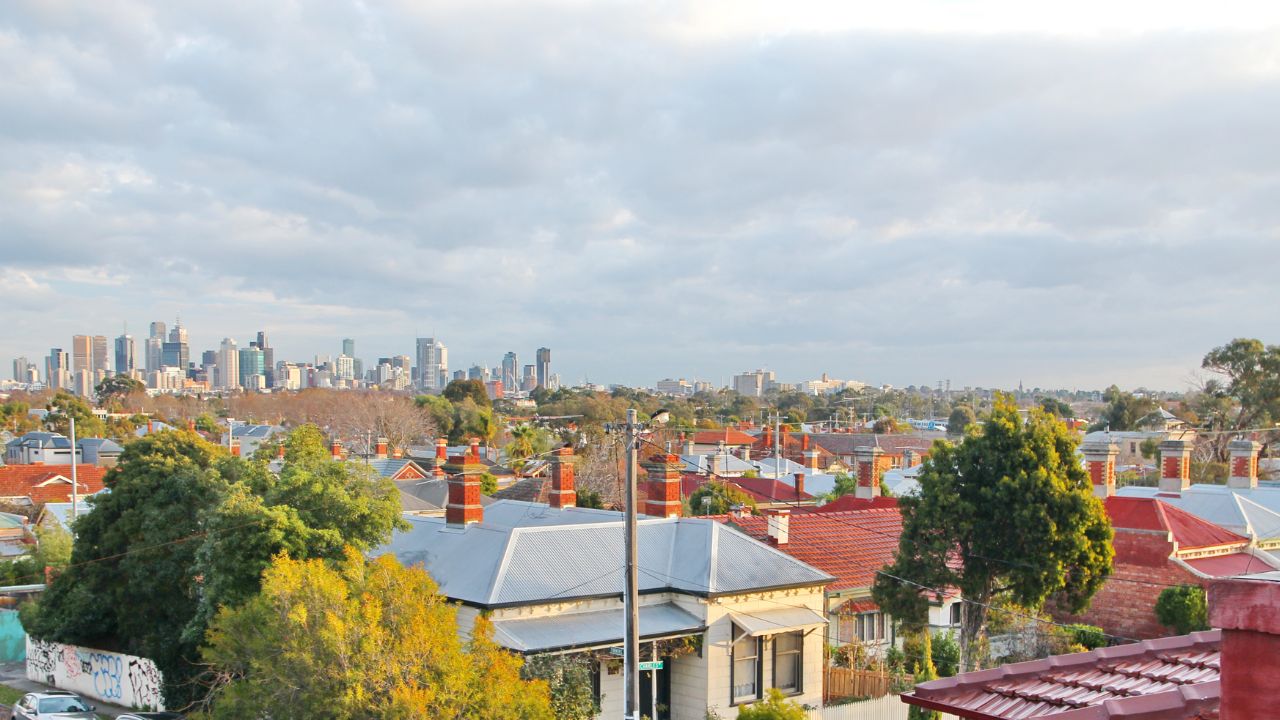
Rental housing availability has fallen sharply in several of Melbourne’s most sought-after suburbs, with new data showing thousands of landlords have exited the market since the introduction of wide-ranging tenancy reforms.
Homes Victoria bond figures show there were 10,274 fewer active rental bonds across Victoria in the past year.
While the total number of rental bonds statewide remains higher than in 2017, the data reveals significant declines in established inner and middle-ring suburbs.
Port Phillip has recorded the largest long-term fall, with active rental bonds dropping by just over 2,000 since June 2017.
Boroondara has lost more than 1,550 rentals over the same period, while Stonnington is down more than 1,070.
Frankston and the Mornington Peninsula have also seen substantial reductions, with declines of 989 and 880 rentals respectively.
Realestate.com.au reports the reductions coincide with the rollout of extensive rental reforms in Victoria since 2017, including minimum housing standards, changes to eviction rules, restrictions on rent bidding, and increased compliance obligations for landlords.
Land tax increases introduced in 2024 have added further pressure.
PropTrack economist Anne Flaherty said the scale of the decline in established suburbs was unexpected given population growth over the same period.
She said investor selling during and after the pandemic had contributed to the drop, following eviction moratoriums, reduced rental income and rising ownership costs.
Vacancy rates remain tight. Melbourne’s vacancy rate sat at 2.4 per cent in June, compared with an average of around 5 per cent between 2020 and 2022. In regional Victoria, the rate was lower again at 1.8 per cent.
Census data shows demand for rental housing continues to grow.
In 2021, more than 537,000 rental households made up 30.2 per cent of Greater Melbourne homes, up from 472,000 households in 2016.
While Victoria has added around 72,000 rental bonds since 2017, much of that growth has occurred in outer suburbs such as Melton and Wyndham, and in apartment developments within the City of Melbourne.
Industry groups and tenant advocates say this shift is creating challenges for workers who need to live closer to employment centres.
Data from Ray White shows hundreds of rental properties have been sold since early 2024 in suburbs including Craigieburn and Reservoir, following land tax changes.
Ray White chief economist Nerida Conisbee said higher holding costs could push some landlords to sell where rental returns no longer stacked up.
Build-to-rent developments have added new supply in areas such as South Melbourne and South Yarra, with Greystar Australia delivering around 1,300 homes in recent years.
The Victorian government said it remained focused on strengthening renter protections while increasing housing supply through planning reforms aimed at accelerating development.

