
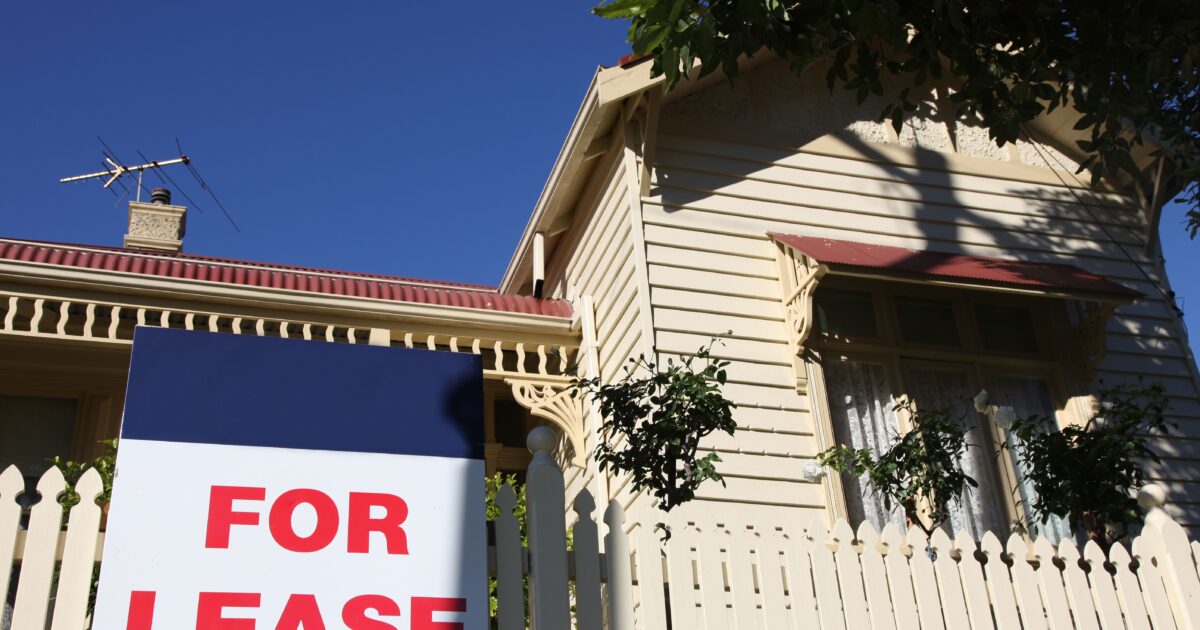
Australian renters are facing their toughest market in at least 17 years, with rental affordability falling to historic lows, according to the latest realestate.com.au Rental Affordability Report from REA Group.
The report shows that rapid rent growth has far outpaced income gains, leaving median-income households able to afford just a fraction of advertised properties.
For those earning the median $124,000 per year, only 37% of rentals advertised from July to December 2025 were within reach, which is a new record low.
New South Wales remains the least affordable state, followed by South Australia, where households on typical incomes could access just 25% and 19% of rentals, respectively.
Victoria, by contrast, bucked the trend, improving affordability over the past year and maintaining its status as the most renter-friendly state.
For lower-income households earning under $75,000 annually, the situation is even more dire, with only 2% of advertised rentals affordable. REA Group Senior Economist Angus Moore highlighted the impact on the more affordable end of the market.
“Rent prices have grown faster for more affordable properties, making it particularly challenging for low-income renters, who can afford essentially no rentals at just 2%.”
Mr Moore also stressed the long-term imbalance between rents and incomes.
“Since the onset of the pandemic, national rent prices have grown 55%, while income growth has lifted just 25% over the same period. This has significantly worsened rental affordability.”
Despite the record-low affordability, there are glimmers of hope. Rental availability improved across most capital cities in 2025, and while rent growth remains solid, it has slowed from the rapid peaks of 2022 and 2023.
Other key findings from the report include:
- National median rents have surged from $420 per week in 2020 to $650 today.
- Affordable rental prices (bottom end of the market) jumped 61% from $280 to $450 per week since 2018-19.
- Households at the 70th income percentile ($190,000) could afford 86% of rentals, highlighting the widening gap between high- and low-income renters.
- Median-income households in WA and Queensland could only access 24% and 29% of advertised rentals, respectively.
“Thankfully, there are signs conditions are improving for renters. Rental availability improved over 2025 in most capitals, and rent growth, while still solid, has slowed from the peaks seen in 2022 and 2023,” said Mr Moore.
“However, rental affordability will remain at incredibly low levels in the year ahead.”