
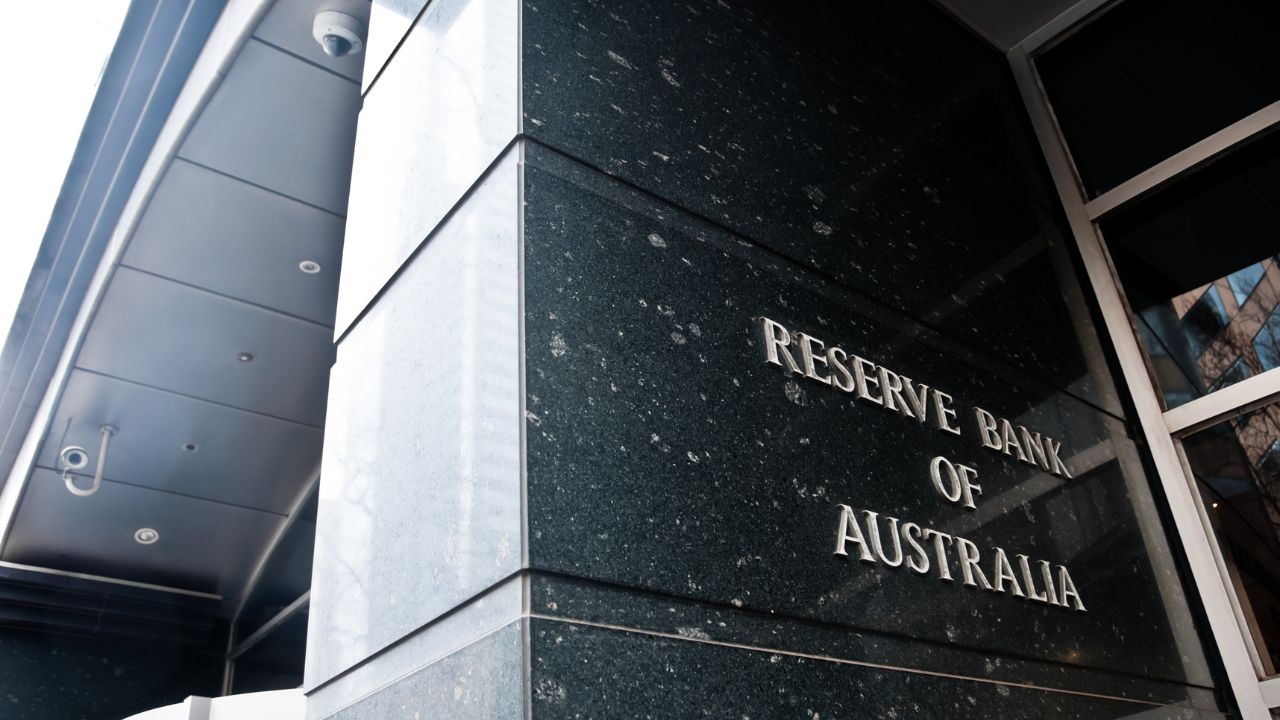
The Reserve Bank of Australia has lifted the cash rate by 25 basis points, responding to inflation that has proven slower to ease than expected and a labour market that remains resilient.
Following a meeting of the Bank’s board, the RBA confirmed an increase in the benchmark rate to 3.85 per cent after a series of higher than expected CPI figures over the past three months and a tight employment market.
While the move was widely anticipated in recent weeks, it marks a clear shift from earlier expectations of rate cuts and reinforces the likelihood that interest rates will stay higher for longer.
For the housing market, the decision is expected to weigh on borrowing capacity and buyer confidence, even as ongoing supply shortages continue to provide underlying price support.
The RBA will announce its next interest rate decision on 17 March 2026.
Here’s what the experts had to say:
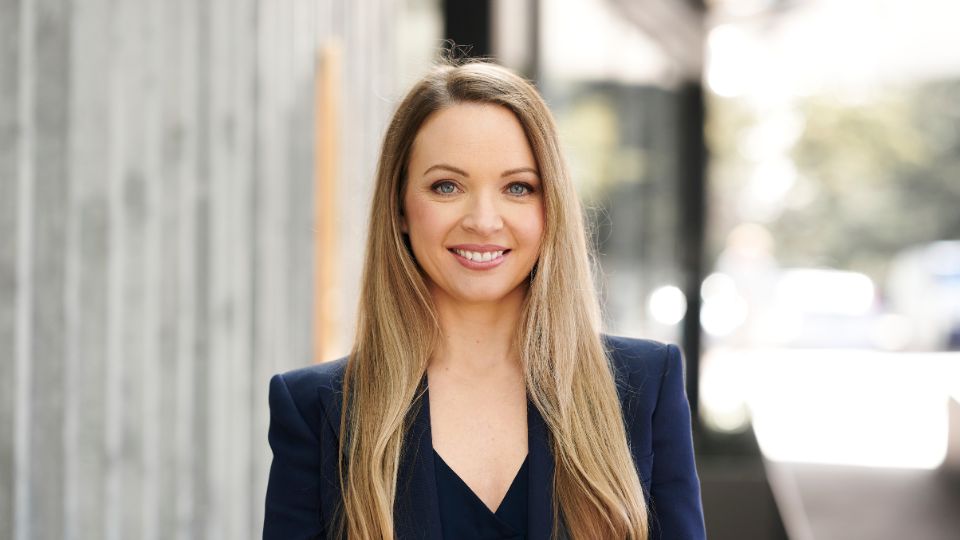
Domain’s Chief of Research and Economics, Dr Nicola Powell
“Inflation just isn’t easing as quickly as many had hoped. Higher rents, insurance, and energy costs are still feeding through, and the strength of the labour market means the RBA doesn’t have the breathing room it needs. As a result, a rate hike at today’s meeting now looks very likely.
“What’s important here is how quickly expectations have changed. Only a few months ago, the conversation was about more rate cuts. Now, the reality is that interest rates may stay elevated for longer, and that has real consequences on the housing market.
“Supply constraints will continue to underpin prices, so we’re not talking about a sharp correction. But higher borrowing costs do slow things down. We expect price growth to moderate through 2026, particularly in markets like Sydney and Melbourne where buyers are more sensitive to interest rate changes.
“For borrowers, this means less borrowing power and a more challenging lending environment. That tends to cool buyer urgency, encourage more cautious bidding, and bring a more measured feel to auctions and private treaty negotiations.”
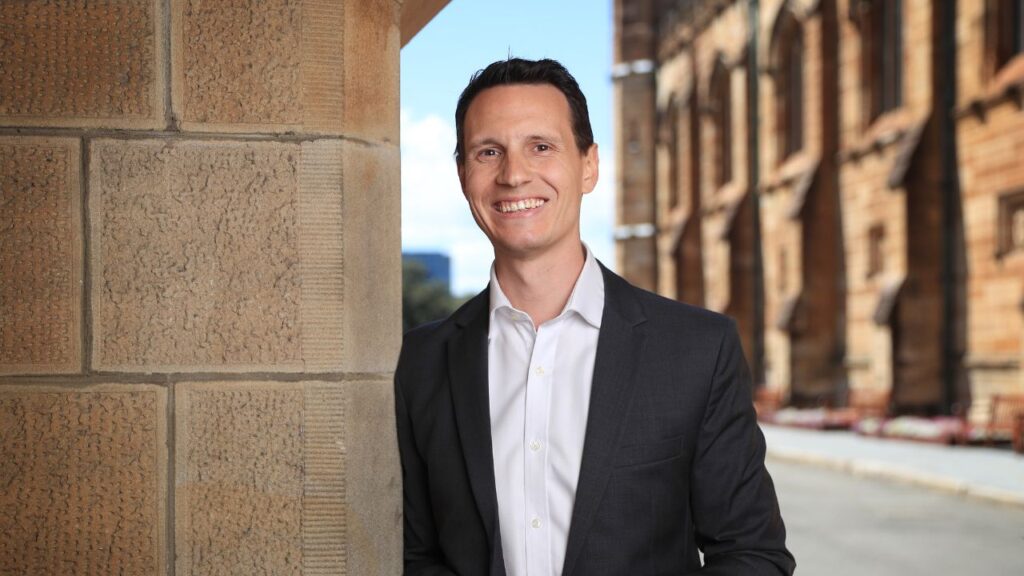
Angus Moore, REA Group Senior Economist
“As was widely expected, the RBA increased the cash rate 25 basis points at its first meeting of 2026. This comes in response to higher-than-expected inflation in the December quarter, and unemployment dropping back down to 4.1%.
“The RBA remains focused on inflation, and with underlying inflation above both the RBA’s target band and what it had forecast back in November, the argument for a rate cut to start the year was strong.
“How inflation evolves across the start of 2026 will be the driver for where interest rates go from here. At the moment, another hike is expected by mid-to-late 2026, but whether that happens will be dictated by how persistent inflation is.
“Home prices are still expected to grow across 2026 on the back of last year’s cuts and strong economic and housing fundamentals. The unemployment rate remains very low, and population growth is solid amid relatively constrained new supply. However, higher rates this year will slow price growth down compared to the pace recorded last year.”

Nerida Conisbee, Chief Economist at Ray White
“Financial markets went into the meeting expecting a rate increase, reflecting the view that the inflation outlook has deteriorated. The stronger inflation result has reinforced the case for tighter policy.
“The labour market continues to give the Bank room to act. Unemployment remains low at 4.1 per cent and employment is still growing, supporting household incomes and spending. With demand holding up and inflation pressures broadening across both goods and services, the RBA has judged that policy needs to become more restrictive.
“Housing remains one of the most difficult policy trade-offs. Rents, electricity and new dwelling costs continue to rise, driven by a shortage of housing rather than excess demand. Higher interest rates will not resolve these structural constraints. In fact, by lifting financing costs for developers and investors, higher rates are likely to further restrict new supply and place additional upward pressure on rents.
“Despite this, the RBA has chosen to prioritise broader inflation control. With inflation re-accelerating and the economy confirmed as still strong, the Bank has judged that the risk of inflation becoming entrenched now outweighs the risk of further tightening, even if it exacerbates housing cost pressures.”

BresicWhitney CEO, Thomas McGlynn
“Today’s decision to raise rates will place additional pressure on mortgage holders and may pause decision-making among buyers planning to enter the market in the early stages of the year. We’d expect some caution to return as buyers reassess their borrowing capacity and affordability in light of higher repayments.
“In Sydney’s sought-after lifestyle suburbs, economic settings play a huge role in how the market performs and how buyers and sellers relate to it. Interest rates influence how Sydneysiders think about homeownership – whether that’s a first-time purchase, upsizing or downsizing, investing, or renting. House prices and suburbs of comparable affordability will remain topical throughout the year.
“However, buyers and sellers are familiar with this cycle and its fluctuations. Many are staying close to opportunity and taking a long-term strategic outlook, which supports stability. Sydney’s underlying dynamics – tight supply, lifestyle appeal, and strong employment – play an important role in the long-term value proposition of property.
“Key destinations such as the Eastern Suburbs, Lower North Shore, and Inner West remain fundamentally attractive, despite rate headwinds. These well-established areas are characterised by large family homes and historic estates, but also offer diverse property, with more affordable entry points and ongoing evolution, providing broad long-term appeal.”
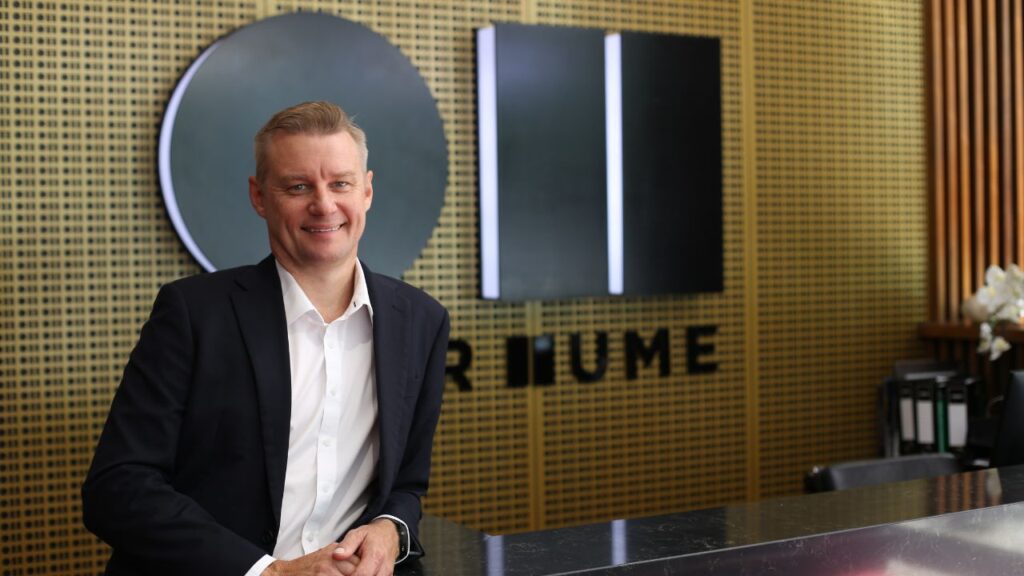
Oliver Hume Property Group Chief Economist, Matt Bell
“Financial markets had priced in about a 66% chance of a 0.25% hike and there were some solid reasons for the RBA to sit on its hands for one more quarterly CPI reading, but in the end, the Board hiked by 0.25% to 3.85% after CPI printed above their own forecasts for the December quarter.
“It signals the end to what was a massive turnaround in expectations over the second half of 2025. As late as July 2025, markets and economists expected three more rate cuts by the end of 2026. After today’s hike, many now expect a period of wait-and-see, with the April release of March quarter inflation as the next major guide.
“What does this mean for property markets? Initially, there will be the impact of the rate hike on sentiment and the ability to borrow. We are already seeing some of this in the most interest-rate sensitive markets of Sydney and Melbourne, with the slowing of established house price growth in December and January.
“But for both the economy and property markets, we are yet to see the full flow through of the 0.75% of cuts delivered in 2025. These take time to filter fully through to both household balance sheets and purchasing decisions.
“And we have to remember that the reason we’re now getting rate hikes rather than cuts is because the economy is running hotter than expected. Household spending is stronger, unemployment is lower and growth and inflation are higher.”
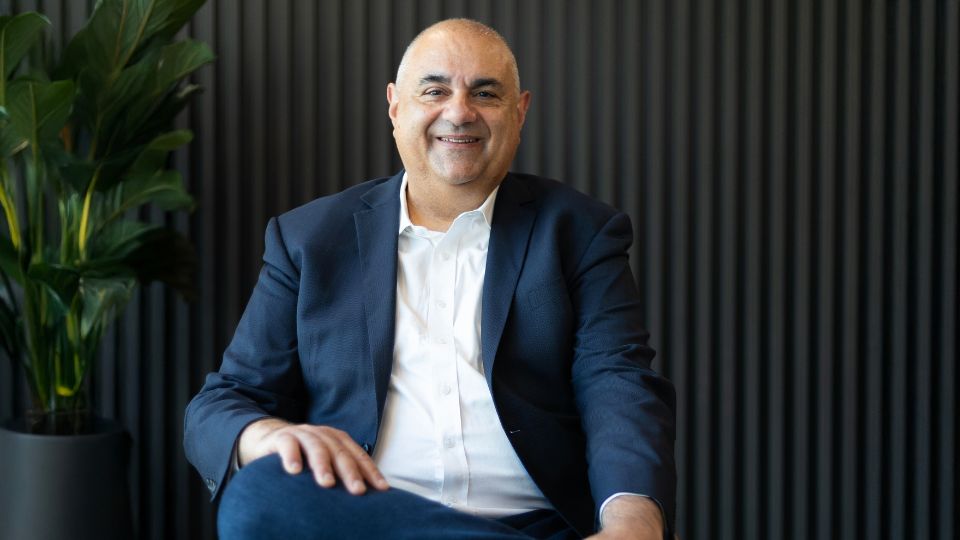
The Agency’s CEO of Real Estate Matt Lahood
“The RBA’s decision to lift interest rates by 25 basis points to 3.85 per cent came largely as expected due to recent economic data which showed inflation move higher, coupled with low unemployment figures.
“We anticipate that there will be little short term impact for buyers and sellers who have already factored in the rate increase. We anticipate a flurry of activity from people who are planning to buy and sell in the first quarter of 2026, before their pre-approvals are adjusted.”

Mathew Tiller, LJ Hooker’s Group Head of Research
“Buyer activity doesn’t stop with an increase in interest rates, the property market moderates and becomes more price sensitive.
“While no one likes an interest rate rise, it won’t switch off demand with data showing there are still buyers out there. Population growth is still elevated, new supply lagging and listings are tight in many markets, so there is a floor under prices.
“We expect to still see price gains just at a slower pace. What is more likely is that days on market will increase as buyers take longer to decide and may be more budget conscious.”
“Sellers may need to be more flexible in negotiations, with the market likely to distinguish between well-price homes and those that fall outside of buyer expectations.
“It is important to look at what is happening in your market now and setting an achievable goal based on demand. Understanding the market starts with a property appraisal with a reliable and experienced agent who how buyers react to a rate rise and shifting conditions.”

Compare the Market’s Economic Director David Koch
“It’s another whack for the millions of Aussies who have a mortgage but unfortunately it seems like the medicine we need to take to stop inflation accelerating, or at least that’s the judgement from the RBA.
“If banks pass it on, as I expect they will, this will have a direct and immediate impact on household budgets, particularly for borrowers with larger mortgages or those who have only been paying the minimum repayments.
“We’re talking pushing monthly repayments up by about $94 for someone with a $600,000 mortgage. That’s about an extra $1,128 a year – money many households simply don’t have to spare when they’re also being hit with higher grocery costs, insurance premiums and energy bills.
“The RBA has pulled the trigger early in the hopes it will prevent a much messier and difficult situation down the line. Last week’s December quarter CPI result was a shocker. It wasn’t just the actual high figure, it was the fact that the pace of inflation is accelerating.
“Inflation has been running too hot for too long and it’s really important we get ahead.”
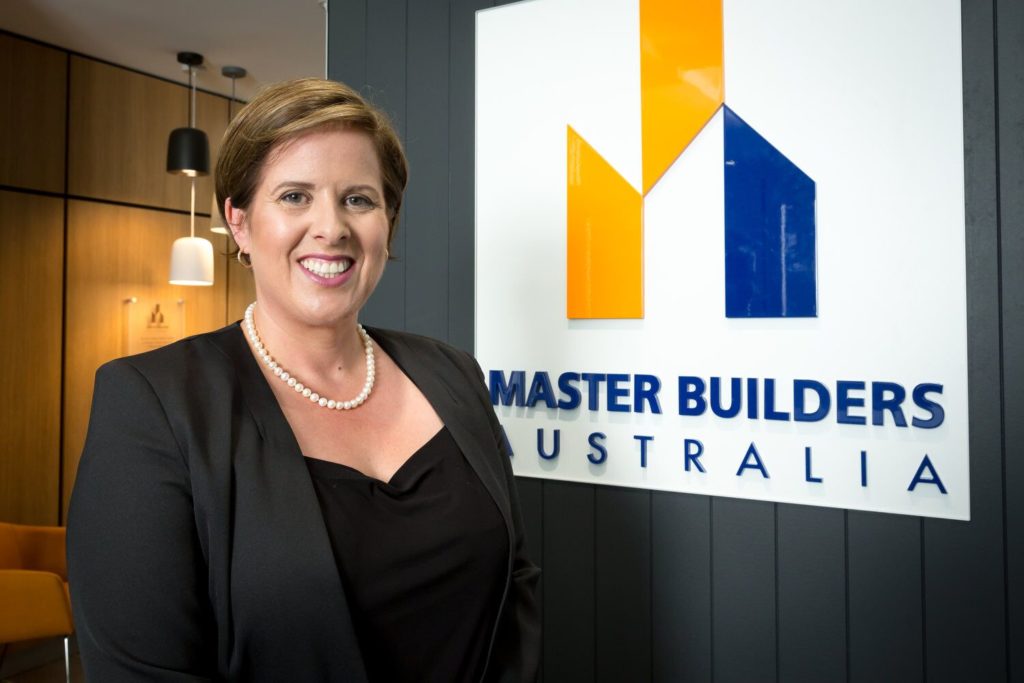
Master Builders Australia CEO Denita Wawn
“The vast majority of money for commercial building projects comes from private sector investment. Higher inflation and interest rates makes business investment more expensive and less attractive by reducing returns and increasing the cost of inputs.
“The pain caused by today’s decision will also fall on small construction businesses and mums and dads embarking on new builds as inflation and rate rises makes businesses more. cautious and reduces margins in household budgets.”
“Areas including building productivity, reducing red tape, and fixing labour shortages require urgent budgetary attention and policy reform to put downward pressure on housing inflation and help the RBA meet its target.”