
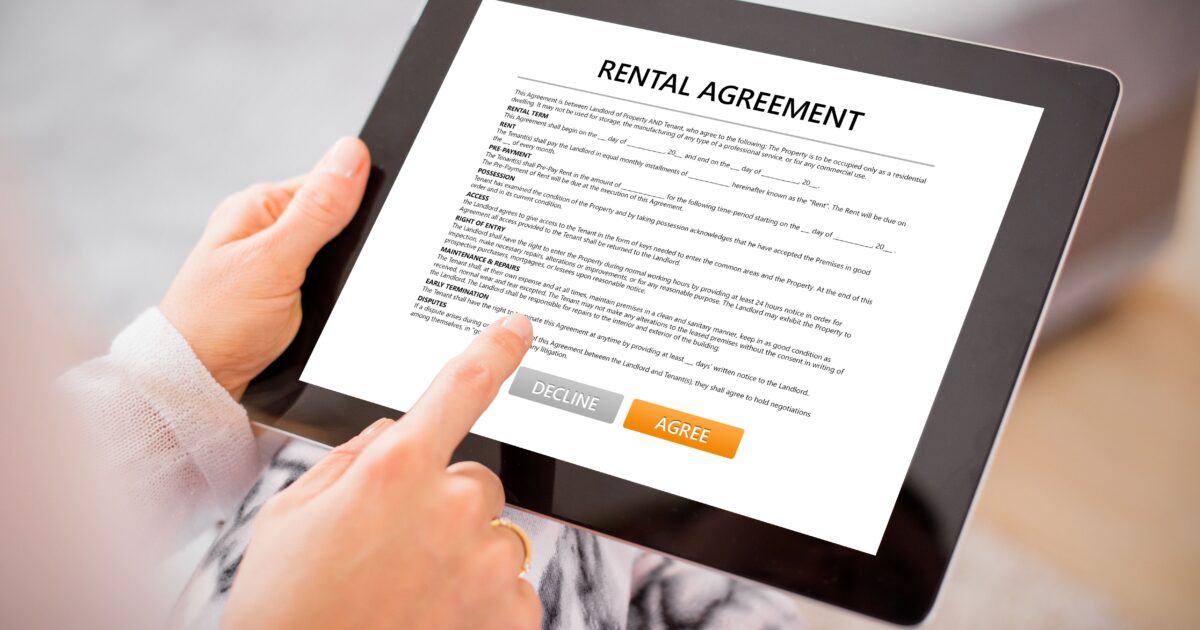
NSW renters will soon be able to digitally transfer their rental bonds between properties, in a move the government says will reduce financial pressure when moving homes.
The Smart Rental Bonds system, due to roll out in mid-2026, allows tenants to transfer an existing bond to a new property for a $25 fee, rather than paying a full bond upfront while waiting for a refund from their previous landlord.
For property managers, the move promises to streamline processes and reduce disputes over delayed bond refunds. Chantelle Collin, Head of Property Management at BresicWhitney, said the change could benefit both renters and owners.
“Reducing the upfront financial burden for renters is important, particularly as cost-of-living pressures continue to bite,” she said.

“What matters now is ensuring the system is clear, consistent, and protects owners just as strongly – because when both sides feel supported, we create a healthier rental ecosystem for everyone.”
Premier Chris Minns said the reform would help more than 2.3 million renters in the state.
“Every cent counts, and making sure that renters don’t have to put money forward for a bond while waiting for a refund will save them thousands of dollars each time they move,” he said.
Housing Minister Rose Jackson said the reform was a response to widespread financial stress.
“Having to fork out for two bonds at once is a major expense that many just cannot afford. It’s creating stress, real hardship and even homelessness for some people struggling in our rental market,” she said.
How it works
The system operates through the existing Rental Bonds Online platform.
When a landlord lodges a bond request, tenants can either pay the new bond outright or transfer their existing bond.
If the new bond is higher than the old one, tenants pay the difference; if it’s lower, they receive a refund.
Agreed claims between landlords and tenants are paid upfront by the government, ensuring landlords face no financial risk.
NSW Rental Commissioner Trina Jones said technology like Smart Rental Bonds would “empower renters by alleviating financial pressure and creating a fairer and more flexible rental experience”.
The government says more than 330,000 households move each year in NSW, and most tenancies last less than two years.
The average renter spends around $4,000 each time they move.
Rental bonds have long been a point of friction in the system, particularly where tenants face delays in receiving refunds or disputes arise over claims at the end of a tenancy.
The reform complements other measures introduced by the Minns Government, including limits on rent increases, ending no-grounds evictions, and a new $8.4 million rental taskforce to oversee landlords and agents.