
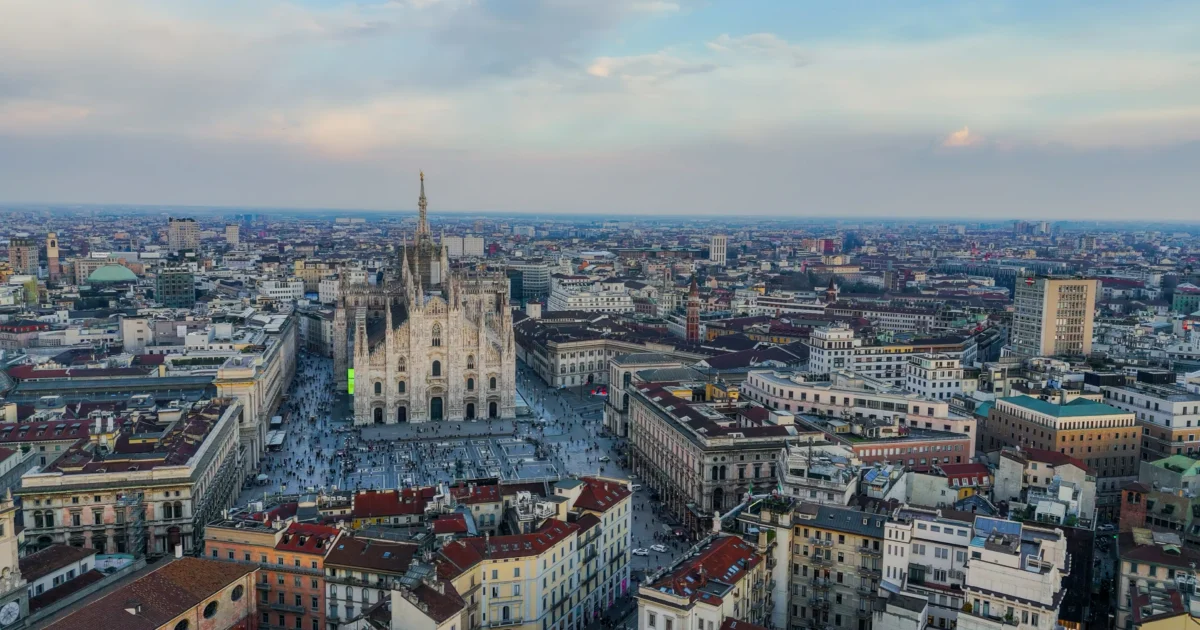
The escalating conflict in the Gulf is reshaping where the world’s ultra-wealthy choose to live – and Milan is emerging as a leading beneficiary.
As Iranian missile strikes on the UAE prompt an exodus of wealthy expatriates, Italy’s financial capital is positioning itself as Europe’s premier destination for high-net-worth individuals seeking tax advantages and lifestyle appeal.
“Italy has the best benefits: a flat tax and good quality of life,” Armand Arton, a consultant who helps multimillionaire and billionaire families relocate through investment citizenship schemes, told the Guardian.
“People leaving the UAE can see themselves living in Rome or Milan quite easily as international, metropolitan centres.”
Under Italy’s flat-tax regime, foreign residents can pay €300,000 (approximately A$520,000) annually on all overseas income – regardless of how much they earn.
The scheme has attracted around 5,000 participants since launching in 2017.
The arrangement has proved particularly appealing since the UK abolished its non-domicile tax status.
The Italian rule has earned the nickname “svuota Londra” – meaning “evacuate London” – among Milan’s financial community.
The influx is already affecting Milan’s property market.
Prices have risen 38 per cent over the past five years, according to Knight Frank research, with the city now Italy’s most expensive at an average €5,171 per square metre.
Premium neighbourhoods including Sant’Ambrogio, Brera and the Cinque Vie near the Duomo are seeing even steeper increases.
The shift is transforming Milan’s luxury landscape.
Galleries are expanding following a VAT cut on art sales from 22 per cent to 5 per cent.
Private members’ clubs Casa Cipriani and Soho House have opened new outposts.
Via Monte Napoleone briefly held the title of world’s most expensive shopping street in 2024, overtaking New York’s Upper Fifth Avenue.
Rome is experiencing similar changes, with Rosewood and Four Seasons hotels scheduled to open in 2026 and 2027 respectively.
Whether Milan can permanently displace Dubai as the hub for global wealth remains uncertain.
Mr Arton expects Dubai to recover its appeal for certain demographics.
“It may no longer check the box for everyone, but there will still be certain groups that find Dubai very attractive because there are simply not many other places in the world that offer the same mix of opportunity and quality of life.”