
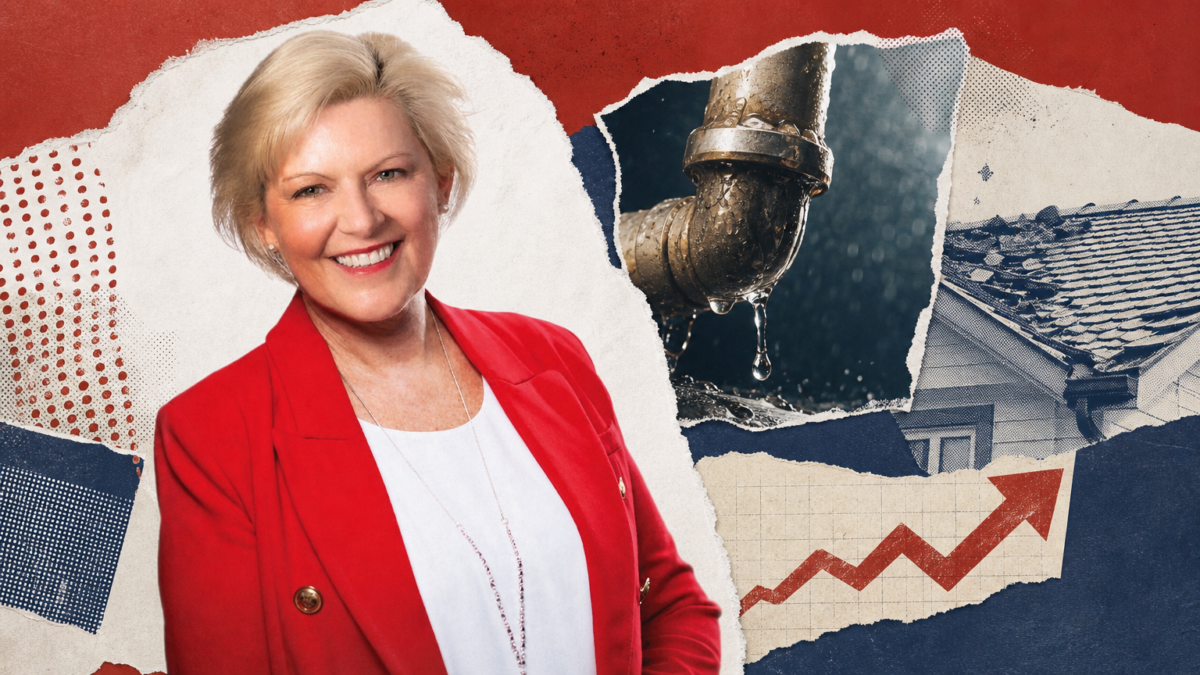
Delaying maintenance can feel like a way to save money; in practice, it can have the opposite effect.
For many landlords, maintenance is a balancing act. With rising costs and competing financial priorities, it can be tempting to postpone a repair that might not seem urgent.
A dripping tap, a loose roof tile or an overflowing gutter may seem like minor inconveniences that can wait until a later date. According to EBM RentCover, some of the costliest insurance claims begin as relatively small issues that were quietly worsening in the background.
Take a slow leak under a sink for example. It might not seem like a major concern today. But over weeks or months, that same leak can damage cabinetry, flooring and adjoining walls. And a cracked roof tile may go unnoticed until the next severe storm sends water into the ceiling cavity.
What starts as a straightforward repair can quickly become a much more complex and expensive problem.
In many cases, the original issue costs only a few hundred dollars to rectify, while the resulting damage can run into the thousands.
Depending on the circumstances, delayed maintenance can lead to:
- Significant property damage
- Extended repair timeframes
- Temporary loss of rental income
- Tenant disruption
- Increased stress for all parties involved
- More complex insurance claims
For landlords, the financial impact is often much greater than the cost of addressing the issue in the first place.
At EBM RentCover, we regularly see claims where the damage caused far exceeds the original maintenance concern.
Water damage is one of the most common examples. A minor leak that is ignored can spread through walls, flooring and built-in fixtures before the problem is discovered. And as we have mentioned, roof defects that appear insignificant during dry weather can become major issues during periods of heavy rain.
The common thread is that the biggest losses are not always caused by major events. Sometimes they develop gradually from something that initially appeared manageable.
Landlord insurance plays an important role in helping property investors manage the financial impact of unexpected events. However, insurance should be viewed as one part of a broader risk management approach.
It’s important to remember that landlord insurance is designed to respond to unforeseen circumstances, not issues that are known and left unaddressed. If a landlord is aware of a maintenance problem and fails to take reasonable steps to rectify it, any resulting damage may not be covered.
For example, if a landlord knows a roof is leaking but delays repairs, and the issue later causes significant water damage, the insurer may consider whether reasonable action was taken to prevent further loss. Insurance is there to help when the unexpected happens, but property owners also have a responsibility to maintain their investment and minimise risks.
Proactive maintenance helps reduce the likelihood of preventable damage occurring in the first place. It protects the condition of the property, supports tenant safety, and can help limit the disruption that often accompanies major repair works.
In simple terms, the best claim is often the one that never needs to be made.
In addition, today’s repair environment presents additional challenges for property owners. Building materials, labour costs and repair timeframes remain significantly higher than they were just a few years ago. As a result, property damage that might once have been relatively straightforward to rectify can now involve greater expense and longer delays.
Properties will always involve ongoing maintenance and upkeep. While not every issue requires immediate action, seemingly minor defects deserve careful attention before they develop into something more serious.
For landlords, the lesson is that maintenance should not be viewed solely as an expense. It’s an investment in protecting the asset.
While proactive maintenance can help reduce risk, unexpected events can still occur. Partner with EBM RentCover to support landlords with specialist insurance. Got a question? Call 1800 661 662.