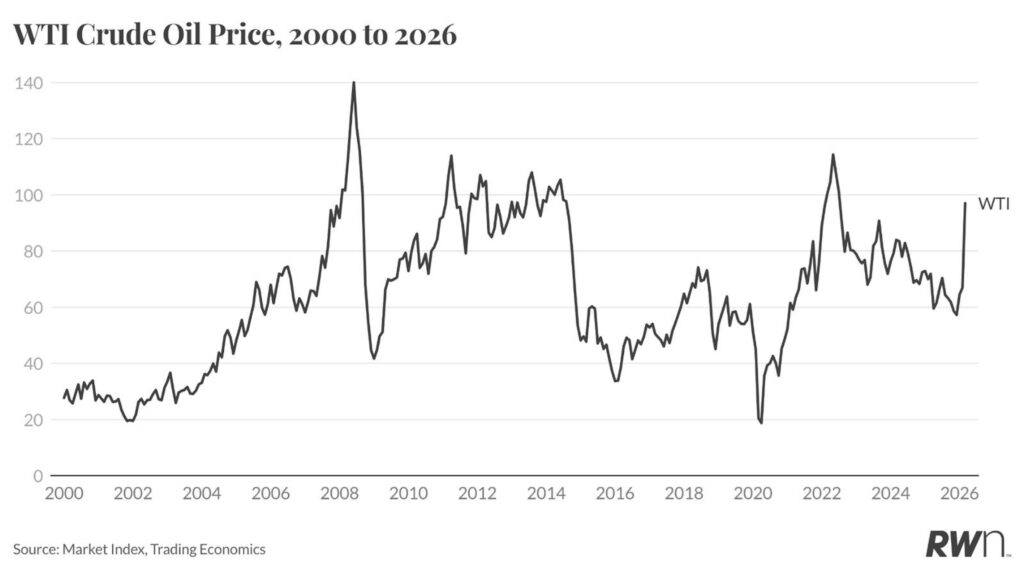
The ongoing conflict in the Middle East is creating a split economic picture for Australia, with households and housing markets facing mounting pressures even as resource exporters stand to gain.
“The economic fallout from the Middle East will not be evenly distributed across the global economy,” says Nerida Conisbee, Chief Economist at Ray White.
Countries heavily reliant on imported energy face the biggest risks as oil and gas prices rise, but Australia occupies a more complex position.
For households, the picture is particularly challenging. Australia imports most of the refined petroleum products used domestically, meaning global oil price rises flow straight through to higher petrol and diesel costs.
“For households already facing elevated living costs, higher fuel prices act as an additional squeeze on budgets. Transport costs rise first, but the effects spread more broadly across the economy,” Ms Conisbee explains.
Rising transport costs also feed into freight, airfares, and grocery prices, reducing purchasing power and slowing household consumption, pressures felt most in outer suburban and regional areas where reliance on cars is higher.
The real estate and construction sectors face a particularly complicated outlook.
Rising energy prices push up construction costs, as building relies heavily on diesel-powered machinery, fuel-intensive transport, and energy-heavy materials such as steel, cement, and bricks.
Higher construction costs coincide with tight development economics, slowing the pipeline of new housing.
“At the same time, rising energy prices risk keeping inflation elevated across the broader economy.
With this comes higher interest rates, which leads to slower price growth. It does, however, also make new housing harder to deliver,” she says.
Financing pressures hit higher-density developments hardest, potentially constraining the supply of new homes.
The result is a complicated picture for the housing market.
Price growth is likely to slow as borrowing capacity tightens, but the supply response could weaken at the same time. When fewer homes are built, the underlying shortage of housing deepens.
In practice, this often shifts pressure into the rental market. With population growth continuing and new supply limited, rents remain elevated even when house price growth moderates, which is a further complication for the inflation outlook.
At the same time, resource exporters may see indirect gains.
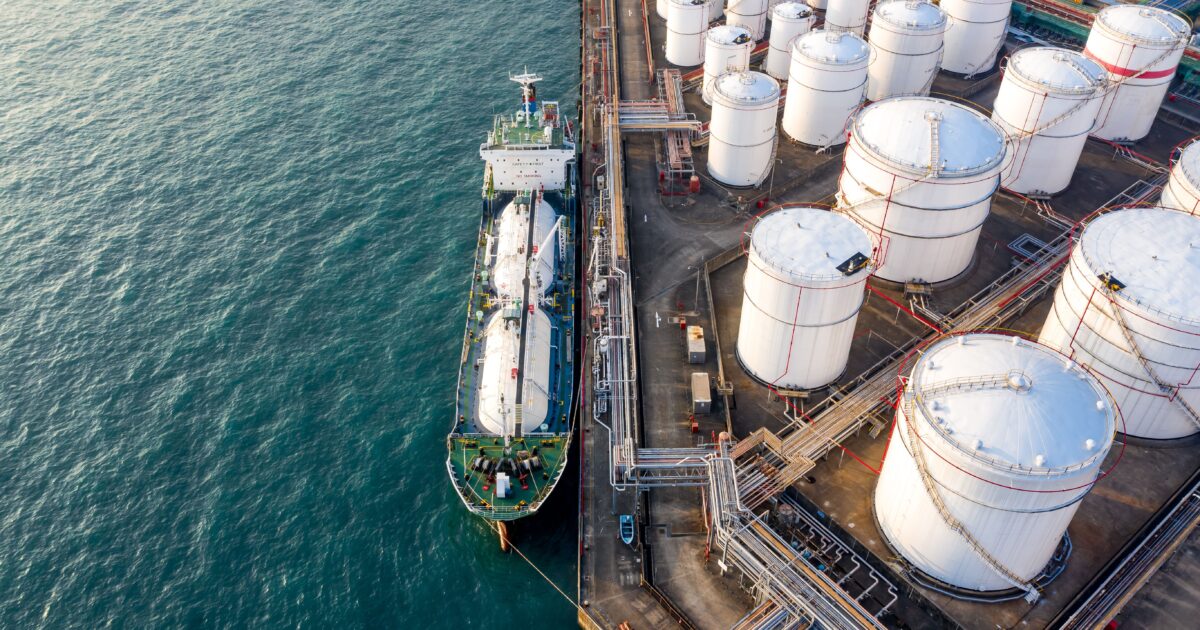
“Liquefied natural gas producers are particularly well positioned. LNG markets are highly sensitive to supply disruptions, and higher global prices can quickly boost revenue for Australian exporters supplying Asia and Europe. Coal exporters can also benefit as countries substitute away from expensive gas or seek alternative sources of energy,” Ms Conisbee says.
Past experience shows the resource sector can act as an economic buffer.
During the global financial crisis, strong demand for resources from China helped Australia avoid a recession, even as other advanced economies contracted.
For the real estate industry, these dynamics highlight both opportunities and risks.
Resource-rich states and property sectors linked to energy exports may benefit, but households and developers continue to face rising costs, tighter margins, and ongoing pressure on housing affordability.