
According to a new report from Swiss bank UBS, while some markets show concerning signs, a widespread collapse appears unlikely due to stable prices and limited new construction keeping supply in check.
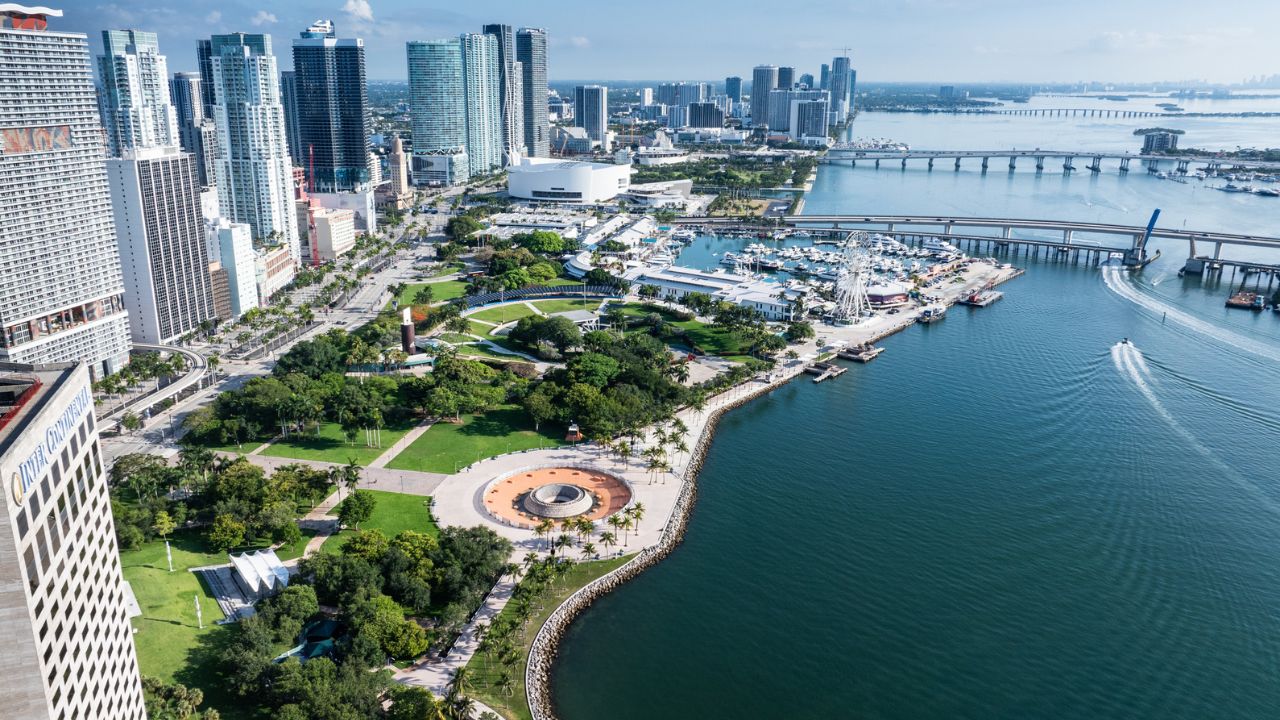
Miami tops the list of high-risk markets, with its price-to-rent ratio exceeding the peak levels seen before the 2008 financial crisis.
This indicates homes for sale are significantly overpriced compared to rental costs.
Nearly two decades later, the price-to-rent ratio in Miami has surpassed peak levels from 2006, meaning the monthly cost of renting is lower than buying.
The Florida city’s real estate market is largely driven by investors seeking quick gains, which can artificially inflate prices and potentially trigger a value crash.
This investor-heavy market structure mirrors conditions that made Miami an epicentre of the Great Recession.
Los Angeles also faces an elevated risk despite its housing shortage. UBS identified rising vacancies in the city as a sign that current price levels may not be sustainable long-term.
In contrast, traditionally expensive markets like San Francisco and New York show relatively low bubble risk.
Prices in these cities have already begun cooling when adjusted for inflation, while back-to-office mandates from technology and finance companies have maintained demand from high-earning workers who can afford the costs.
International financial centres Paris and London also demonstrate low risk profiles.
Although prices have started to decline in these European capitals, limited new construction will likely prevent dramatic price drops by keeping supply constrained.
The report identified Tokyo and Zurich as the other high-risk markets alongside Miami, while Toronto, Sydney, Madrid, Frankfurt, Vancouver, Munich, and Singapore all show elevated risk levels.
For homeowners in stable markets, the findings suggest their investments should hold value, though this offers little comfort to potential buyers struggling with affordability.
The continued lack of new construction that helps prevent a bubble also means housing will remain expensive and inaccessible for many.