
For most real estate professionals, fear of rejection is not something that magically disappears with experience. Even seasoned agents still feel a moment of hesitation before making a prospecting call, following up a lead, or pushing for a decision.
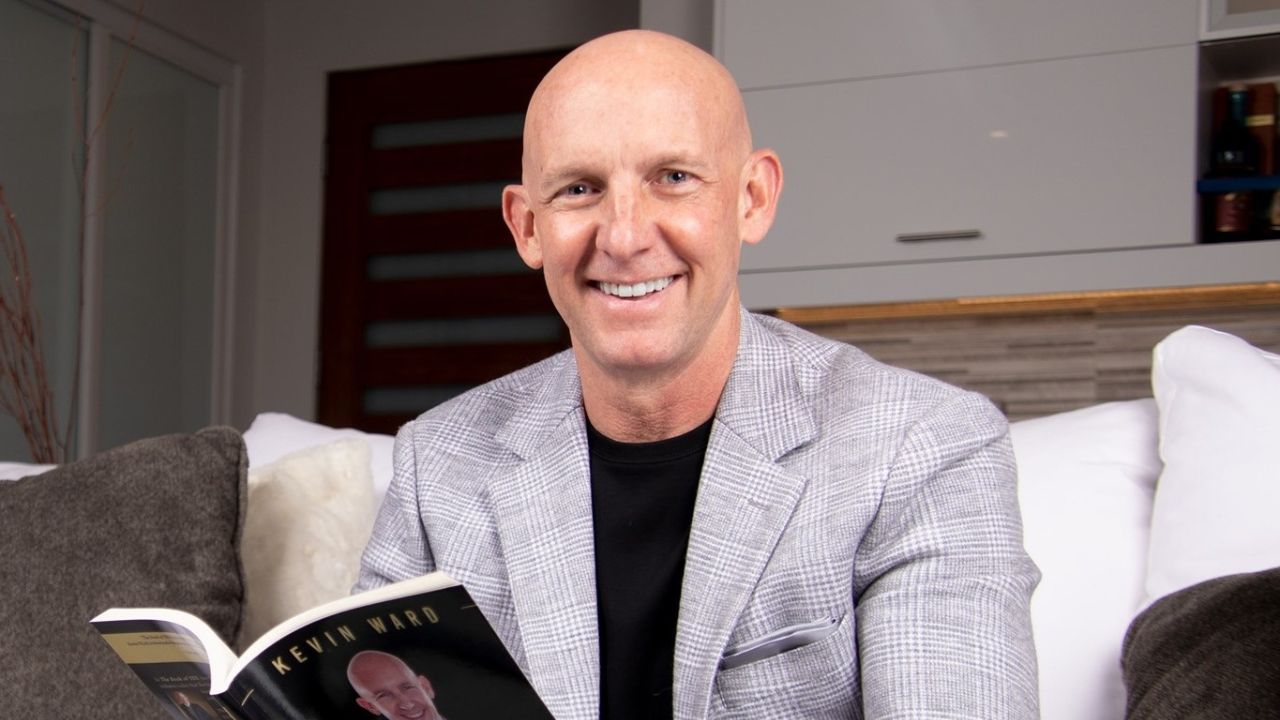
According to US-based real estate coach and founder of Yes Masters, Kevin Ward, discomfort is not a sign of weakness; it is simply part of the job.
“You’re never going to get to a point where you’re so confident and so tough that rejection doesn’t bother you,” Kevin says.
“There’s always going to be uncertainty about how the conversation is going to go.”
The mistake many agents make is waiting for confidence before taking action. In reality, confidence only arrives after action, not before it.
The myth of being ‘ready’
Kevin is also blunt about one of the industry’s most common misconceptions: the idea that agents should wait until they feel prepared, calm, or self-assured before prospecting.
“There’s never going to be a moment where you feel 100 per cent confident doing something you’ve never done before,” he explains. “The only way you get ready is by doing the thing.”
That hesitation, the internal debate about timing, wording, or possible rejection, often becomes a form of procrastination.
Agents delay making the call, sending the message, or having the conversation, convincing themselves they are protecting their confidence.
In practice, he says, they are protecting their fear.
Rejection only lasts as long as you allow it to
One of Kevin’s most practical insights is how quickly rejection loses its power when examined logically.
Someone hangs up. A prospect says no. A follow-up message is ignored.
“Did it hurt you?” Kevin asks. “No. Did it affect your future? No. Was it uncomfortable? Yes. But you’re still standing.”
Rejection, he argues, is rarely damaging. It is merely uncomfortable, and discomfort is temporary unless you choose to sit in it.
Agents who struggle most with rejection are often the ones who personalise it, replaying interactions and attaching meaning where none exists.
Those who move forward quickly tend to treat rejection as information, not judgement.
Why action changes everything
Kevin points to a well-known line from The Magic of Thinking Big by David Schwartz:
“Action conquers fear. Do the thing you fear, and the death of fear is certain.”
In real estate terms, this means the very behaviour agents avoid is the behaviour that dissolves fear.
Each call made, each conversation started, each follow-up completed reinforces a simple truth: nothing terrible happened.
Over time, fear loses its grip not because it vanished, but because it was repeatedly disproved.
Importantly, Kevin does not suggest agents should feel fearless, but he suggests they should act with fear.
“If I’m uncomfortable and I feel the fear,” he says, “I just do it anyway. On the other side of that, I realise it wasn’t so bad.”
The only way to get a yes
Kevin reminds agents of a fundamental reality: there is no pathway to a yes without engagement.
“If I don’t make the call, there is zero chance of getting a yes,” he says. “The only way to get one is to talk to someone.”
In an industry where success is built on conversations – many of them awkward, uncertain, or imperfect – avoidance comes at a cost. Not rejection, but missed opportunity.
Agents who accept rejection as a normal, neutral outcome tend to build stronger pipelines, sharper communication skills, and greater resilience over time.
Fear isn’t the enemy — avoidance is
Fear itself is not the problem. It exists for a reason. As Kevin puts it, fear was designed to warn humans of genuine danger – not to stop a professional from making a phone call.
The real risk in real estate is allowing fear to dictate behaviour.
For agents willing to act despite discomfort, he says rejection will become background noise.
For those waiting to feel confident first, it becomes a barrier that limits growth.