
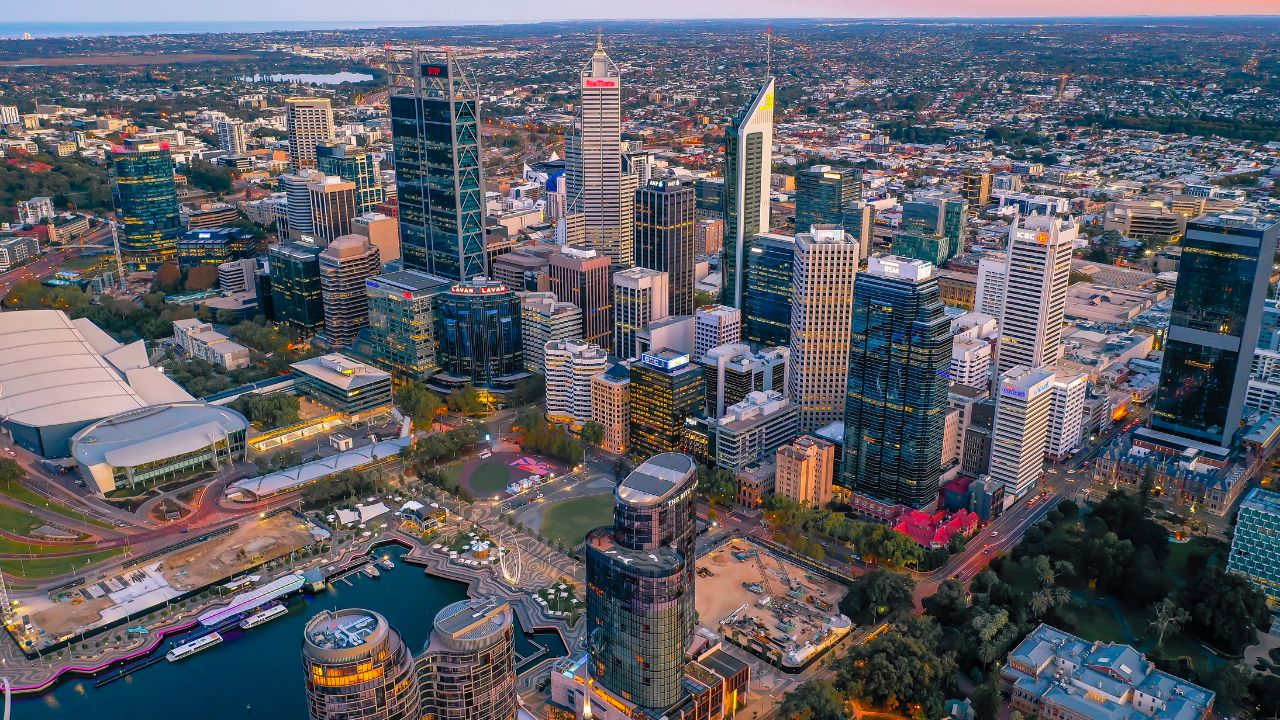
According to KPMG’s latest Residential Property Outlook, Perth will lead the nation with house prices predicted to increase by nearly 13 per cent over the next 12 months, significantly outpacing earlier forecasts.
Brisbane and Darwin are also expected to see double-digit growth, while Adelaide is forecast to experience gains exceeding eight per cent.
KPMG chief economist Dr Brendan Rynne said the market’s strength through the latter half of last year was unexpected, particularly given persistent affordability challenges.
“The strong momentum in the first half of 2025 should have moderated as affordability pressures continued to spook buyers,” Dr Rynne said.
“But instead, the second half of the year accelerated growth further, especially in already overheated cities like Perth and Brisbane, supported by the expanded five per cent deposit scheme.”
Entry-level market demand remains particularly resilient despite ongoing supply constraints, with first-home buyers driving significant competition at the affordable end of the market.
Dr Rynne said that despite insufficient housing construction, buyers in high-growth cities are willing to pay premium prices beyond what supply shortages would typically justify.
Recent price data confirms that buyer behaviour has remained largely unchanged despite renewed concerns about potential interest rate increases.
National house prices continued to climb through January, with both housing and unit values rising.
Ray White Group chief economist Nerida Conisbee said the market continues to show strength despite changing rate expectations.
“Australia’s housing market continued to push higher in January, with national house prices rising to $973,000 and unit prices to $746,000,” Ms Conisbee said.
“What stands out is that higher rate expectations do not yet appear to have been priced into the market.”
Price growth has remained broad-based throughout summer, suggesting buyers are still transacting as though borrowing costs will remain steady.
This contrasts with early last year, when anticipated rate cuts began influencing buyer behaviour well before any actual changes occurred.
The same markets highlighted by KPMG continue to lead the cycle, with Perth and Darwin recording annual house price growth approaching 20 per cent.
Brisbane maintains strong momentum amid tight supply conditions.
“In these markets, demand is still absorbing very limited stock,” Ms Conisbee said.
“Even in Sydney, Melbourne and Canberra, where growth is slower, prices are still edging higher, with no broad-based declines evident.”
Unit prices are expected to follow a similar trajectory, with national apartment values forecast to increase by approximately 7.1 per cent in 2026.
Affordability pressures will continue to drive demand for higher-density housing, particularly in capital cities where detached homes are increasingly unaffordable.
Rental prices are also projected to rise by around 3.5 per cent across 2026 and 2027, remaining above the long-term average as population growth continues to outpace housing delivery.
While both economists acknowledged that a future rate increase would likely moderate market activity, the current imbalance between supply and demand means any slowdown would more likely result in softer growth rather than price declines.
“There are still very few homes available for sale, and new construction continues to fall well short of what is needed,” Ms Conisbee said.
“Even if higher rates reduce buyer numbers, the market would remain tight.
“For now, prices are still rising, even as the interest rate outlook becomes more challenging.”